
National Human Rights Commission Calls for a Comprehensive Legal Framework to Protect Internally Displaced Persons and Ensure Safe and Dignified Solutions
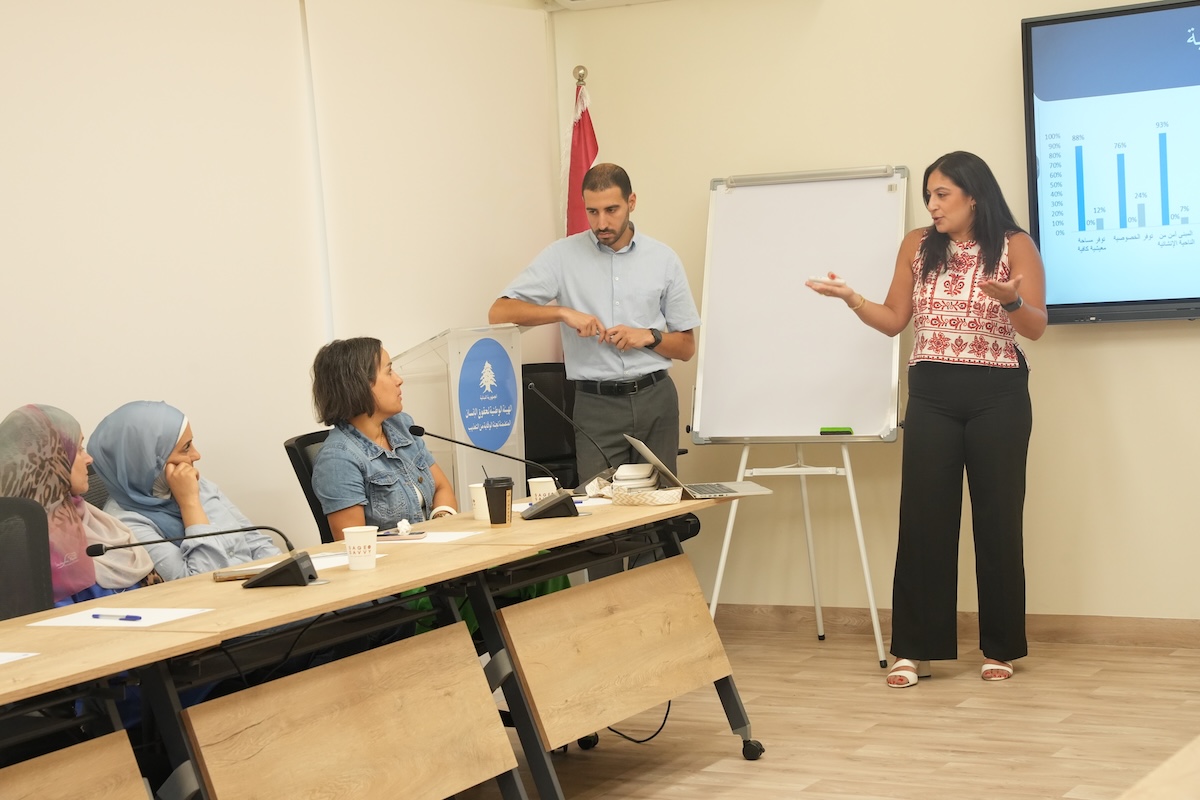
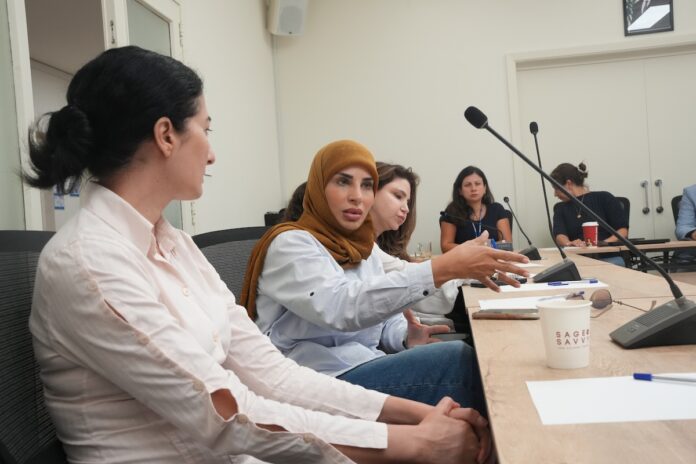
The National Human Rights Commission, including the Committee for the Prevention of Torture, organized the second specialized training seminar entitled “Shelters: Rights and Humanity” at its headquarters in Beirut. The seminar was held as part of the United Nations Development Programme-funded project to promote and protect the rights of internally displaced persons in Lebanon.
The seminar sought to strengthen the capacity of shelter staff to understand the rights of internally displaced persons and the mechanisms available for their protection. It also aimed to translate international and national law and relevant standards into practical tools for managing shelters, providing services, monitoring risks and making everyday decisions affecting displaced persons’ dignity, safety and rights.
Participants included representatives of the Ministry of Social Affairs and its centres across several Lebanese regions, as well as social workers, coordinators, project managers and representatives of local and international institutions and organizations involved in shelter management and the provision of humanitarian and social services, including Oxfam and Samidoun.
The Commission’s project team, comprising Project Coordinator Nicole Ghanem and research team members Aeda Al Mahmoud, Stephanie AboulHosn, Palig Taslakian, Michelle El Kawak, Vanessa Kallas, Zein Ayoub, Ahmad Al-Sayyed Mortada, and Lynn Hneine, presented the monitoring methodology and field findings and discussed their legal and human rights implications with the participants.
Monitoring of 122 Shelters Accommodating 3,547 Families
Discussions drew on the findings of the Commission’s shelter-monitoring programme, which assessed 122 collective shelters across several governorates between 15 June and 31 July 2026. The assessment covered shelter management and conditions; water, sanitation and hygiene; food security; health; protection; human rights; referral pathways; future housing risks; and priority needs.
The assessed shelters accommodated 3,547 families. Monitoring teams recorded 2,302 children, 609 older persons and 141 persons with disabilities among their residents, underscoring the need for a response that takes account of differing needs and risks associated with age, gender and disability.
The findings identified positive practices that should be built upon and institutionalized. At the same time, the monitoring documented recurring gaps requiring urgent action. These included the near-total absence of emergency exits in approximately two-thirds of the shelters, inadequate firefighting equipment, and the lack of accessible designs and facilities for persons with disabilities in more than half of the centres. Measures to prevent sexual exploitation and abuse were also limited, while staff training on protection remained inadequate.
The findings further revealed a gap between the formal availability of certain services and displaced persons’ ability to access them in practice. Although medical referral pathways were documented in 86.5% of shelters, 41.8% of individuals identified as needing referrals did not receive the required service, and successful completion was documented for only a limited proportion of referrals.
Regular food assistance was available in 68.7% of shelters, while household-level food insecurity was recorded in 49.3% and inadequate dietary diversity in 44.6%.
The Commission emphasized that the mere existence of a service is insufficient to consider a right fulfilled unless that service is appropriate, genuinely accessible and available to all internally displaced persons safely, with dignity and without discrimination.
From Documenting Conditions to Institutional Reform
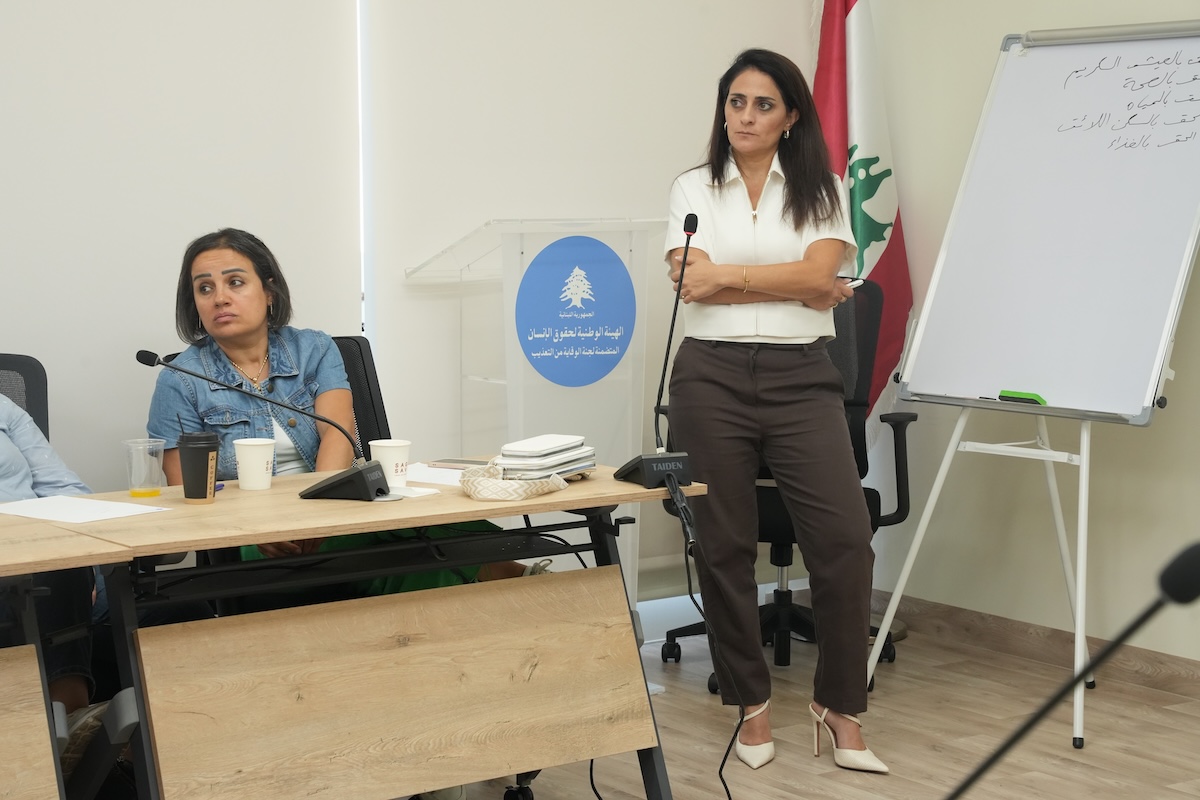
The training programme was structured around three interconnected sessions. The first, entitled “Shelter Monitoring Findings: The Human Rights Situation and Field-Level Challenges,” examined the Commission’s monitoring methodology, the principal findings from field visits, and the challenges facing internally displaced persons and shelter staff.
The second session, “The Legal Framework for Protecting the Rights of Internally Displaced Persons: An Analysis of Monitoring Findings in Light of International and National Standards,” focused on analysing field findings through the lens of international human rights law, international humanitarian law, the United Nations Guiding Principles on Internal Displacement, the Lebanese Constitution and national legislation.
The third session, entitled “From Monitoring to Impact: Recommendations, Institutional Reform and Strengthening a Human Rights-Based Response,” addressed the practical measures required to remedy identified gaps, clarify responsibilities, strengthen coordination and translate monitoring findings into actionable recommendations, policies and procedures.
This sequence reflected the Commission’s methodology: moving from documenting facts and conditions on the ground to identifying the rights affected and assessing whether practices comply with legal obligations, and ultimately formulating measures aimed at institutional reform and building a more effective and sustainable response.
Gerges: A Comprehensive National Law on Internal Displacement Is Needed
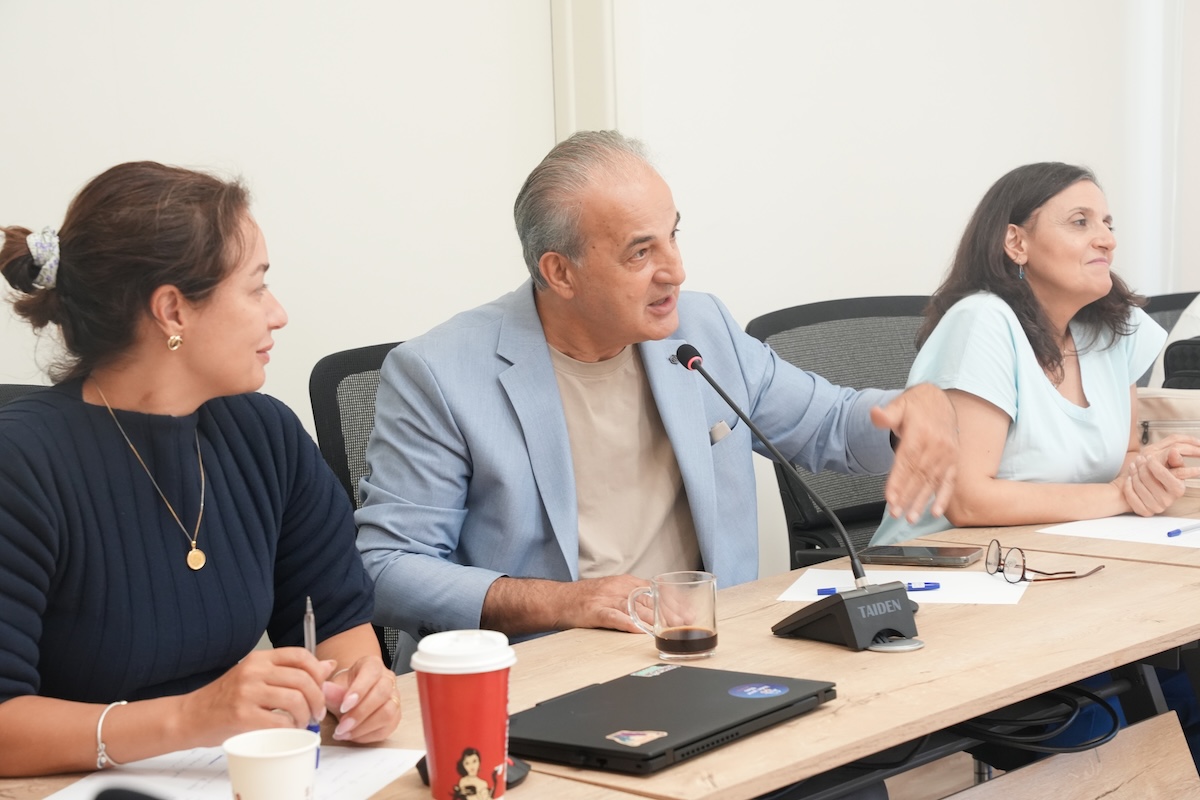
The President of the National Human Rights Commission, Dr Fadi Gerges, opened the seminar by emphasizing the Commission’s particular concern that any national legislation addressing internal displacement and internally displaced persons should incorporate relevant international standards, foremost among them the United Nations Guiding Principles on Internal Displacement.
He explained that the Guiding Principles define internally displaced persons as persons or groups of persons who have been forced or obliged to flee or leave their homes or places of habitual residence, particularly as a result of, or in order to avoid, the effects of armed conflict, situations of generalized violence, human rights violations, or natural or human-made disasters, and who have not crossed an internationally recognized state border.
Gerges stated that the proposed national legislation should not be limited to defining internally displaced persons or regulating emergency responses. Rather, it should establish a comprehensive framework encompassing the prevention of arbitrary displacement; the protection and assistance of internally displaced persons throughout all stages of displacement; and their non-discriminatory access to adequate shelter, food, water, healthcare, education, employment, social protection and personal documentation.
He added that the law should clearly define the responsibilities of ministries, public administrations, municipalities and humanitarian actors; establish effective coordination and accountability mechanisms; and guarantee internally displaced persons access to information, participation in decisions affecting their lives, access to confidential and accessible complaints mechanisms, and effective remedies.
He stressed the need to pay particular attention to children, women, older persons, persons with disabilities, missing persons and their families. He also emphasized the importance of protecting internally displaced persons’ housing, land and property rights and ensuring that access to fundamental rights and services is not made conditional on their place of registration, nationality, affiliation or social status.
State Responsibility Continues until Durable Solutions Are Achieved
Gerges affirmed that the state’s responsibility does not end when the emergency subsides or shelters close. It continues until durable, safe and dignified solutions are achieved, whether through voluntary return to areas of origin, local integration in areas of displacement or settlement elsewhere in the country.
He emphasized that these options must be based on internally displaced persons’ free and informed choices and implemented under conditions guaranteeing safety, dignity and sustainability. No one should be coerced, discriminated against or pressured to return to areas that remain unsafe or lack the basic conditions necessary for a dignified life.
The seminar concluded by identifying the adoption of a national legal framework on internal displacement as a legislative priority. It also called for binding standards governing the management and safety of shelters; accessibility for persons with disabilities; stronger health referral mechanisms and follow-up until beneficiaries receive care; effective measures to prevent sexual exploitation and abuse; confidential and safe complaints mechanisms; expanded mental health and psychosocial support services; and continuity of education for displaced children.
The Commission emphasized that the objective is not to build an entirely new response from the ground up, but to expand, standardize and transform existing good practices into binding national standards supported by legislation, resources, coordination and accountability. This would ensure that the protection of internally displaced persons is grounded in rights rather than relying solely on temporary assistance.
The Commission also renewed its commitment to independently monitoring the situation of internally displaced persons, particularly groups exposed to heightened risks, throughout the operation of shelters and during their consolidation or closure. It further committed to working with public authorities, the United Nations Development Programme, international partners and civil society to translate monitoring findings into reforms and public policies that guarantee every internally displaced person the rights to protection, dignity and a durable and safe solution.
هذه المقالة متاحة أيضًا بـ: العربية (Arabic) Français (French)

