
The National Human Rights Commission, including the Committee for the Prevention of Torture (NHRC-CPT), met today at its Beirut premises with a delegation from the United Nations Security Council Counter-Terrorism Committee Executive Directorate (CTED). Discussions focused on human rights safeguards in counter-terrorism measures, detention conditions, women’s and children’s rights, and the prevention of violent extremism.
The Commission was represented by its President, Dr Fadi Gerges; Commissioner for International Relations and Media, Bassam Al Kantar; and Secretary of the Commission, lawyer Dr Rana Al Jamal. TThe CTED delegation comprised A.E. Seif El-Dawla, Chief of the Europe, Middle East and Central Asia Section; Andrew Begg, Legal Officer; and Angela Vinasco, Legal Officer.
The meeting formed part of CTED’s assessment visit to Lebanon from 12 to 16 October. Through these visits, CTED assesses Member States’ implementation of relevant Security Council resolutions and engages with independent national human rights institutions to inform its findings.
Welcoming the delegation, Dr Gerges highlighted the importance of dialogue between CTED and the Commission. He stressed that effective action against terrorism must uphold human dignity, protect fundamental rights and strengthen public trust in state institutions. He also outlined the Commission’s independent mandate under Law No. 62/2016, including monitoring violations, receiving complaints, advising on legislation and policies, and preventing torture through independent oversight of places of detention.
Commissioner Al Kantar presented the Commission’s findings and priorities, drawing on its annual reporting, detention monitoring and published recommendations. His presentation addressed safeguards during arrest and questioning, access to lawyers and medical examinations, family notification, prompt judicial review, and independent investigation of allegations of torture and ill-treatment.
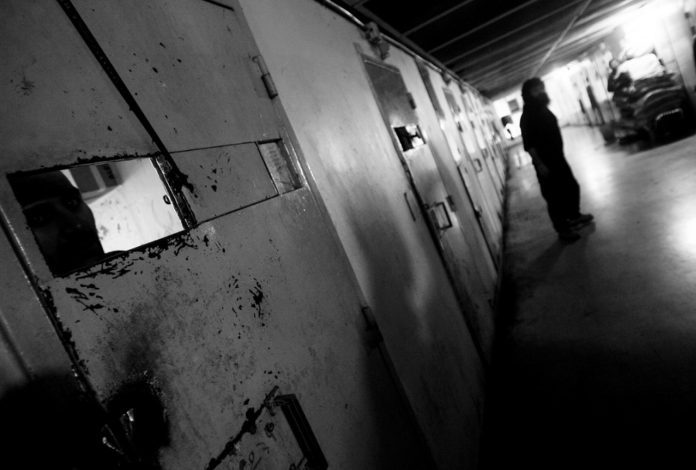
The presentation highlighted persistent concerns about overcrowding, inadequate healthcare, prolonged pre-trial detention and obstacles to attending court hearings. It underlined the need to ensure that the Committee for the Prevention of Torture can exercise its legal powers to access all places of deprivation of liberty, conduct confidential interviews and follow up on recommendations.
The Commission also highlighted the specific needs of women deprived of liberty, including appropriate healthcare, confidential complaints mechanisms, protection from violence and support for mothers and their children. It stressed that responsibility must be assessed individually and that family relationships with suspects must never substitute for evidence.
On preventing violent extremism, the presentation emphasised humane detention conditions, education, vocational opportunities, mental health support and assistance with reintegration after release. Prevention measures should respond to individual needs and demonstrated risks, while avoiding discrimination or assumptions based solely on religion, nationality or political opinion.
Regarding measures to counter terrorism financing, the Commission called for clear legal grounds, independent oversight and effective procedures to challenge restrictions or correct mistaken identity. It also highlighted the importance of protecting lawful humanitarian assistance, civil society activities and access to essential services.
The presentation further addressed privacy and freedom of expression in digital prevention measures, drawing on the Commission’s work on children’s rights in the digital environment.
The Commission called for practical follow-up to the assessment, including clear recommendations, defined responsibilities and support for stronger safeguards, independent monitoring and accountability.
هذه المقالة متاحة أيضًا بـ:

