
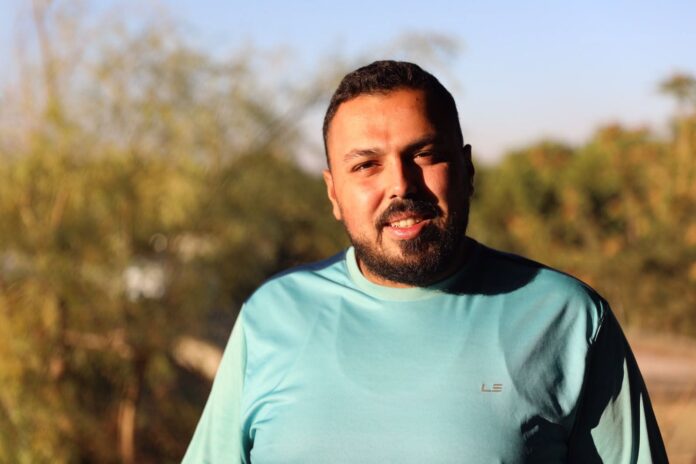
His family seeks to establish his fate and determine whether he may be held by Israel after searching the rubble of the house without finding him
The National Human Rights Commission, including the Committee for the Prevention of Torture, announced that its database now contains 40 cases of prisoners, detainees and missing persons in the context of the conflict with Israel, following a complaint from the family of Lebanese national Ali Afif Nahle concerning his disappearance in the southern Lebanese town of Qantara. His identity and the details of his family’s account are being published with their consent.
The family said it lost contact with Ali on 26 November 2024, on the eve of the cessation of hostilities, when he was in a house near Qantara’s town square. According to the family, three young men were at the house that day. One left before the airstrike; the circumstances and fate of the others remain among the matters the Commission is seeking to verify.
The family said it searched for Ali at the site after the airstrike, using a bulldozer to clear and search the rubble, but found nothing that established his fate. It reported finding a sweater approximately 100 metres from the site of the strike. The house at the site was a single-storey building of approximately 150 square metres.
On 24 July 2025, the family held a memorial service for Ali and described him in the announcement as “missing.” The Commission stressed that the memorial service does not, in itself, establish that he died or determine the circumstances of his disappearance.
The family asked the Commission to establish Ali’s fate and investigate the possibility that he is being held by Israeli forces. The information provided so far, however, includes no direct witness account of his arrest or transfer, and no evidence confirming either that he is in detention or that he has died. The Commission has therefore registered his case as an open missing-person report under investigation. The 40 registered cases differ in the facts available and the extent to which they have been verified; the figure does not mean that all 40 people are detained.
The Commission will work to establish Ali’s last confirmed sighting, interview those who were with him or saw him in his final known hours, and document the location of the house and the results of the search through its rubble. In coordination with the family and relevant authorities, it will also check earlier reports, ambulance and hospital records, death records, and any other information that may help establish his fate or whereabouts. If credible indications of detention emerge, it will consider seeking specific information through the appropriate channels about his location, health and ability to contact his family and the International Committee of the Red Cross.
The Commission affirmed that Ali’s family, like all families of missing persons, has a right to know the fate of their loved ones. This requires continued investigation of all possibilities on the basis of evidence, information-sharing among the relevant authorities, and timely communication of any verified developments to families.
With the addition of Ali Afif Nahle’s case, the number of missing persons registered in the Commission’s database has risen to five, out of the 40 cases involving prisoners, detainees and missing persons in the context of the conflict with Israel. The Commission is also following up on 41 other cases about which it has received information but has not yet added to its database because it has not obtained the informed consent of the families concerned. It continues to contact those families to explain the purpose of registration, how their information would be used and the safeguards for confidentiality, so they can freely decide whether to have the cases registered and their information shared.
هذه المقالة متاحة أيضًا بـ:

