


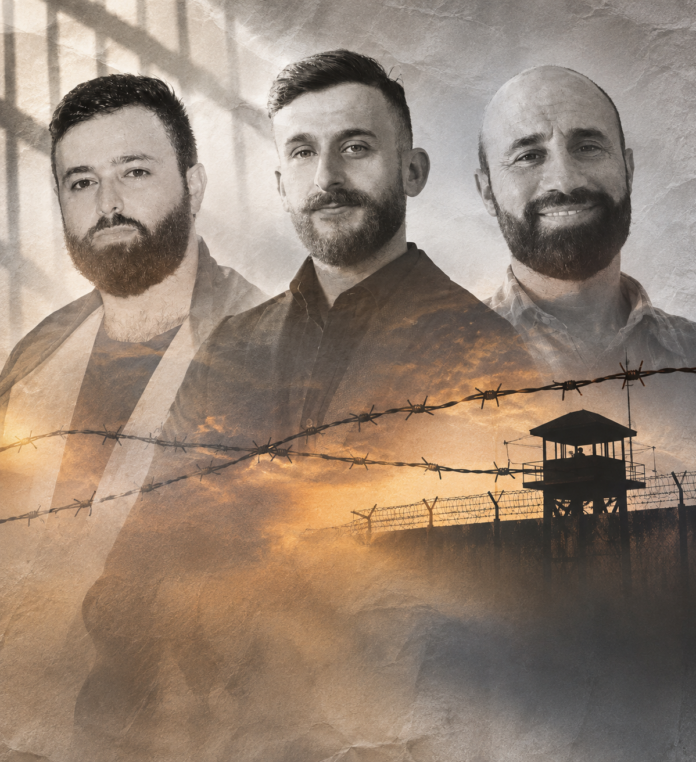
The International Humanitarian Law Committee of the National Human Rights Commission added four cases to its register of prisoners, detainees and missing persons in the context of the international armed conflict between Lebanon and Israel, bringing the total number of recorded cases from 40 to 44. The new cases are those of Reda Mustafa Hajou, Hussein Ali Salameh and Mohammad Ibrahim Karneib, who, according to the available information, fell into the hands of Israeli forces during military operations, and Fadi Ahmad Abdel Aal, who was apprehended at his home during an Israeli incursion into Halta.[1] The Commission is separately following up on 41 reports of missing persons that it has yet to include in the total, pending the informed consent of the families concerned.
On 19 September 2026, Hajou’s family was informed that he was alive and detained in Israel, after he had been listed as missing for nearly two years. Information on Salameh’s place of detention requires official confirmation. Reports that Karneib was injured when captured warrant verification of his whereabouts and of the care he received. In Abdel Aal’s case, his removal to an unknown location calls for disclosure of where he was taken and the legal basis for any subsequent detention. Each person’s legal status remains subject to individual verification. The applicability of the law of occupation to Halta depends on the extent to which the town was under the effective authority of Israeli forces at the time.
The Commission calls on the Israeli authorities to officially disclose the fate and whereabouts of the persons concerned, inform their families, allow the International Committee of the Red Cross (ICRC) to visit detainees, and guarantee medical care and the right to challenge the lawfulness of detention. It also calls for the preservation of records and evidence and for investigations into possible violations. It urges the Lebanese government to follow up on each case and support the families, and calls on the United Nations, the Human Rights Council and the Assessment Mission to include these cases in their documentation and follow-up work within their respective mandates.
Scope of Documentation and Verification Methodology
This report supplements the Commission’s documentation published on 15 September 2026, which covered 39 cases, and its update of 23 September 2026, which raised the total to 40 after it recorded a report that Ali Afif Nahle had gone missing in Qantara. Nahle’s case was recorded as an open missing-person report pending verification. With the four additions covered in this report, the Commission’s database now contains 44 cases.[2]
The report distinguishes between the date of capture, the date of the last direct sighting or proof of life, and the date on which the family or the Association received the information. The Commission documented and published the names after obtaining the free, prior and informed consent of the families concerned, while protecting the identity of witnesses and safeguarding health and family data. Inclusion in the tally reflects a classification for documentation purposes based on the available information. Each person’s legal status and current whereabouts are assessed individually.
Updated Case Totals
| Category | Before the Four Additions | Cases Added | Updated Total |
| Fighters who fell into the hands of Israeli forces | 14 | 3 | 17 |
| Persons who were performing medical duties | 2 | 0 | 2 |
| Civilians detained in the context of military operations or occupation | 17 | 1 | 18 |
| Cases linked to cross-border special or intelligence operations | 2 | 0 | 2 |
| Missing persons | 5 | 0 | 5 |
| Total | 40 | 4 | 44 |
The Commission is following up on 41 reports of missing persons about whom it has received preliminary information. It has yet to enter these cases in its database because it has yet to obtain the informed consent of the families concerned. The Commission remains in contact with the families to explain why it registers cases, how it uses and shares information, and what confidentiality safeguards apply, so that each family can make its decision freely.
Documentation Findings by Case
Reda Mustafa Hajou | Umm al-Tout, 1 October 2024
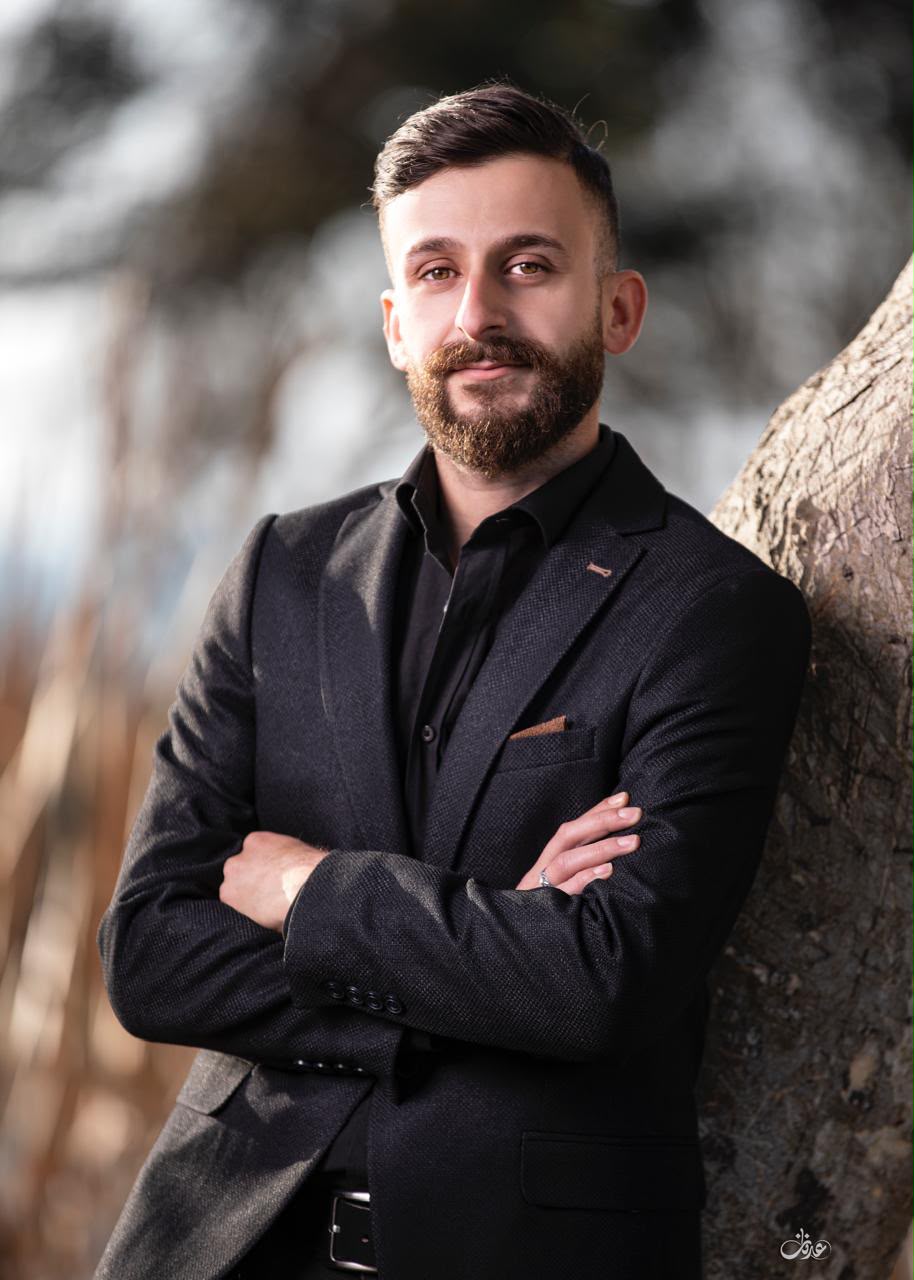
Reda Mustafa Hajou is from Bazourieh in Tyre District and was born in Tyre on 4 November 1996. The Lebanese Association for Prisoners and Released Prisoners describes Hajou as a volunteer fighter and reports that Israeli forces captured him in Umm al-Tout on 1 October 2024 after he was injured. It says that a released Palestinian prisoner recognised Hajou from his photograph.[3]
On 19 September 2026, Hajou’s family was informed that he was alive and being held in Israeli prisons. He had been listed as missing since the 2024 war.[4]
Legal Assessment
On the available information, the National Human Rights Commission provisionally classifies Reda Mustafa Hajou among persons who fell into the hands of Israeli forces while resisting the invasion. It calls for him to receive the protections afforded to prisoners of war pending a determination of his legal status. His final classification depends on individual verification of the nature of his role and whether he falls within a category listed in Article 4 of the Third Geneva Convention. In an international armed conflict, if a person falls into enemy hands after committing a belligerent act and doubt arises as to whether that person belongs to one of those categories, the person must benefit from the Convention’s protection until a competent tribunal determines their status, pursuant to Article 5.[5]
From the moment Hajou fell into their hands, Israeli forces were required to protect him as a person hors de combat, treat him humanely and provide the medical care his injury required, regardless of his legal status. Attacks, torture, cruel treatment, humiliation and reprisals against him are prohibited. The Third Geneva Convention also prohibits coercion of a prisoner of war during questioning and requires protection from public curiosity.[6]
Hajou is presumed innocent of any criminal charge until his individual responsibility is established in a trial before a competent, independent and impartial tribunal that guarantees his right to defend himself and to legal counsel. Alleged membership in an armed group or participation in combat is insufficient to establish responsibility for a war crime. If his combatant status in an international armed conflict is established, he is immune from prosecution for lawful participation in hostilities alone.[7]
The nearly two years during which Hajou was listed as missing warrant verification of when his detention was registered, when the Israeli authorities disclosed his detention and whereabouts, and whether they allowed him to contact his family. Customary international humanitarian law requires parties to the conflict to record the personal details of persons deprived of their liberty, take all feasible measures to account for missing persons and provide their families with any information they have. Under the Third Geneva Convention, a prisoner of war must be allowed to send a capture card to their family and to the Central Prisoners of War Agency. Their details must be transmitted through the relevant information bureau, and ICRC delegates must be allowed to visit and interview them without witnesses, in accordance with the Convention.[8]
This period raises a suspicion of enforced disappearance that warrants investigation. If it is established that the Israeli authorities deprived Hajou of his liberty and then refused to acknowledge his detention or concealed his fate or whereabouts, placing him outside the protection of the law, this would constitute enforced disappearance for the period during which those elements were present. An investigation into that period remains necessary following the report that his family was informed on 19 September 2026 that he was alive and detained in Israel.[9]
The Commission calls on the Israeli authorities to disclose immediately and officially where Reda Mustafa Hajou is detained, his legal and health status, and the legal basis for his continued detention. It calls on them to allow the ICRC to visit and interview him in private, give an independent doctor and a lawyer access to him, and ensure regular contact with his family. It also calls for an independent investigation into the circumstances of his capture and detention during the period when he was listed as missing, including the circumstances of his interrogation and verification of any reports that he was filmed or photographed or that images of him were published. If his prisoner-of-war status is established, the Commission calls for his release and repatriation without delay after the cessation of active hostilities, subject to Article 119 concerning persons against whom criminal proceedings are pending or who are serving a sentence.[10]
Hussein Ali Salameh | Bint Jbeil, 14 April 2026
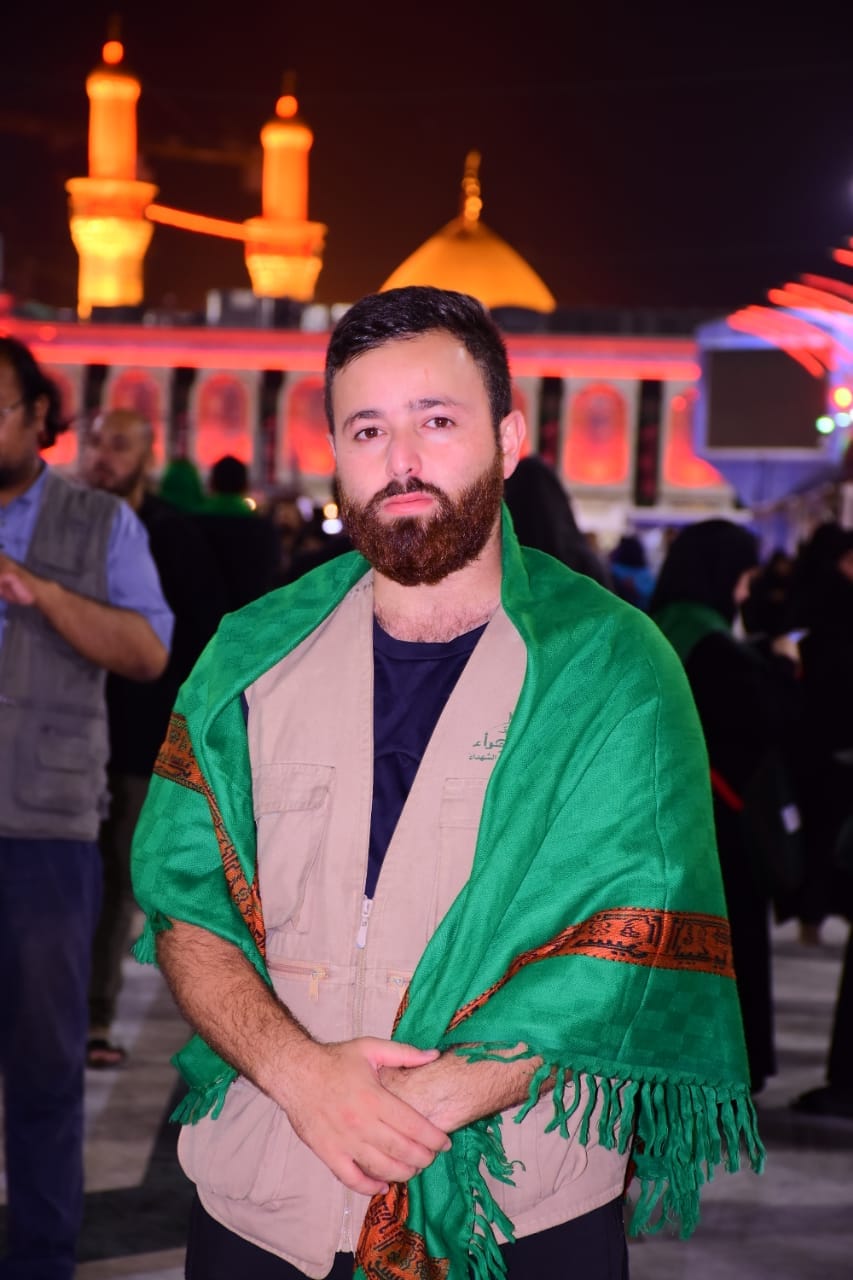
Hussein Ali Salameh is from Bint Jbeil and was born in Tyre on 2 October 1996. The Lebanese Association for Prisoners and Released Prisoners describes him as a volunteer fighter and reports that he fell into the hands of Israeli forces in the Bint Jbeil area on 14 April 2026. It says it received information on 24 September 2026 through Palestinian prisoners indicating that he was being held in Ganot Prison.[11]
On 14 April 2026, the Israeli military published a statement in Hebrew accompanied by video footage. It said that three people had surrendered to its forces in Bint Jbeil after a clash the previous day, 13 April, and had been transferred to Unit 504 for questioning. Israel Hayom covered the incident. The media coverage draws on the military account, which gave no names for the three people.[12]
Legal Assessment
On the available information, the National Human Rights Commission provisionally classifies Hussein Ali Salameh among persons whom preliminary documentation indicates fell into the hands of Israeli forces while taking part in resistance to the invasion. This information warrants verification of the circumstances of his capture and an individual determination of his legal status.
If it is established that Salameh fell into the hands of Israeli forces after committing a belligerent act in an international armed conflict, and doubt arises as to whether he falls within a category listed in Article 4 of the Third Geneva Convention, he must receive the Convention’s protection from the moment of capture until a competent tribunal determines his status, pursuant to Article 5. Determining his status requires verification of the nature of his role, the relationship between the force or group with which he is alleged to be associated and a party to the conflict, and whether the conditions for the relevant category are met. The Association’s description of him as a “volunteer fighter” and the Israeli military’s characterisation of the three people leave the applicability of Article 4 to him unresolved.[13]
Salameh had to be protected from attack as a person hors de combat, treated humanely and protected from torture and cruel or degrading treatment, regardless of his legal status. If the Third Geneva Convention applies to him, Article 17 prohibits physical or mental torture or coercion to obtain information, and Article 13 requires protection from insults and public curiosity. Assessing the footage published by the Israeli military first requires verifying who appears in it, then examining whether they can be identified, the circumstances in which they were filmed and whether publication exposed them to humiliation or public curiosity. If Salameh is confirmed to be among those transferred to Unit 504, the circumstances of his interrogation and compliance with the applicable safeguards must be verified.[14]
Salameh’s personal details had to be recorded and he had to be allowed to correspond with his family. Verification of the information concerning Ganot Prison requires determining whether and when he was transferred there and whether he remains in custody there. If the Third Geneva Convention applies to him, he must be allowed to send a capture card to his family and to the Central Prisoners of War Agency. His details must be transmitted through the relevant information bureau, and ICRC delegates must be allowed to visit and interview him without witnesses, in accordance with the Convention.[15]
In the absence of official confirmation, it is necessary to verify when Salameh’s detention was registered and whether the Israeli authorities acknowledged it and disclosed his whereabouts. If it is established that the authorities deprived him of his liberty and then refused to acknowledge his detention or concealed his fate or whereabouts, placing him outside the protection of the law, this would constitute enforced disappearance for the period during which those elements were present.[16]
The Commission calls on the Israeli authorities to confirm officially and urgently whether they are holding Hussein Ali Salameh. If his detention is confirmed, it calls on them to disclose his whereabouts, health and legal status, and the basis for his continued detention, to enable him to contact his family and obtain legal counsel, and to grant the ICRC access to him. The Commission also calls on the authorities to verify whether he was involved in the Bint Jbeil incident announced by the Israeli military, preserve capture, transfer and interrogation records and original recordings, and investigate any allegation of coercion or ill-treatment. If his prisoner-of-war status is established, the rule requiring release and repatriation without delay after the cessation of active hostilities applies, subject to Article 119 of the Third Geneva Convention concerning pending criminal proceedings or sentences still being served.[17]
Mohammad Ibrahim Karneib | Bint Jbeil, 14 April 2026
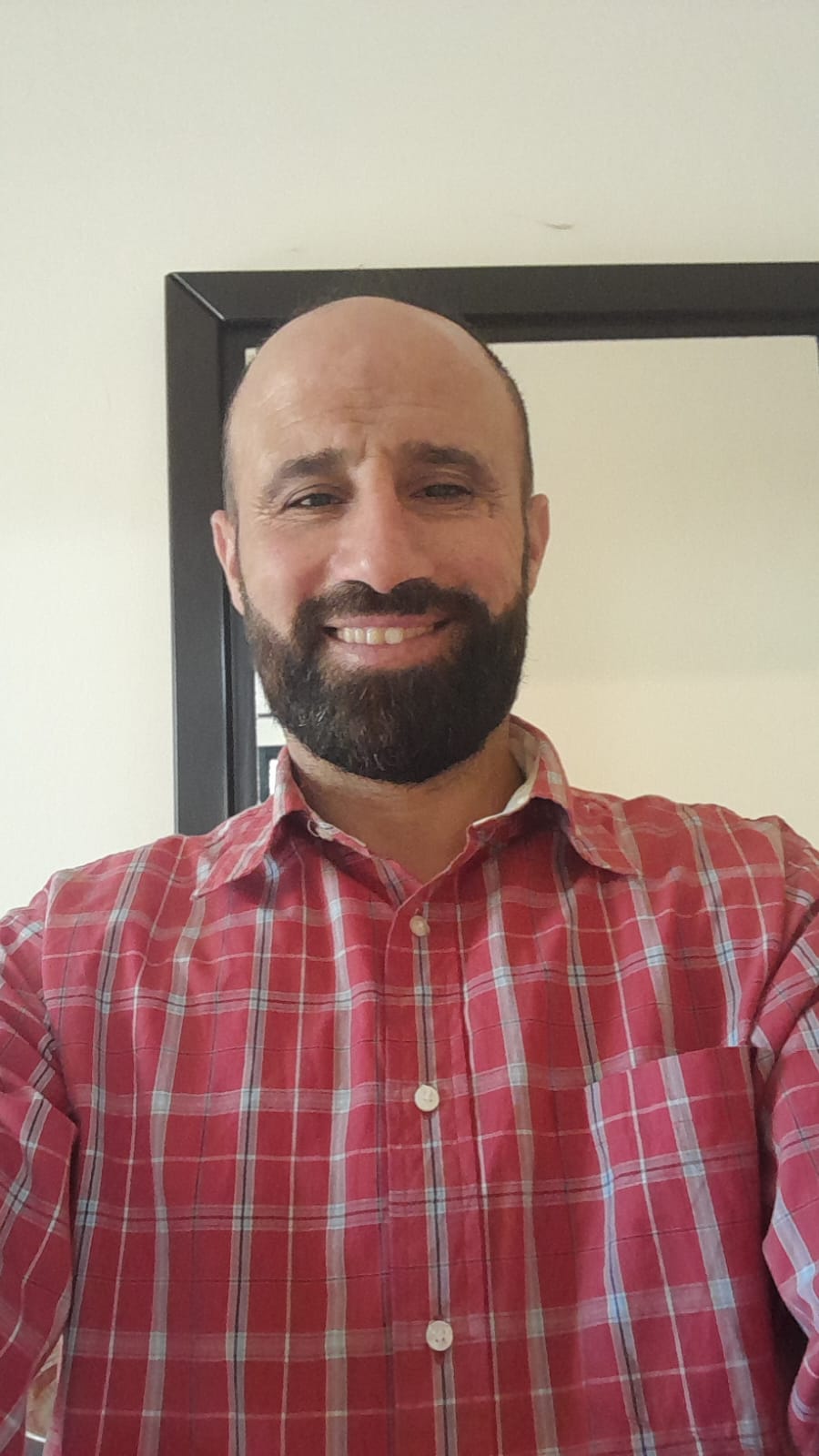
Mohammad Ibrahim Karneib is from Maroun al-Ras, where he was born on 8 April 1978. The Lebanese Association for Prisoners and Released Prisoners describes him as a volunteer fighter who fell into the hands of Israeli forces in the Bint Jbeil area on 14 April 2026 with a foot injury. It says that Lebanese individuals released in September 2026 provided information about him.
The Commission’s International Humanitarian Law Committee continues to take individual statements from the released detainees and to establish whether they saw Karneib in person and where, and whether they saw his injury or knew whether he received treatment. The reported injury warrants requesting examination, treatment and medical transfer records to help trace his movements since his capture by Israeli forces.[18]
Legal Assessment
On the available information, the National Human Rights Commission provisionally classifies Mohammad Ibrahim Karneib among persons whom preliminary documentation indicates fell into the hands of Israeli forces while taking part in resistance to the invasion. Determining his legal status requires verifying the nature of his role, the circumstances of his capture and whether he falls within a category listed in Article 4 of the Third Geneva Convention. If it is established that he fell into the hands of Israeli forces after committing a belligerent act in an international armed conflict, and doubt arises as to whether he falls within one of those categories, he must receive the protection of the Convention until a competent tribunal determines his legal status, pursuant to Article 5.[19]
From the moment Karneib fell into their hands, Israeli forces were required to treat him humanely and provide the medical care his condition required to the fullest extent practicable and with the least possible delay, regardless of his legal status. Priority of treatment must be determined on medical grounds alone.
If the Third Geneva Convention applies to him, he must be admitted to a military or civilian medical facility capable of providing the necessary treatment if he has a serious illness or his condition requires specialist treatment, surgery or hospital care. Assessing whether Israeli forces complied with these obligations requires verifying the nature of his injury, when he first received a medical examination, what treatment he received and whether treatment was delayed or interrupted, including during transfers between places of detention.[20]
Statements from released detainees are compared with capture, detention and transfer records and with medical examination and treatment records to establish where he was last seen and trace transfers between places of detention or medical facilities. Customary international humanitarian law requires parties to the conflict to record the personal details of persons deprived of their liberty, take all feasible measures to account for missing persons and provide their families with any information they have. If the Third Geneva Convention applies, he must also be allowed to send a capture card indicating his address and state of health. His details must be transmitted through the relevant information bureau, and ICRC delegates must be allowed to visit and interview him without witnesses, in accordance with the Convention.[21]
The Commission calls on the Israeli authorities to confirm officially whether they detained Mohammad Ibrahim Karneib and to disclose immediately his current whereabouts, health and legal status. It calls on them to preserve capture, transfer, medical examination and treatment records and make them available for verification with due regard for medical confidentiality. It further calls on them to enable him to contact his family and obtain legal counsel, to allow an independent doctor to examine him and to allow the ICRC to visit him. If evidence emerges that the treatment required by his injury was delayed or withheld, the Commission calls for an independent investigation.
Fadi Ahmad Abdel Aal | Halta, 16 September 2026
The Commission documented the apprehension of Fadi Ahmad Abdel Aal by Israeli forces at his home in Halta at dawn on 16 September 2026, after they assembled residents at around 5 a.m. and questioned several young men from the town. The same day, Lebanese media reported his arrest, gave his full name and said that Israeli forces had taken him to an unknown location.[22]
Legal Assessment
The National Human Rights Commission, including the Committee for the Prevention of Torture, provisionally classifies his case among civilians whom the available information indicates Israeli forces detained during military operations in Lebanon.
Abdel Aal was apprehended in the context of the international armed conflict between Lebanon and Israel, during a ground incursion by Israeli forces into Halta at dawn on 16 September 2026. The town lies outside the fully closed “security zone” and had been subject to Israeli control by fire, repeated incursions and field operations.
The incursion, the gathering and questioning of residents and Abdel Aal’s apprehension show that Israeli forces were able to impose their authority during the operation. Under Article 42 of the Hague Regulations, the applicability of the law of occupation depends on whether that authority was actually established in Halta and could be exercised by Israeli forces in place of the Lebanese authorities at the time. This is assessed in light of the scope and duration of control, the ability of Israeli forces to impose restrictions on entry to and exit from the town, and the extent to which Lebanese authorities could exercise their powers there. Control by fire and repeated incursions are relevant to that overall assessment.[23]
If Abdel Aal meets the criteria under Article 4 of the Fourth Geneva Convention, he benefits from the Convention’s protection from the moment he fell into the hands of Israeli forces, regardless of whether an occupation of Halta is established. That protection includes humane treatment, respect for his dignity and protection against violence and threats. The obligation of humane treatment applies regardless of his legal status.[24]
The Israeli authorities should state the reasons for Abdel Aal’s apprehension and the legal basis for any subsequent detention. If he remains detained, they should enable him to challenge the lawfulness of his detention before a court. If Halta is found to have been occupied at the time and his detention was a preventive security measure, Article 78 of the Fourth Geneva Convention permits his internment only for imperative reasons of security specific to his individual case. It requires a right of appeal, a decision on that appeal with the least possible delay and, if the decision is upheld, periodic review by a competent body, if possible every six months.[25]
Reports that Abdel Aal was taken to an unknown location require establishing where he was first taken and any places of detention to which he was subsequently transferred. If the law of occupation applies and Abdel Aal is a protected person, Article 49 of the Fourth Geneva Convention prohibits his forcible transfer from occupied territory to the territory of the occupying power or to any other country, subject to the narrow exception for evacuation under the conditions set out in the Article. In occupied territory, Article 76 requires that protected persons accused of offences be detained in the occupied country and, if convicted, serve their sentences there.[26]
Abdel Aal’s removal to an unknown location at the time of his apprehension warrants verification of what happened next, in particular whether the Israeli authorities refused to acknowledge his deprivation of liberty or concealed his fate or whereabouts, placing him outside the protection of the law. Assessing whether these elements are present requires identifying the authorities responsible for his apprehension, transfer and any subsequent detention, requesting relevant records, and documenting inquiries to the Israeli authorities and any responses. His family should be informed of verified information about his fate and whereabouts.[27]
Recommendations
1. To the Israeli Authorities
Disclose immediately the fate and whereabouts of the persons who fell into your hands. Provide an official, case-by-case response on the individuals in the Commission’s register, specifying each person’s date of apprehension, places of detention and transfer, health and legal status, and reasons for continued detention. Inform families directly of verified information, facilitate regular contact with them and transmit the relevant details to the appropriate information bureaux and the ICRC’s Central Tracing Agency, as applicable.
Grant access to detainees and ensure medical care. Allow the ICRC to visit detainees and interview them in private in accordance with the Geneva Conventions, and facilitate access to legal counsel and an independent doctor. Provide the medical care required by their condition without delay, particularly for Reda Mustafa Hajou and Mohammad Ibrahim Karneib in light of reports that they were injured when captured.
Determine each detainee’s legal status and review the lawfulness of detention. Ensure the protections of the Third Geneva Convention until a competent tribunal determines the person’s status where the conditions under Article 5 are met. Allow civilian detainees, including Fadi Ahmad Abdel Aal under the Commission’s provisional classification, to challenge the lawfulness of their detention before a court. Immediately release anyone whose detention lacks a legal basis, and release and repatriate prisoners of war without delay after the cessation of active hostilities, in accordance with the Convention.
2. To the Lebanese Government
Follow up on each case through diplomatic and humanitarian channels. Submit formal, case-specific requests for disclosure of the fate and whereabouts of the persons concerned, record the dates of requests and responses, and follow up with the United Nations and the ICRC within their respective mandates. Prioritise cases involving reports of injury or in which there has been no news of the person since apprehension.
Protect families and witnesses and preserve evidence. Provide legal assistance and psychosocial support to families, facilitate the giving of statements under safe and confidential conditions, and preserve records and visual material in accordance with procedures that allow their use in investigations.
Pursue accountability and redress. Refer information to the competent judicial authorities, facilitate the preservation and exchange of evidence subject to legal safeguards, and keep families informed of progress and of available avenues for seeking redress and reparation.
3. To the United Nations
Include the cases of prisoners, detainees and missing persons in United Nations follow-up on the conflict. Use good offices and available channels to seek case-specific responses concerning the fate and places of detention of the persons concerned, follow up on enabling family contact, and facilitate ICRC access to them.
Facilitate referrals to the relevant special procedures. Support families and the Commission in submitting information to the Working Group on Enforced or Involuntary Disappearances, the Working Group on Arbitrary Detention and the Special Rapporteur on torture, according to the facts of each case and each mechanism’s mandate. Protect sensitive data and take measures to prevent reprisals.
Support the search for missing persons and safe documentation. Upon request, provide technical assistance to the relevant Lebanese authorities and the Commission to verify reports, preserve records and evidence, and develop secure channels to receive statements from released detainees and witnesses and communicate reliable information to families.
4. To the Human Rights Council
Give these cases a distinct place in the Council’s discussions on Lebanon. Request a briefing from the High Commissioner on cases of deprivation of liberty and persons reported missing in the context of the conflict, including progress in clarifying their fate, enabling family contact and securing access to places of detention.
Call on the relevant authorities to cooperate with United Nations mechanisms. Urge the Israeli authorities to respond to requests concerning individual cases and grant access to relevant persons, places and records. Urge the Lebanese authorities to facilitate safe documentation and protect families, witnesses and people cooperating with United Nations mechanisms.
Follow up on the assessment findings and take appropriate action. Consider establishing an independent international investigative mechanism if the assessment identifies the need for a broader investigation, so that potential violations can be documented, evidence preserved and accountability efforts supported. Request periodic updates on implementation of the recommendations.
5. To the Assessment Mission Deployed to Lebanon by the United Nations High Commissioner for Human Rights
Include cases of capture, detention and disappearance in the assessment within the scope of the Mission’s mandate. Examine the cases of Hussein Ali Salameh, Mohammad Ibrahim Karneib and Fadi Ahmad Abdel Aal, and verify developments in the case of Reda Mustafa Hajou that fall within the Mission’s time frame. Draw on the facts of his capture in 2024 to understand the course of his detention and the period during which he was listed as missing.
Verify the course of each case and the sources of information. Interview released detainees, witnesses and families on a voluntary and confidential basis, distinguish direct observation from second-hand information, and compare statements with available records and visual material. Request medical examination, treatment and medical transfer records in the Hajou and Karneib cases. Verify information on Salameh’s place of detention and whether he was connected to the footage published about the Bint Jbeil incident. Establish where Abdel Aal was taken after his apprehension during the Halta incursion and the facts needed to assess the extent of effective control over the town at the time.
Seek official responses and identify unresolved issues in the report. Submit specific questions to the Israeli and Lebanese authorities, within their respective areas of competence, about facts and records that require verification. Set out what has been established, what remains under verification and how any limitations on access to evidence affected the findings, while protecting witnesses’ identities and the confidentiality of medical and family data.
[1] Lebanese Association for Prisoners and Released Prisoners, updated list, 6 November 2026, copy held in the records of the National Human Rights Commission.
[2] National Human Rights Commission, including the Committee for the Prevention of Torture, “Report on the Legal Status of Lebanese Prisoners, Detainees, Victims of Enforced Disappearance and Missing Persons Held by Israel”, 15 September 2026, https://nhrclb.org/archives/8449, and “Report of Ali Afif Nahle’s Disappearance and Update of the Total to 40”, 23 September 2026, https://nhrclb.org/archives/8597.
[3] Lebanese Association for Prisoners and Released Prisoners, updated list, 6 November 2026, copy held in the records of the National Human Rights Commission. The list is the source for information in the case file on Reda Mustafa Hajou’s status, the circumstances of his capture and his identification from a photograph by a released Palestinian prisoner.
[4] Ya Sour, “Report that Reda Mustafa Hajou’s family was informed that he was alive and detained”, 19 September 2026, https://www.yasour.org/755628.
[5] ICRC, Third Geneva Convention relative to the Treatment of Prisoners of War, 12 August 1949, Articles 4 and 5, https://ihl-databases.icrc.org/en/ihl-treaties/gciii-1949/article-4 and https://ihl-databases.icrc.org/en/ihl-treaties/gciii-1949/article-5.
[6] ICRC, Customary International Humanitarian Law Study, Rules 47, 87, 90 and 110, on the protection of persons hors de combat, humane treatment, the prohibition of torture and ill-treatment, and care for the wounded and sick, https://ihl-databases.icrc.org/en/customary-ihl/rules. See also Third Geneva Convention, Articles 13 and 17, https://ihl-databases.icrc.org/en/ihl-treaties/gciii-1949/article-13 and https://ihl-databases.icrc.org/en/ihl-treaties/gciii-1949/article-17.
[7] ICRC, Third Geneva Convention, Articles 84, 99 and 105, on the competent tribunal, trial guarantees and rights of defence, https://ihl-databases.icrc.org/en/ihl-treaties/gciii-1949. See also ICRC, “Prisoners of war: What you need to know”, on immunity from prosecution for lawful participation in hostilities, https://www.icrc.org/en/document/prisoners-war-what-you-need-know.
[8] ICRC, Customary International Humanitarian Law Study, Rules 117 and 123, https://ihl-databases.icrc.org/en/customary-ihl/v1/rule117 and https://ihl-databases.icrc.org/en/customary-ihl/v1/rule123. See also Third Geneva Convention, Articles 70, 71, 122, 123 and 126, https://ihl-databases.icrc.org/en/ihl-treaties/gciii-1949.
[9] ICRC, Customary International Humanitarian Law Study, Rule 98, https://ihl-databases.icrc.org/en/customary-ihl/v1/rule98. For the definition of enforced disappearance, see International Convention for the Protection of All Persons from Enforced Disappearance, 20 December 2006, Article 2, https://ihl-databases.icrc.org/en/ihl-treaties/cped-2006/article-2.
[10] ICRC, Third Geneva Convention, Articles 118 and 119, on the release and repatriation of prisoners of war after the cessation of active hostilities, https://ihl-databases.icrc.org/en/ihl-treaties/gciii-1949/article-118 and https://ihl-databases.icrc.org/en/ihl-treaties/gciii-1949/article-119.
[11] Lebanese Association for Prisoners and Released Prisoners, updated list, 6 November 2026, copy held in the records of the National Human Rights Commission, previously cited.
[12] Israeli military, statement on the Bint Jbeil incident, 14 April 2026 (in Hebrew, with accompanying footage), https://www.idf.il/337602. See also same-day coverage based on the statement by Israel Hayom (in Hebrew), https://www.israelhayom.co.il/news/defense/article/20326322, Israel National News (in English), https://www.israelnationalnews.com/news/425491, and NEWSru.co.il (in Russian), https://www.newsru.co.il/israel/14apr2026/idf_video_0015.html.
[13] ICRC, Third Geneva Convention relative to the Treatment of Prisoners of War, 12 August 1949, Articles 4 and 5, https://ihl-databases.icrc.org/en/ihl-treaties/gciii-1949/article-4 and https://ihl-databases.icrc.org/en/ihl-treaties/gciii-1949/article-5.
[14] ICRC, Customary International Humanitarian Law Study, Rules 47, 87 and 90, on the protection of persons hors de combat, humane treatment and the prohibition of torture and cruel or degrading treatment, https://ihl-databases.icrc.org/en/customary-ihl/rules. See also Third Geneva Convention, Articles 13 and 17, https://ihl-databases.icrc.org/en/ihl-treaties/gciii-1949/article-13 and https://ihl-databases.icrc.org/en/ihl-treaties/gciii-1949/article-17.
[15] ICRC, Customary International Humanitarian Law Study, Rules 123 and 125, https://ihl-databases.icrc.org/en/customary-ihl/v1/rule123 and https://ihl-databases.icrc.org/en/customary-ihl/v1/rule125. See also Third Geneva Convention, Articles 70, 71, 122, 123 and 126, https://ihl-databases.icrc.org/en/ihl-treaties/gciii-1949.
[16] ICRC, Customary International Humanitarian Law Study, Rule 98 on the prohibition of enforced disappearance and Rule 117 on accounting for missing persons and informing their families, https://ihl-databases.icrc.org/en/customary-ihl/v1/rule98 and https://ihl-databases.icrc.org/en/customary-ihl/v1/rule117. For the definition of enforced disappearance, see International Convention for the Protection of All Persons from Enforced Disappearance, 20 December 2006, Article 2, https://ihl-databases.icrc.org/en/ihl-treaties/cped-2006/article-2.
[17] ICRC, Third Geneva Convention, Articles 118 and 119, https://ihl-databases.icrc.org/en/ihl-treaties/gciii-1949/article-118 and https://ihl-databases.icrc.org/en/ihl-treaties/gciii-1949/article-119.
[18] International Committee of the Red Cross (ICRC), Third Geneva Convention relative to the Treatment of Prisoners of War, Article 5, https://ihl-databases.icrc.org/en/ihl-treaties/gciii-1949/article-5, and Customary International Humanitarian Law Study, Rules 87, 98, 110, 117 and 123, https://ihl-databases.icrc.org/en/customary-ihl/rules.
[19] ICRC, Third Geneva Convention relative to the Treatment of Prisoners of War, 12 August 1949, Articles 4 and 5, https://ihl-databases.icrc.org/en/ihl-treaties/gciii-1949/article-4 and https://ihl-databases.icrc.org/en/ihl-treaties/gciii-1949/article-5.
[20] ICRC, Customary International Humanitarian Law Study, Rules 87 and 110 on humane treatment and care for the wounded and sick, https://ihl-databases.icrc.org/en/customary-ihl/v1/rule87 and https://ihl-databases.icrc.org/en/customary-ihl/v1/rule110. See also First Geneva Convention, Article 12, https://ihl-databases.icrc.org/en/ihl-treaties/gci-1949/article-12, and Third Geneva Convention, Article 30, https://ihl-databases.icrc.org/en/ihl-treaties/gciii-1949/article-30.
[21] ICRC, Customary International Humanitarian Law Study, Rules 117 and 123 on accounting for missing persons and recording the personal details of persons deprived of their liberty, https://ihl-databases.icrc.org/en/customary-ihl/v1/rule117 and https://ihl-databases.icrc.org/en/customary-ihl/v1/rule123. See also Third Geneva Convention, Articles 70, 122, 123 and 126, https://ihl-databases.icrc.org/en/ihl-treaties/gciii-1949.
[22] Lebanon 24, coverage of the Israeli incursion into Halta, 16 September 2026 (names Fadi Ahmad Abdel Aal), https://www.lebanon24.com/news/lebanon/1572164/. See also Al Jadeed’s coverage on the same date (names him and reports that he was taken to an unknown location), https://www.aljadeed.tv/news/%D8%AE%D8%A7%D8%B5-%D8%A7%D9%84%D8%AC%D8%AF%D9%8A%D8%AF/589129/%D9%85%D8%B1%D8%A7%D8%B3%D9%84-%D8%A7%D9%84%D8%AC%D8%AF%D9%8A%D8%AF-%D8%A7%D9%84%D8%AC%D9%8A%D8%B4-%D8%A7%D9%84%D8%A7%D8%B3%D8%B1%D8%A7%D8%A6%D9%8A%D9%84%D9%8A-%D8%A7%D8%AE%D8%AA%D8%B7%D9%81-%D8%A7%D9%84%D9%85%D9%88%D8%A7%D8%B7%D9%86-%D9%81%D8%A7%D8%AF%D9%8A-%D8%A3%D8%AD%D9%85%D8%AF-%D8%B9%D8%A8%D8%AF-%D8%A7%D9%84%D8%B9%D8%A7%D9%84-%D9%88%D8%A7%D9%82%D8%AA%D8%A7%D8%AF/ar, and Naharnet’s English-language coverage (reports the incursion and the detention of a resident), https://naharnet.com/stories/en/322509-israeli-force-blows-up-house-in-halta-abducts-resident.
[23] ICRC, “Occupation and international humanitarian law”, on the effective authority test under Article 42 of the 1907 Hague Regulations, https://www.icrc.org/en/article/occupation-international-humanitarian-law-questions.
[24] Fourth Geneva Convention relative to the Protection of Civilian Persons in Time of War, 12 August 1949, Articles 4 and 27, https://ihl-databases.icrc.org/en/ihl-treaties/gciv-1949/article-4 and https://ihl-databases.icrc.org/en/ihl-treaties/gciv-1949/article-27. See also ICRC, Customary International Humanitarian Law Study, Rule 87 (humane treatment), https://ihl-databases.icrc.org/en/customary-ihl/v1/rule87.
[25] International Covenant on Civil and Political Rights, 16 December 1966, Article 9(1), (2) and (4), https://2covenants.ohchr.org/About-ICCPR.html, and Fourth Geneva Convention, Article 78, https://ihl-databases.icrc.org/en/ihl-treaties/gciv-1949/article-78.
[26] Fourth Geneva Convention, Article 49 (deportations, transfers and evacuations), https://ihl-databases.icrc.org/en/ihl-treaties/gciv-1949/article-49, and Article 76 (treatment of detainees accused of offences), https://ihl-databases.icrc.org/en/ihl-treaties/gciv-1949/article-76.
[27] International Convention for the Protection of All Persons from Enforced Disappearance, 20 December 2006, Article 2 (definition of enforced disappearance), https://www.ohchr.org/sites/default/files/disappearance-convention.pdf. See also ICRC, Customary International Humanitarian Law Study, Rules 98, 117 and 123, on the prohibition of enforced disappearance, accounting for missing persons and recording the details of persons deprived of their liberty, https://ihl-databases.icrc.org/en/customary-ihl/rules.
هذه المقالة متاحة أيضًا بـ:
 العربية (Arabic)
 Français (French)

