

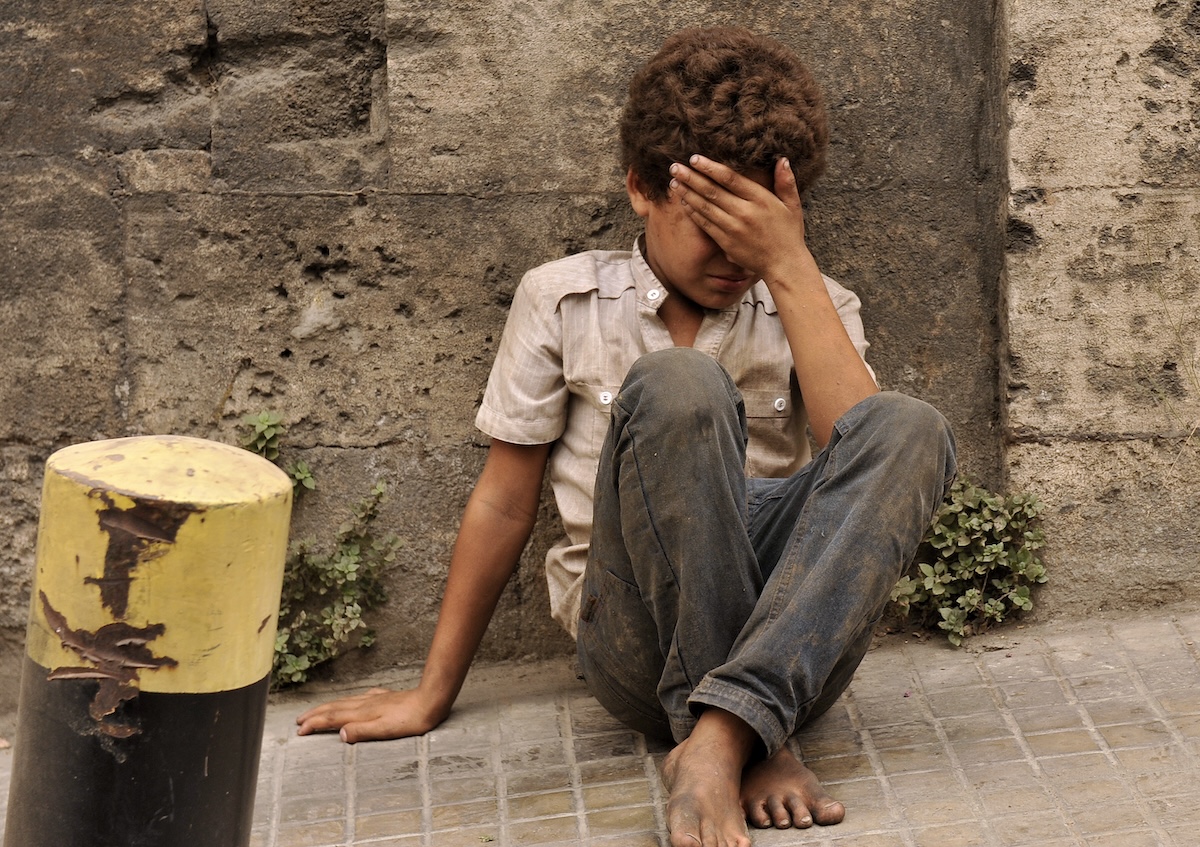
Human Rights Are Inherent to All Human Beings
Human rights belong to every person simply because they are human. They are not granted by any state and apply equally to all people regardless of nationality, gender, ethnic origin, race, colour, religion, language, or any other status.
The Universal Declaration of Human Rights
The Universal Declaration of Human Rights (UDHR), adopted by the United Nations General Assembly in 1948, was the first international document to set out the fundamental rights and freedoms that all people are entitled to enjoy.
Today, the UDHR remains the foundation of international human rights law. Its thirty articles continue to inspire and guide human rights treaties, conventions, and legal instruments worldwide.
🌍 Universal Rights
Human rights belong equally to every person without distinction of race, gender, nationality, religion, language, or any other status.
⚖️ Inalienable Rights
Human rights cannot be taken away except in specific circumstances and according to due legal process established by law.
🔗 Interdependent and Indivisible
Civil, political, economic, social, and cultural rights are interconnected and equally important. The realization of one right often depends on the realization of others.
🤝 Equality and Non-Discrimination
All human beings are born free and equal in dignity and rights. Freedom from discrimination is a fundamental principle of international human rights law.

© UNICEF/UNI220918/Orozco
Rights and Responsibilities
States that have ratified international human rights treaties are legally obligated to respect, protect, and fulfil human rights for everyone within their jurisdiction.
- Respect: States must refrain from interfering with or restricting the enjoyment of human rights.
- Protect: States must protect individuals and groups from human rights abuses by third parties.
- Fulfil: States must take positive measures to facilitate and ensure the enjoyment of fundamental human rights.
While we are all entitled to enjoy our human rights, we also share a responsibility to respect and defend the rights of others.

هذه المقالة متاحة أيضًا بـ:
 العربية (Arabic)
  Français (French)