
UNESCO has inscribed a group of five historic castles in Lebanon’s Mount Amel region on both the World Heritage List and the List of World Heritage in Danger, following an emergency review prompted by the ongoing conflicts in the Middle East.
The five castles were recognized for their exceptional architectural and historical significance, reflecting nearly nine centuries of fortified architecture that blends Crusader, Ayyubid, Mamluk, and local Lebanese influences.
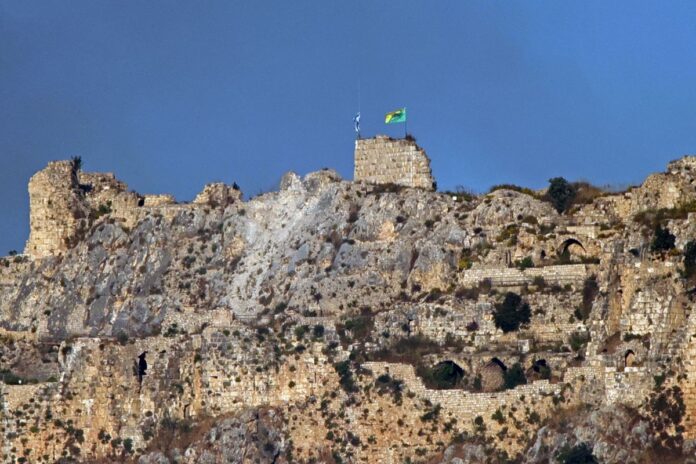
Among the newly inscribed sites is Beaufort Castle (Qalaat al-Shaqif/Shaqif Arnoun), a prominent Crusader fortress that has long been a symbol of southern Lebanon’s rich cultural heritage.
Israel objected to the inscription, particularly the inclusion of Beaufort Castle, claiming that Hezbollah had used the site and its surroundings for military purposes. Lebanon rejected these allegations, stating during the UNESCO Committee meeting that the castles have been used exclusively for cultural and tourism purposes since Israel’s withdrawal from southern Lebanon in 2000, and accused Israeli media of misrepresenting tourist infrastructure as military installations.
UNESCO reaffirmed that all World Heritage nominations are evaluated according to the same technical criteria and procedures and that the organization does not take positions on political disputes.
In a separate decision, the UNESCO World Heritage Committee also placed the ancient city of Tyre, one of Lebanon’s most important Phoenician archaeological sites, on the List of World Heritage in Danger, citing the damage and risks resulting from the recent conflict in southern Lebanon. Tyre, Lebanon’s fourth-largest city, was subjected to intense Israeli airstrikes before the ceasefire that ended the latest hostilities.
The inclusion of the Mount Amel castles on the World Heritage List, together with the recognition of the threats facing Tyre, highlights the international community’s growing concern for the protection of Lebanon’s cultural heritage during times of armed conflict.
On 3 June 2026, the Israeli army released photographs of a change-of-command ceremony held by the Golani Brigade at Beaufort Castle (Qalaat al-Shaqif), after Israeli forces had captured the historic fortress several days earlier.
In a post on social media, the Israeli military’s Arabic-language spokesperson stated:
“Beaufort Castle, in southern Lebanon, hosted the Golani Brigade’s change-of-command ceremony. Golani — until victory!”
The accompanying photographs showed Israeli soldiers and military commanders inside the medieval fortress.
The capture and subsequent military use of Beaufort Castle, located south of Nabatieh and overlooking the Litani River, became a central element of Israeli military messaging during the operation, drawing international attention to the site’s cultural heritage and raising concerns about the protection of historic monuments during armed conflict.
هذه المقالة متاحة أيضًا بـ:

