

What should mark a moment of relief and return is, for many Lebanese families, unfolding under the shadow of a silent and deadly threat. As civilians begin to make their way back to areas affected by recent hostilities, the National Human Rights Commission in Lebanon (NHRC-CPT) is warning that the ground beneath their feet may still carry the dangers of war.
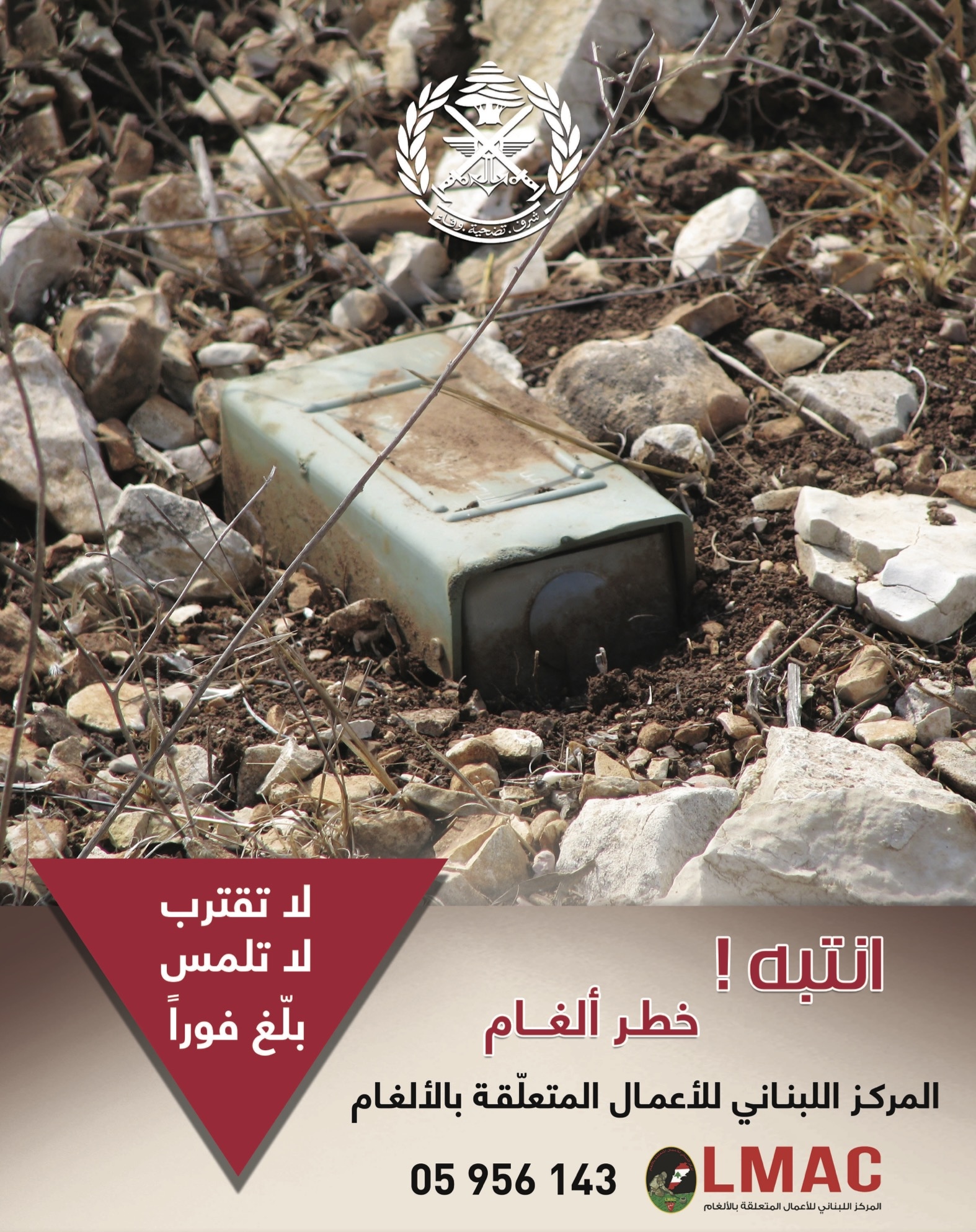
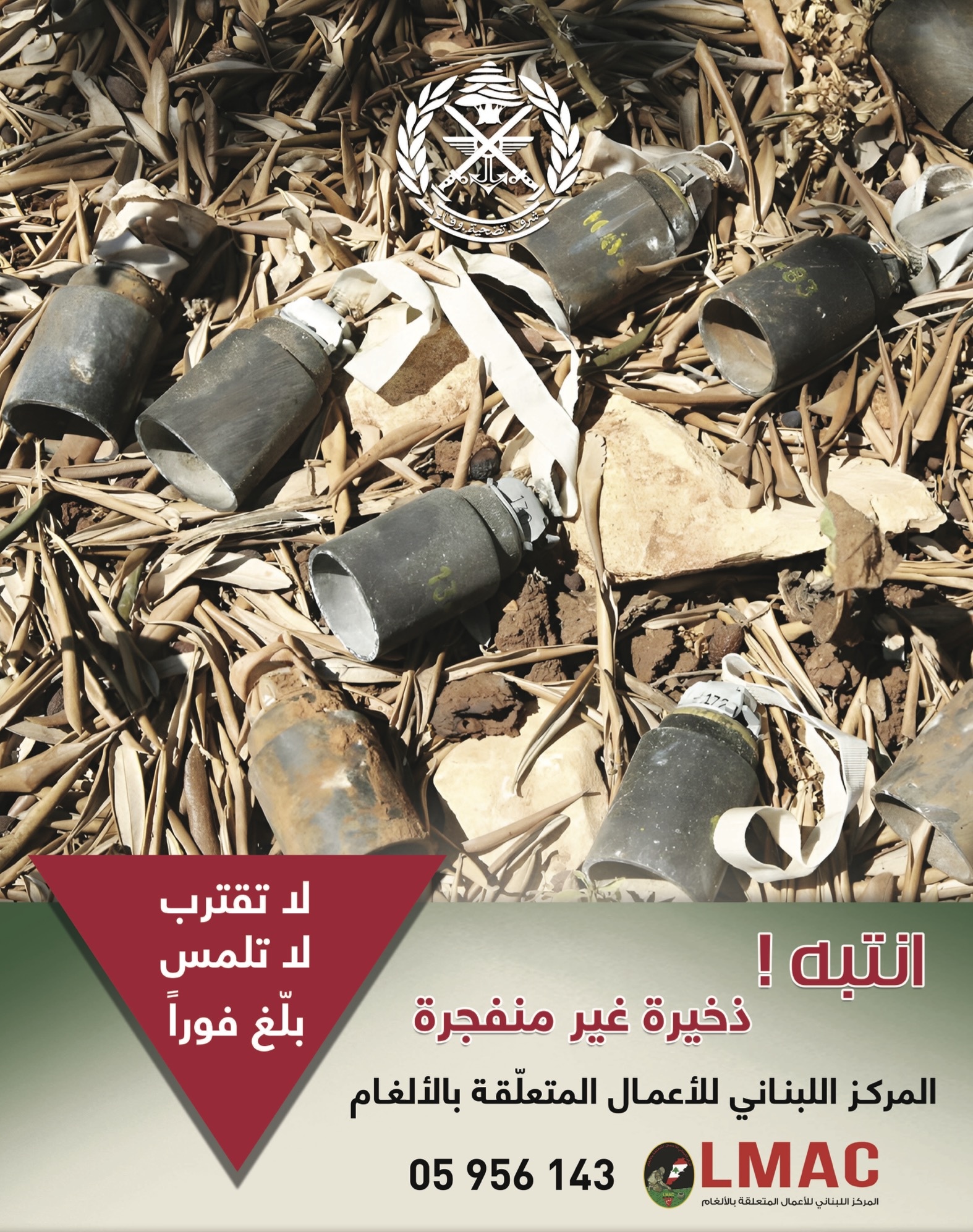
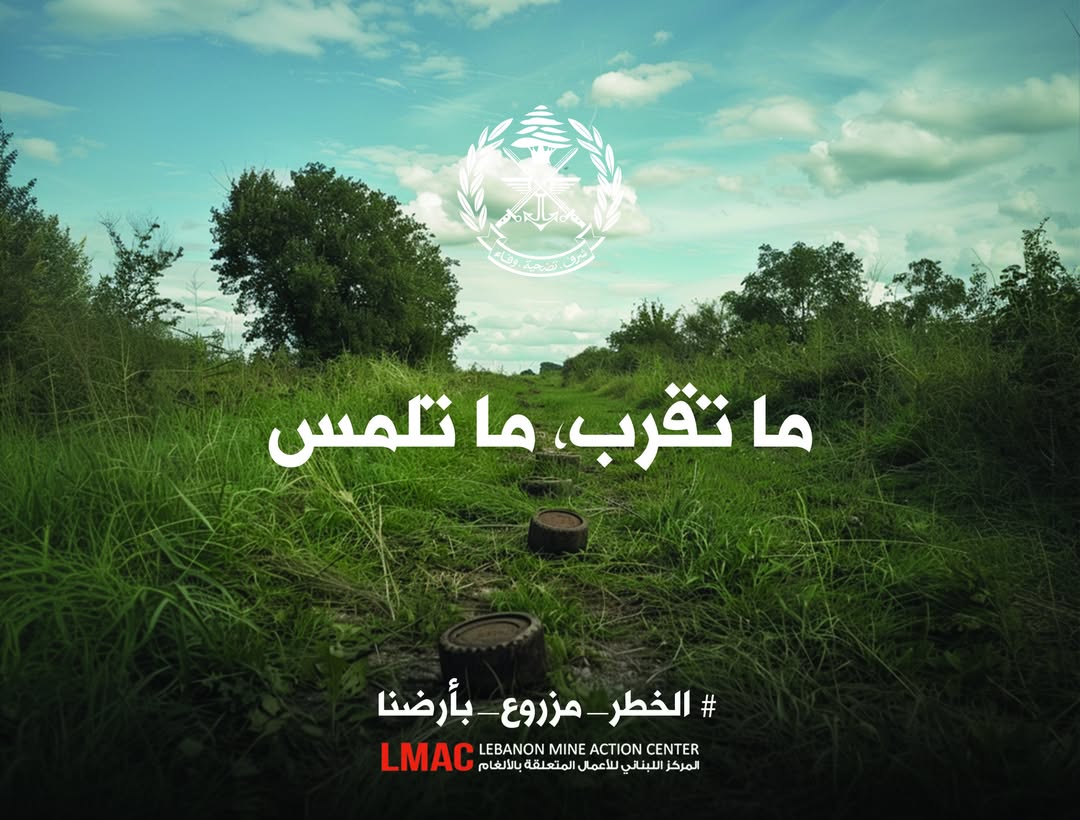
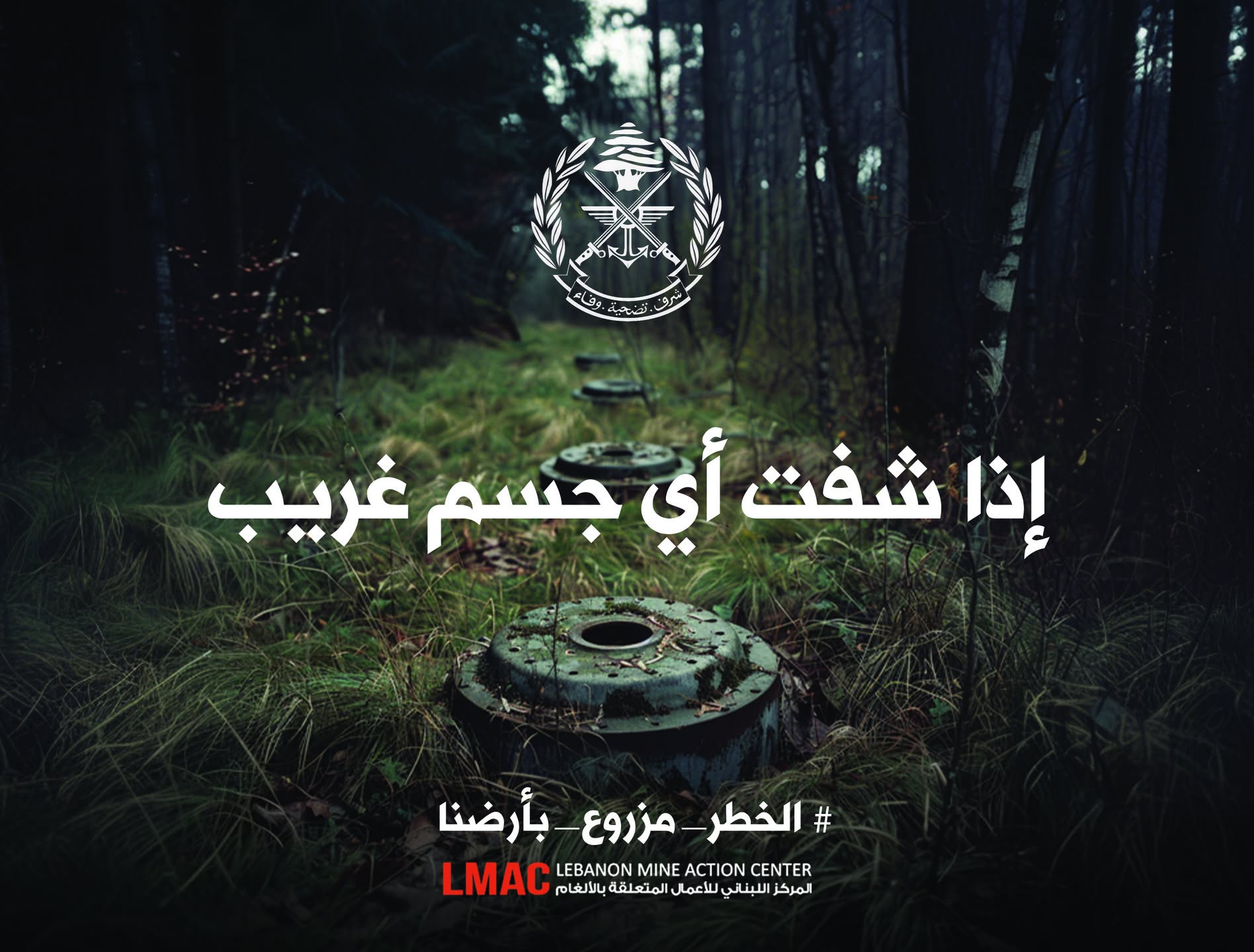
Across fields, villages, and the outskirts of towns, landmines, cluster munitions, and unexploded ordnance (UXO) remain scattered, often invisible, and frequently lethal. In many cases, these remnants are embedded in the very spaces people rely on to rebuild their lives: farmland, pathways, doorsteps, and abandoned homes.
“Returning home should never be a life-threatening act,” the Commission notes. “Yet today, many are unknowingly stepping into environments where danger is hidden, unpredictable, and immediate.”
Ongoing Threat
The effects of war do not end when the fighting stops. These explosive remnants may remain hidden for years, capable of detonating from slight contact, minor movement, or even natural factors. Children are among the most vulnerable, as some of these objects may appear like toys or harmless metal pieces, increasing the likelihood that they will approach or handle them. Farmers also face a double risk, caught between the need to reclaim their agricultural lands and the danger of explosives potentially buried in the soil.
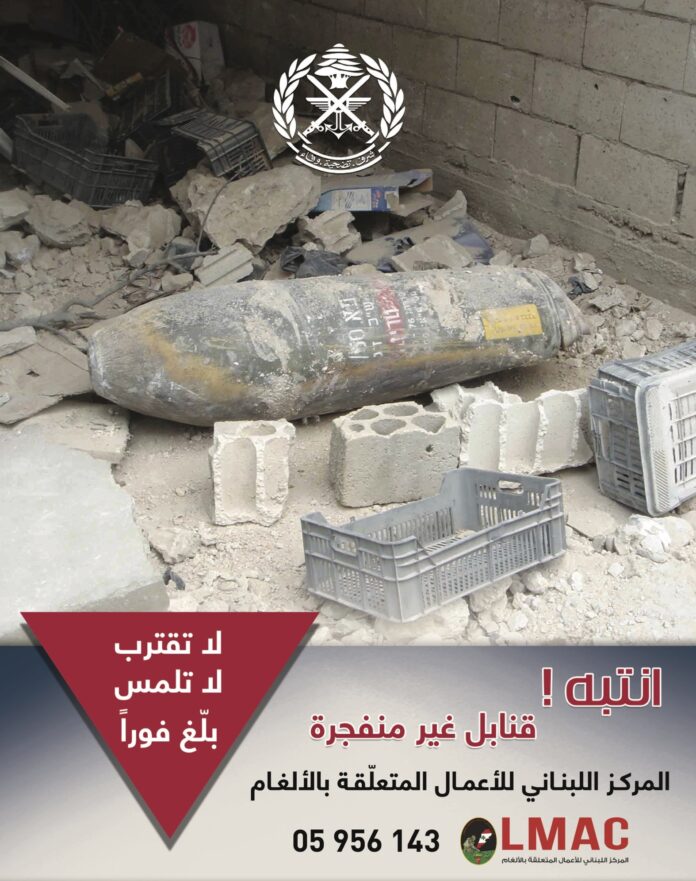
Clear Message: Do Not Approach, Do Not Touch, Report Immediately
The Commission calls on all returnees to strictly adhere to the following instructions:
⚠️ Do not approach
⚠️ Do not touch
⚠️ Move away immediately
📞 Report to the Lebanese Mine Action Center (LMAC): +961 5 956 143
The Commission emphasizes that following these simple rules can save lives and prevent new tragedies.
Fundamental Rights at Risk
The National Human Rights Commission in Lebanon warns that the spread of explosive remnants of war in civilian areas is not merely a direct security threat, but also strikes at the core of fundamental human rights. It explained that the continued presence of landmines and unexploded ordnance exposes civilians to constant risks to their lives and physical safety, while at the same time undermining their right to return to their homes in safety and dignity. This reality also negatively affects livelihoods, particularly in agricultural areas, where farmers find themselves unable to use their land due to the dangers hidden beneath it. The Commission considers that the persistence of these threats without effective remediation obstructs the recovery of local communities and keeps residents in a state of ongoing fear and instability.
Call for Awareness and Reporting
The National Human Rights Commission in Lebanon emphasizes that the efforts undertaken by the Lebanese Mine Action Center (LMAC) to clear explosive remnants and raise awareness of their dangers remain essential, but cannot succeed without the awareness and direct cooperation of citizens. The Commission stressed that safety begins with individual daily behavior, urging residents to avoid entering unknown or potentially unsafe areas and to stick to previously used and familiar paths. It also highlighted the importance of educating children about the dangers of unfamiliar objects and ensuring they are constantly supervised, given their heightened vulnerability. At the same time, the Commission calls for the immediate reporting of any suspicious object, enabling specialized authorities to respond quickly and prevent further injuries.

📄 Open or download the full report
هذه المقالة متاحة أيضًا بـ:
 العربية (Arabic)

