
The National Human Rights Commission in Lebanon, including the Committee for the Prevention of Torture, warned of the serious risks that displaced persons may face inside shelters as the wave of displacement expands following the Israeli offensive that escalated on 2 March 2026. The Commission noted that previous experiences during the 2024 war demonstrated that the absence of protection standards and oversight in such facilities can lead to serious violations that undermine the dignity and safety of displaced persons.
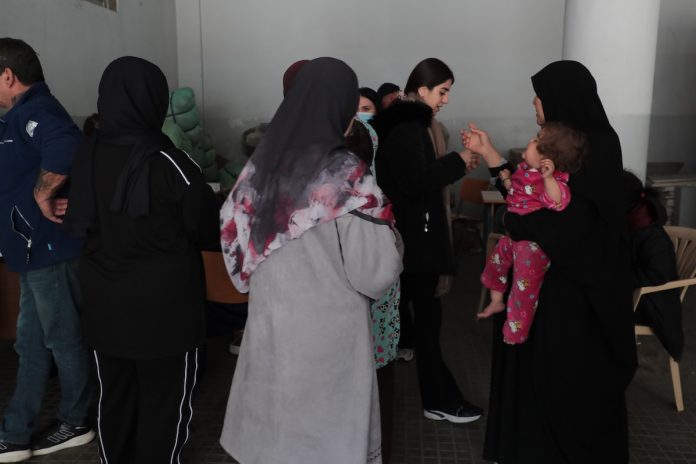
The Commission explained that collective shelters, which are often established on an emergency basis in schools and public buildings, frequently suffer from overcrowding and a lack of essential services. These conditions increase the vulnerability of groups already at higher risk, particularly women and girls, children, older persons, and migrant workers. It also warned that the absence of privacy in sanitation facilities and weak security arrangements in some shelters may create conditions that allow sexual harassment, gender-based violence, and other forms of exploitation or abuse.
In this context, the Commission recalled warnings previously issued by United Nations experts in a communication dated 4 February 2025, which highlighted that women and girls displaced during the Israeli attacks on Lebanon in September 2024 faced serious obstacles in accessing protection services and shelter, and that some were exposed to harassment and violence in overcrowded shelters.
The Commission stressed that preliminary information emerging from several displacement areas already indicates worrying signs of poor organization and weak management in some shelters, which requires the authorities to act swiftly to prevent the recurrence of violations documented during previous displacement crises. It emphasized that protecting displaced persons goes beyond providing shelter, and must include ensuring a safe environment that respects human dignity and prevents all forms of violence and discrimination.
The Commission therefore called on Lebanese authorities and humanitarian actors to adopt clear standards for the management of shelters. These measures should include ensuring privacy in sanitation facilities, providing adequate lighting and security within shelters, establishing effective complaint mechanisms, and ensuring access to psychological, social, and health support services, particularly for women and children. It also stressed the importance of involving local communities and civil society organizations in the management of the humanitarian response to enhance transparency and effectiveness in protecting displaced persons.
The Commission concluded by emphasizing that the protection of civilians in situations of displacement constitutes a legal obligation under international human rights law and international humanitarian law, and called for urgent measures to ensure that shelters do not become spaces where rights are violated, but rather remain safe havens for civilians fleeing conflict.
هذه المقالة متاحة أيضًا بـ:

