

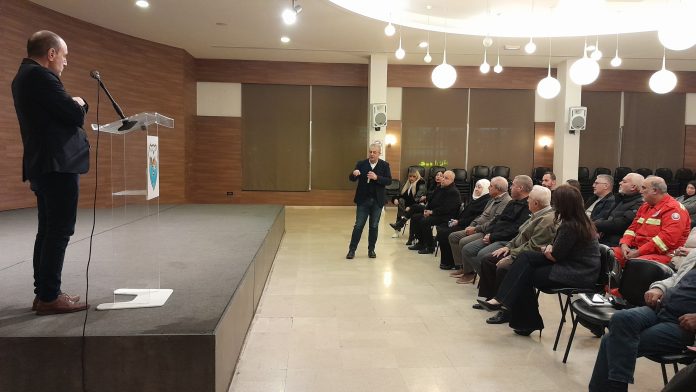
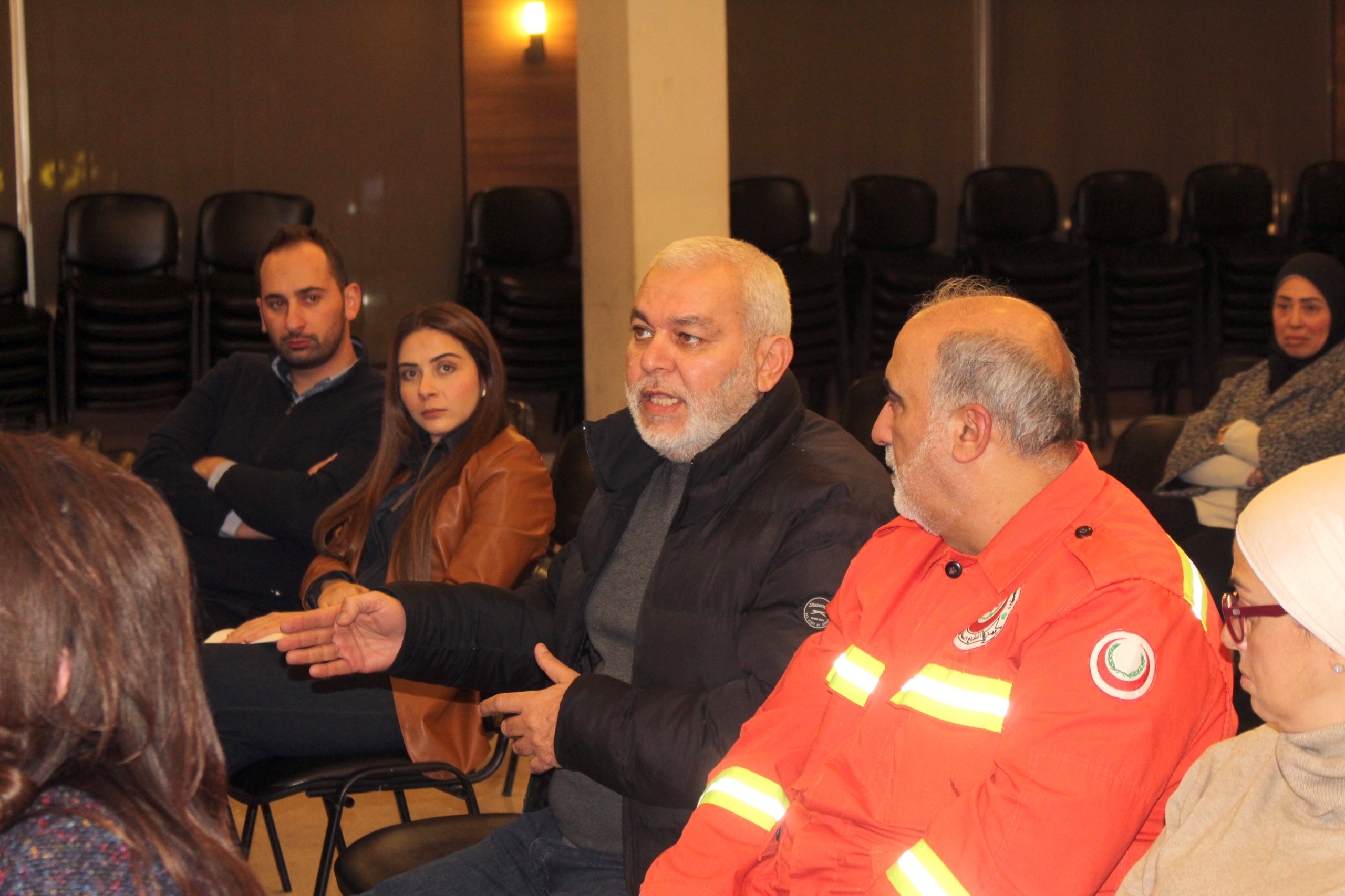
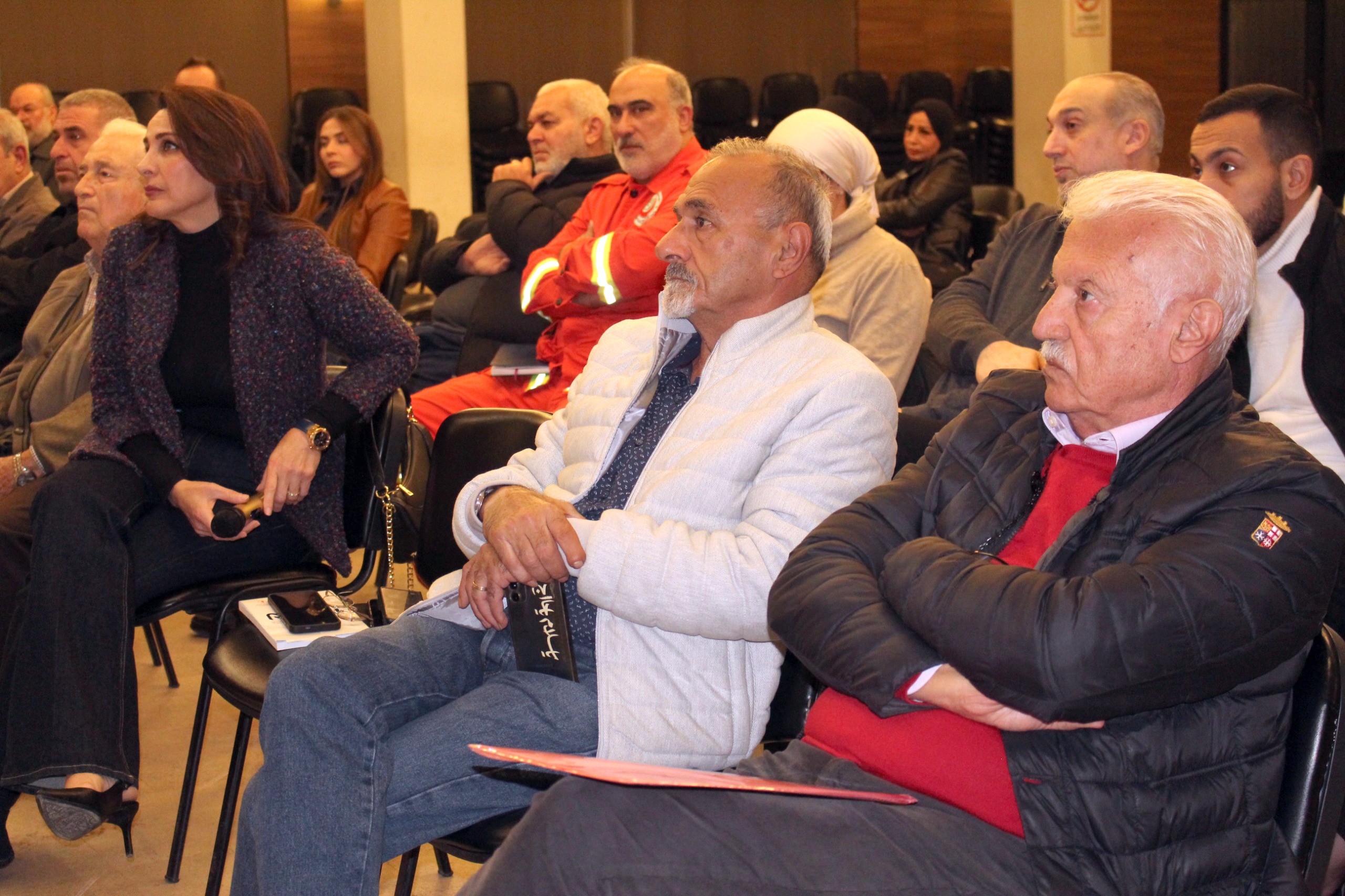
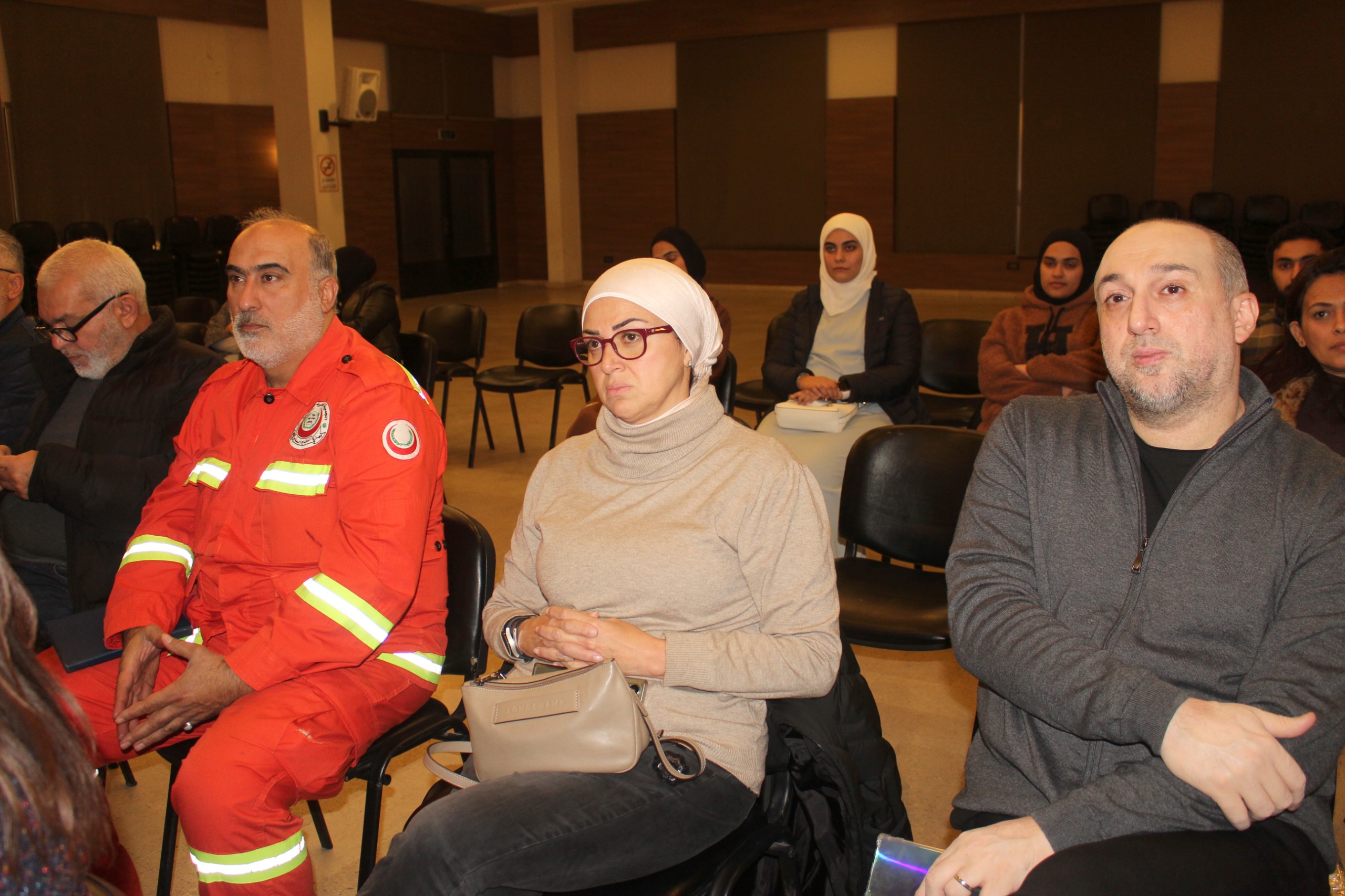
On the occasion of International Human Rights Day, Saida Municipality organized a dialogue entitled: “The National Human Rights Commission in Lebanon Including the Committee for the Prevention of Torture: Its Role, Mandate, and Mechanisms of Action”, on Wednesday evening in the Misbah Al‑Bazri Hall in the municipality’s building.
The meeting was attended by the Mayor of Saida, Engineer Mustafa Hijazi, a number of municipal council members, the Chairwoman of the Hariri Foundation Mrs. Bahiyya Hariri, MP Dr. Abdul Rahman Al‑Bazri represented by Mr. Karim Al‑Baba, MP Dr. Osama Saad represented by Dr. Abdul Qader Bassat, the Chairwoman of the Public Works Committee in Al‑Hilaliya Municipality Mrs. Hanaa Abu Mar’i Akra, the Secretary‑General of the Popular Democratic Party Mr. Muhammad Hashisho, in addition to several civil society and charitable association representatives.
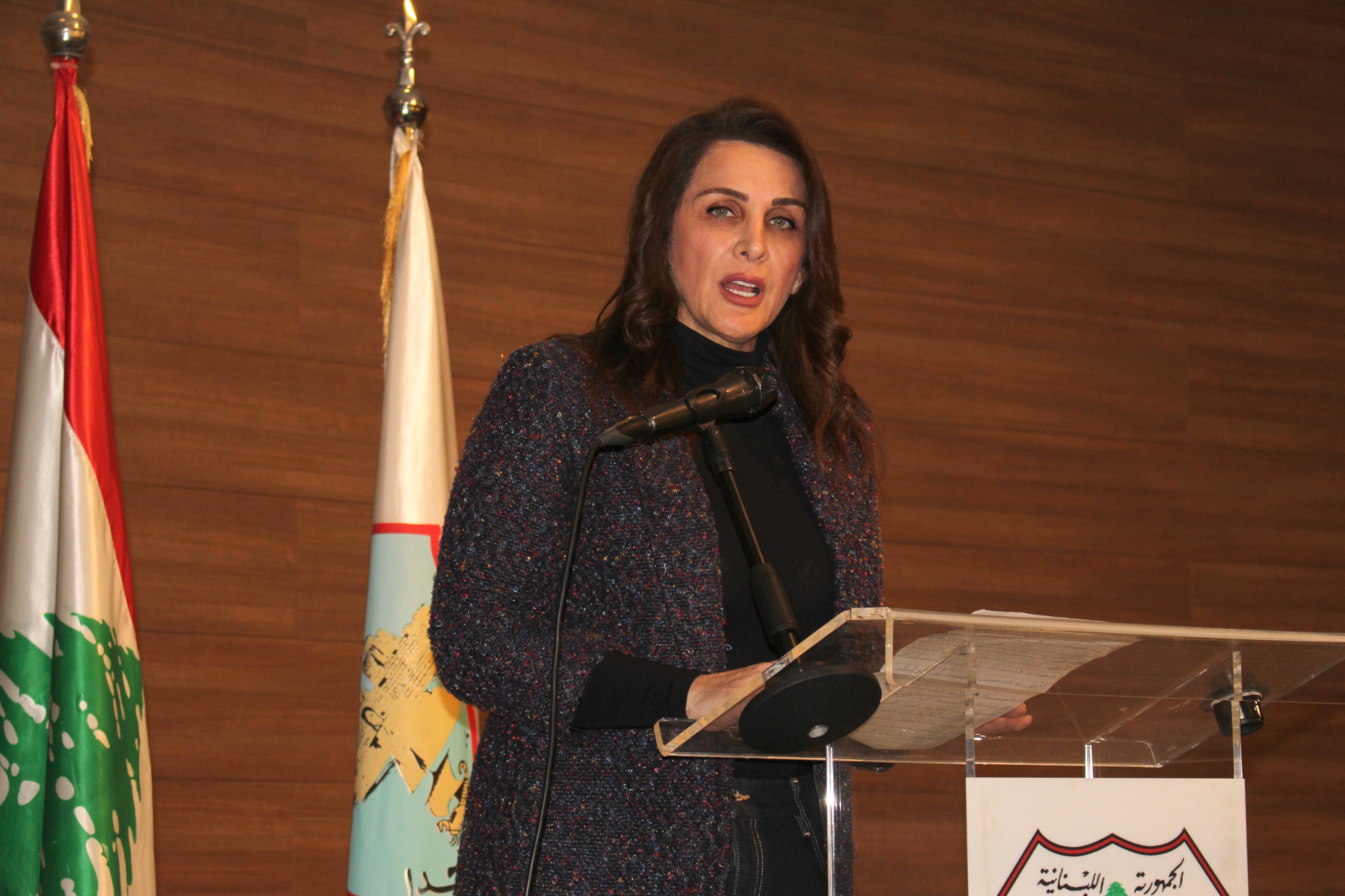 At the start of the meeting, the Chairwoman of the Social Committee in the Saida Municipal Council, Ms. Angie Atrouni Al‑Sab’aa Ain, welcomed the attendees, considering that this meeting represents a foundational step toward cooperation aimed at consolidating a culture of rights, activating the role of municipalities in protecting freedoms, and spreading community awareness of the rights of all segments, especially marginalized groups.
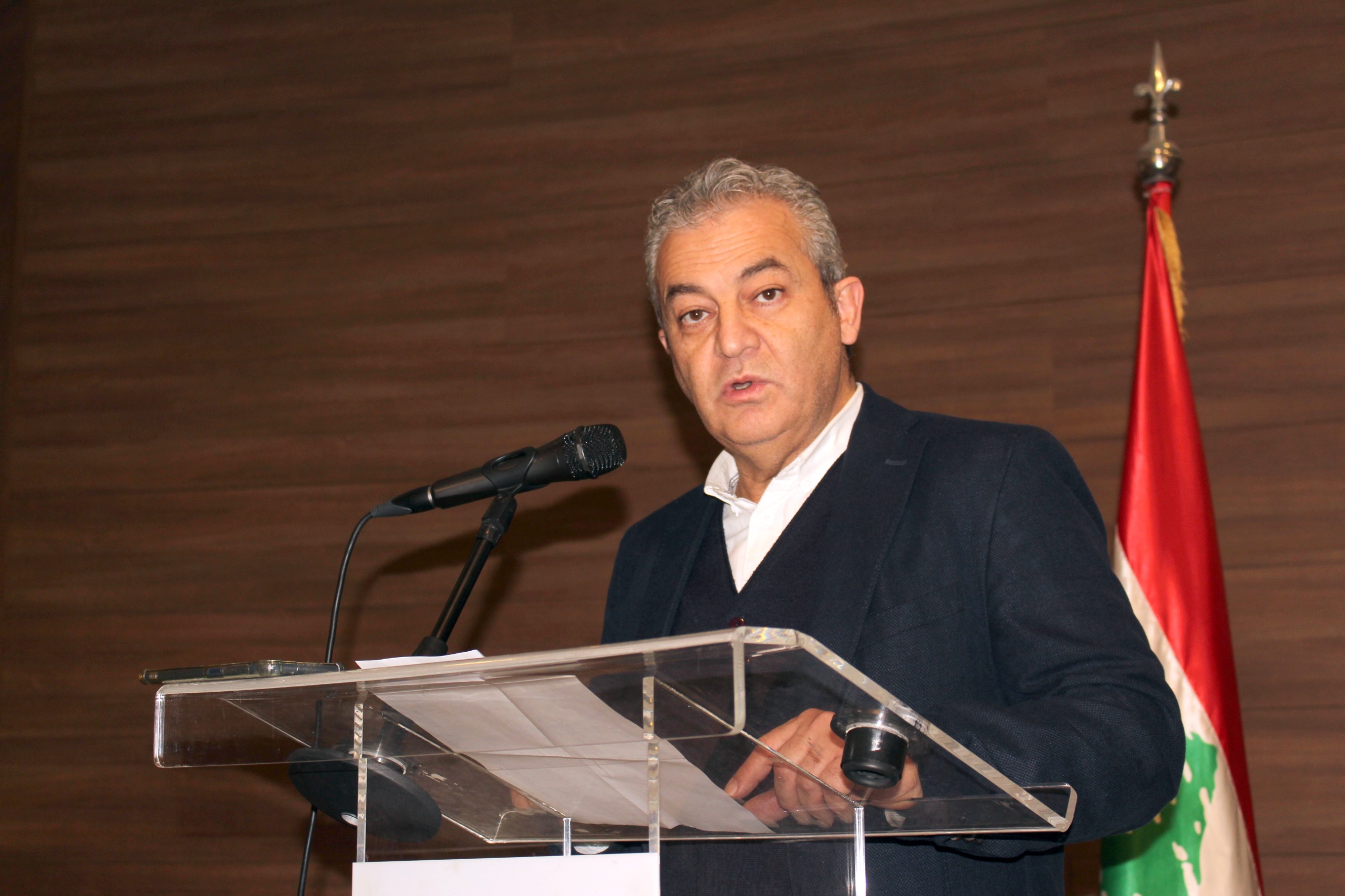
After that, the Mayor of Saida, Engineer Mustafa Hijazi, spoke, saying:
“I welcome you to Saida Municipality, and thank you for participating in this session that we are holding on the occasion of International Human Rights Day, to affirm that human rights are not theoretical concepts, but practices that begin with the local administration where there is direct contact with people.”
He added:
“In municipal work, we translate these rights into policies and services. Dignity is embodied in respecting the citizen and applying the law without abuse; public safety in removing dangerous encroachments, organizing traffic, and protecting pedestrians; and a healthy environment in managing waste and protecting the beach and public property. Saida has faced multiple crises—health, social, and economic— and our choice has been for the municipal response to be centered on protecting people first, ensuring non‑discrimination, facilitating access to services for the most vulnerable groups, and emphasizing that the right to the city is a right for everyone.”
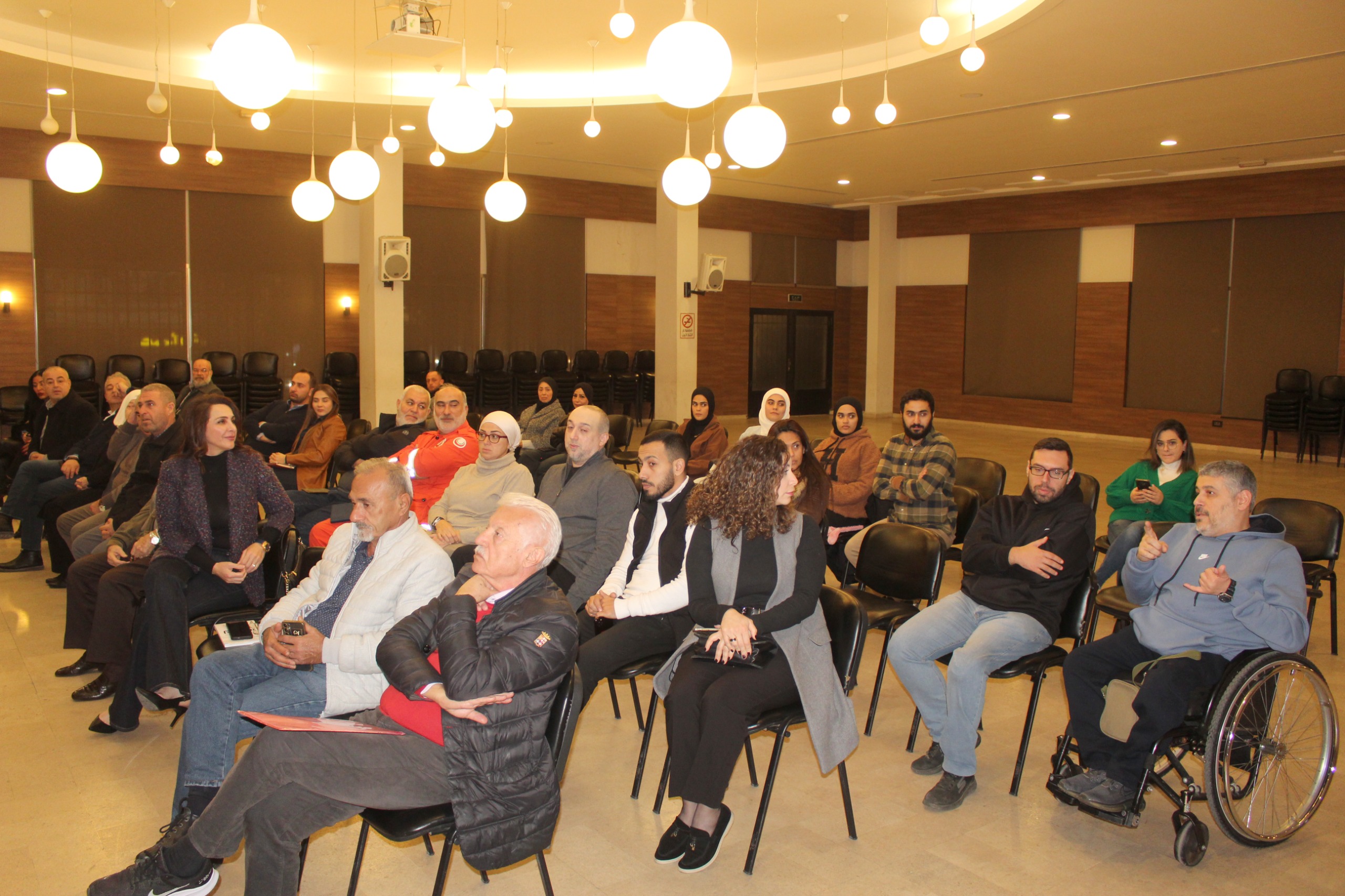
He continued:
“This is where the importance of our session’s title emerges: The National Human Rights Commission in Lebanon Including the Committee for the Prevention of Torture, as a principal partner for municipalities in consolidating a human rights culture and building trust with citizens. The relationship between national human rights institutions and local councils is a complementary one, where the national mandate intersects with the executive and service roles of municipalities, allowing the transformation of standards into tangible practices.”
He noted that local councils bear a pivotal role in the success of this path through cooperation with the Commission, facilitating its tasks, implementing its recommendations, adopting human rights‑based policies, and involving the community in decision‑making. He concluded by expressing his hope that this session will help turn the discussion into practical steps, affirming that human rights are measured in the details of daily life.
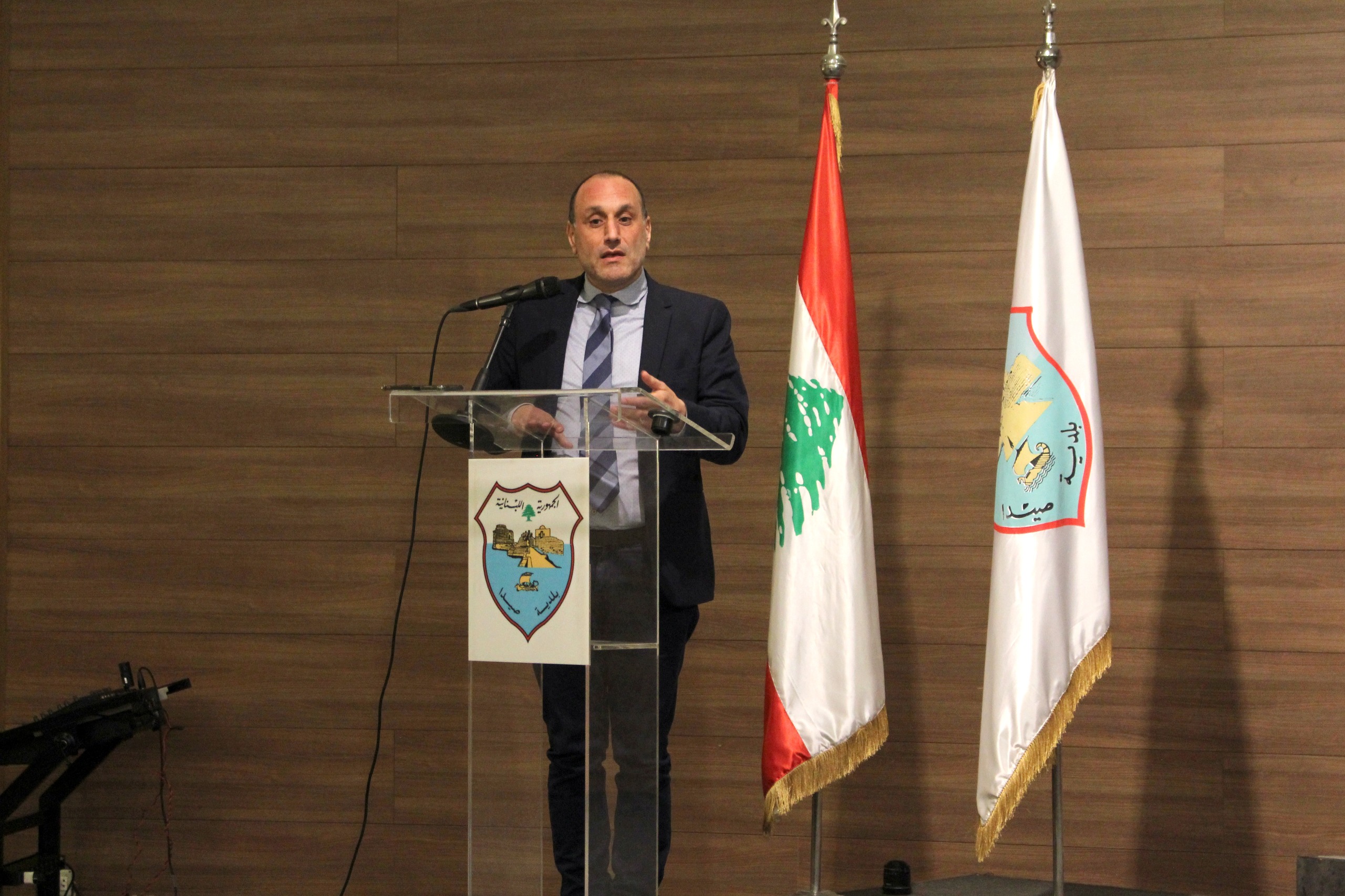
For his part, the Commissioner for International Relations and Media at the National Human Rights Commission Including the Committee for the Prevention of Torture, Mr. Bassam Al‑Kantar, presented the legal basis for establishing the Commission, particularly Law No. 62 issued on October 27, 2016 and its amendments, related to the establishment of the National Human Rights Commission including the Committee for the Prevention of Torture, in addition to Law No. 12 issued on September 5, 2008, concerning Lebanon’s ratification of accession to the Optional Protocol to the Convention against Torture and Other Cruel, Inhuman or Degrading Treatment or Punishment.
Al‑Kantar said:
“National human rights institutions are funded by the state but are independent from it. They are not non‑governmental organizations, but act as a bridge between civil society and governments. These institutions are known by different names from one country to another, such as commission, committee, authority, or human rights council, or the ombudsman institution, public defender, mediation, or defense of people’s interests.”
He added that the Commission works to protect and promote human rights in Lebanon in accordance with the standards contained in the Lebanese Constitution, the Universal Declaration of Human Rights, relevant international conventions and treaties, and Lebanese laws compatible with these standards, in addition to performing the specific tasks defined in its founding law. Within this framework, it can independently communicate with relevant international and local human rights bodies.
He explained that among the main tasks of the Commission are:
-
Monitoring Lebanon’s compliance with human rights and international humanitarian law and preparing and publishing special or periodic reports.
-
Independently contributing to the preparation of reports required from the Lebanese state.
-
Expressing opinions on anything the Commission is consulted on by competent authorities or initiates on its own, especially regarding respect for human rights standards, including legislation, decrees, decisions, and public policies.
-
Receiving complaints and notifications related to human rights violations and contributing to addressing them through negotiation and mediation or through recourse to the judiciary.
-
Contributing to spreading a culture of human rights and strengthening educational programs related to it.

Regarding the Committee for the Prevention of Torture, Al‑Kantar noted that Law No. 62/2016 defines its tasks, so it works within the Commission to protect the rights of detained persons and those deprived of their freedom, according to the provisions of the law and Lebanon’s obligations under the Optional Protocol to the Convention against Torture. Regarding the reality of prisons, he stressed the need to improve detention conditions, expedite case decisions, reduce the excessive use of pre‑trial detention, ensure the timely transfer of detainees to courts, and apply effective alternatives to detention.
Al‑Kantar pointed out that this meeting at Saida Municipality is one of a series of meetings the Commission seeks to organize in partnership with municipal councils in various Lebanese regions, with the aim of introducing the Commission, its grievance mechanism, how to submit complaints, and learning about the practical mechanism for receiving and following up on complaints, in addition to the leading role the Commission aspires to play in spreading a culture of human rights, especially among youth and students.
He also presented a number of observations on the reality of human rights in Lebanon and the role of the Commission in protecting and promoting them, pointing to the high level of human rights violations, particularly in the field of economic and social rights. He praised the launch of the Parliamentary Human Rights Committee’s National Human Rights Action Plan for the period 2026–2030, calling for the creation of a binding legal framework to ensure the implementation of this plan by the legislative and executive authorities.
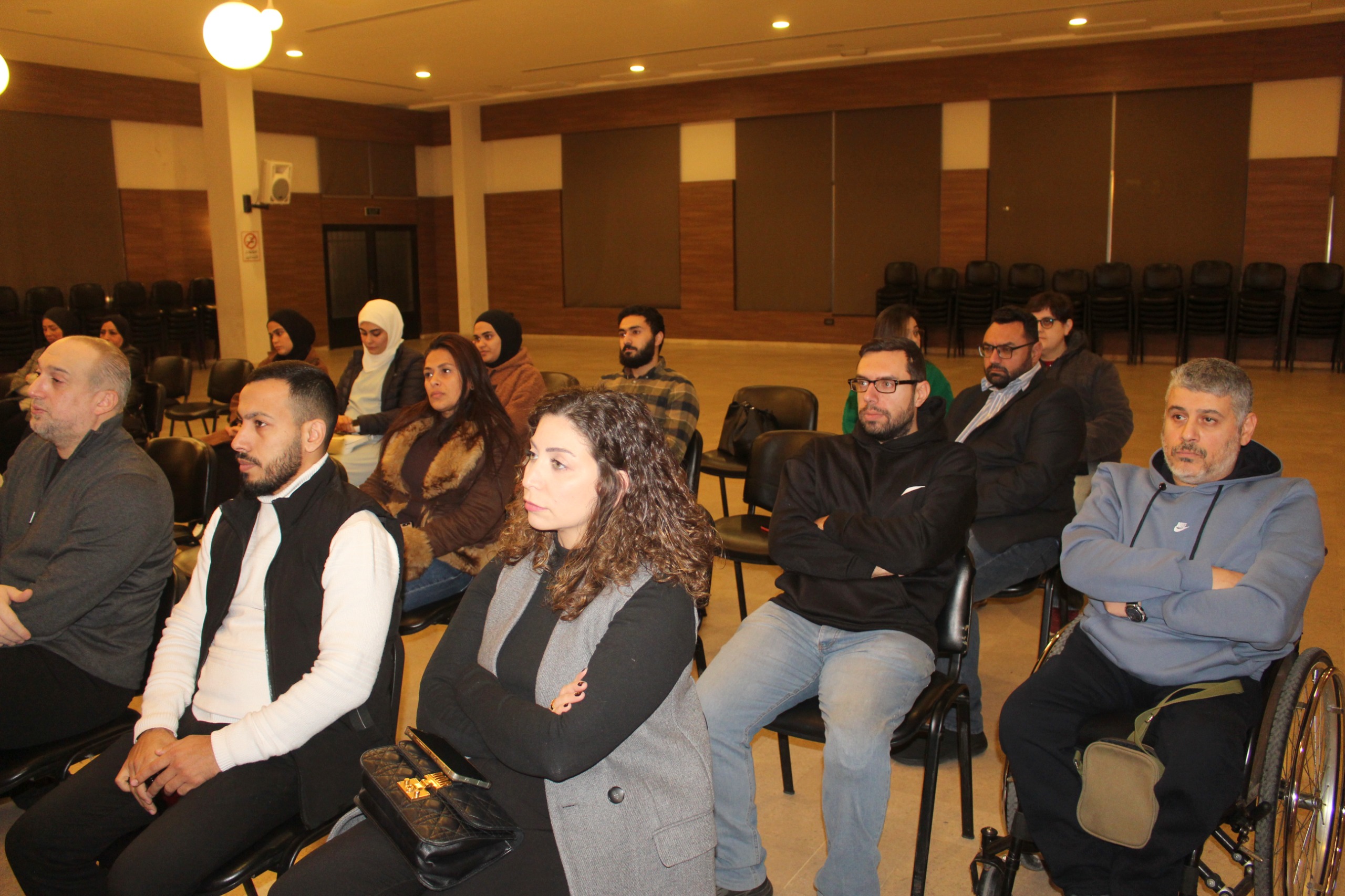
In a related context, he touched on the serious violations of international humanitarian law, manifested in the atrocities of the ongoing Israeli aggression against Lebanon, despite the achievement of a ceasefire decision more than a year ago, along with violations of human dignity and rights in the context of the war, the continued occupation in several areas, the detention of twenty Lebanese prisoners, and the enforced disappearance of forty‑two other citizens.
He called for the establishment of an independent international investigation mechanism, sufficiently resourced to investigate all alleged human rights violations and breaches of international humanitarian law, and crimes committed under international law in Lebanon since October 2023, document them, and determine their root causes, in preparation for ensuring accountability and determining responsibilities.
He also demanded referring the crimes committed by Israel in Lebanon to the Prosecutor of the International Criminal Court by revoking the Cabinet decision issued on April 26, 2024, which accepted the Court’s jurisdiction to investigate crimes falling within its mandate committed on Lebanese territory since October 7, 2023, in accordance with Article 12, paragraph 3 of the Rome Statute.
This meeting comes within the framework of Saida Municipality and the National Human Rights Commission’s efforts to strengthen the partnership between local authorities and human rights institutions, and to consolidate a culture of human rights at the local level, contributing to the protection of human dignity and strengthening trust between citizens and public institutions.
هذه المقالة متاحة أيضًا بـ:
 العربية (Arabic)
  Français (French)

