


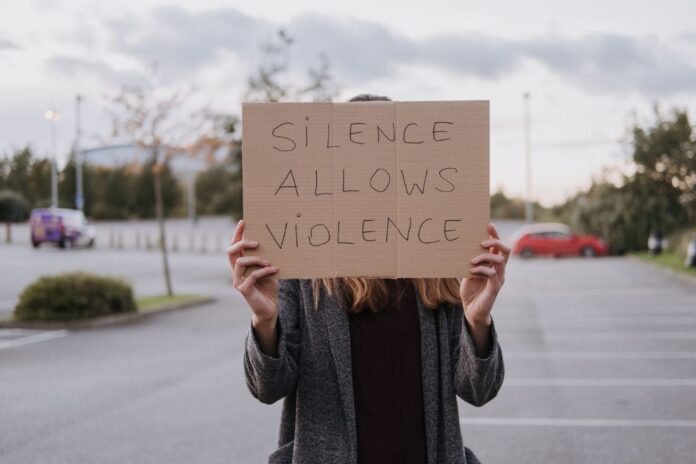
On World Day for the Prevention of and Healing from Child Sexual Exploitation, Abuse and Violence, observed annually on 18 November, the National Human Rights Commission, including the Committee for the Prevention of Torture, calls for stronger child protection systems in Lebanon, effective prevention, safe reporting, investigation and accountability, and access to care, recovery and remedies for child victims and survivors, without discrimination or stigma.
The Commission affirms that protecting children from sexual violence is a shared responsibility of public authorities, educational, care, health, sports and religious institutions, digital platforms, families and society. No institution’s reputation or interests may take precedence over a child’s safety and rights.
Prevention, protection and recovery are interconnected rights
The United Nations General Assembly proclaimed this observance through resolution 77/8, adopted on 7 November 2022, emphasising the need to prevent child sexual exploitation, abuse and violence, online and offline; hold perpetrators accountable; and ensure victims’ and survivors’ access to justice, remedies, healthcare, psychological support and recovery.
The Commission notes that sexual violence can occur within families, institutions and communities, or through digital technologies, and may be perpetrated by someone the child knows and trusts. Risks of exploitation increase during war, displacement, poverty, interrupted schooling and declining access to services. Child protection must therefore be integrated into humanitarian responses and social protection programmes.
The Commission stresses that responsibility for abuse rests with the perpetrator. A child’s silence, delayed disclosure or withdrawal of an account must not, on its own, be treated as evidence that abuse did not occur. Disclosures must be handled professionally, taking account of the child’s age, maturity and safety, without blame, pressure or repeated questioning that may cause further harm.
Lebanon has not submitted its initial report under the Optional Protocol
The Commission recalls that Lebanon ratified the Optional Protocol to the Convention on the Rights of the Child on the sale of children, child prostitution and child pornography on 8 November 2004, and that it entered into force for Lebanon on 8 December 2004. The instrument’s official title is used here; in public communication about these offences, the term “child sexual abuse material” should be used.
According to the reporting record published by the Office of the United Nations High Commissioner for Human Rights, Lebanon has not submitted its initial report, due since 8 December 2006. Consequently, no review of its initial report under this Protocol has taken place before the Committee on the Rights of the Child since ratification. In its 2017 concluding observations, the Committee urged Lebanon to fulfil this overdue obligation.
The Commission stresses that this delay, approaching twenty years beyond the reporting deadline, deprives international monitoring of a comprehensive national account of the legislation, measures, resources, results and gaps relating to implementation of the Protocol. The Commission previously raised this failure in its 12 January 2025 review of Lebanon’s record before international human rights mechanisms.
Reporting must be accompanied by a substantive review of implementation and a plan to address shortcomings. The Protocol’s scope, covering the sale of children and specific forms of sexual exploitation, complements the broader obligations to protect all children from all forms of abuse and violence under the Convention on the Rights of the Child.
The Commission’s recommendations
1. Submit the overdue initial report without further delay.
The Commission calls on the Government to designate a clear coordinating authority, involving the Higher Council for Childhood at the Ministry of Social Affairs and relevant ministries and public bodies, and announce a timetable for preparing and submitting the report to the Committee on the Rights of the Child. Consultation with the Commission and civil society must be ensured, alongside safe, appropriate participation by children, without placing any responsibility on them to disclose painful personal experiences.
2. Adopt a funded national plan for prevention, protection and recovery.
The Commission recommends a plan specifying responsibilities, resources, deadlines and implementation indicators, covering child sexual exploitation, abuse and violence online and offline, and connecting protection, health, education, justice and social protection services.
3. Provide safe reporting and prompt referral to protection.
The Commission calls for accessible, publicised reporting channels responsive to children’s age, language and disability, and clear procedures for risk assessment and urgent intervention. Access to protection must not depend on the consent of the suspected perpetrator or anyone who may endanger the child. Children must receive explanations of the procedures and the legal limits of confidentiality.
4. Ensure child-friendly justice and end impunity.
The Commission stresses the need for prompt, effective investigations by trained specialists, fewer repeated interviews, preservation of physical and digital evidence, legal assistance and protection against retaliation. Family settlements or social and institutional pressure must not obstruct justice or silence children. The presumption of innocence and defence rights must be respected.
5. Ensure access to healthcare, psychological support and long-term recovery.
The Commission calls for accessible, specialised, trauma-informed services that respect children’s privacy and best interests, including medical care, psychological and social support, and continuity of education. Essential assistance must not depend on filing a criminal complaint or securing a conviction.
6. Require institutions to adopt clear child safeguarding policies.
Educational, care, health, sports and religious institutions should adopt codes of conduct, independent complaints mechanisms, risk assessment procedures, safe recruitment, training and referral arrangements with competent authorities. Internal measures alone are insufficient, and suspected perpetrators must not simply be transferred to another position that allows continued access to children.
7. Strengthen digital protection without unlawful interference with rights.
The Commission calls for stronger investigative capacities concerning online grooming, extortion and sexual exploitation, and cooperation with platforms to preserve evidence, promptly remove child sexual abuse material and prevent its recirculation, in accordance with the law. Age-appropriate awareness must be promoted while respecting privacy and avoiding blanket surveillance of children’s communications.
8. Protect children most exposed to exploitation during crises.
The Commission recommends stronger safeguards in shelters, residential settlements and aid delivery sites, including safe accommodation, sanitation facilities, referral and follow-up arrangements. Services must include Lebanese, refugee, displaced and migrant children, unaccompanied children and children with disabilities, without discrimination.
9. Publish reliable data while protecting identities.
The Commission calls for a coordinated data system distinguishing reports, referrals, investigations, judgments and services provided, while preventing duplicate recording and protecting personal information. A decline in reports does not, on its own, demonstrate a decline in abuse: it may reflect fear, stigma or barriers to services.
10. Combat stigma and ensure media coverage protects children.
The Commission urges media outlets and digital platform users not to disclose children’s identities or information enabling their identification, and not to circulate abuse material or harmful details. Public communication must affirm that children are not responsible for crimes committed against them, that seeking help is a right, and that recovery requires sustained support respecting their wishes and evolving capacities.
The Commission affirms that fulfilling Lebanon’s international obligations begins with effective protection for every child and includes submitting overdue reports, reviewing laws and practices, providing safe services and holding perpetrators accountable. Recovery and access to remedies are rights. Fear, stigma and institutional shortcomings must not perpetuate silence and impunity.
Resources and reference documents
- United Nations: World Day for the Prevention of and Healing from Child Sexual Exploitation, Abuse and Violence.
- General Assembly resolution 77/8 establishing the World Day.
- Convention on the Rights of the Child.
- Optional Protocol on the sale of children, child prostitution and child pornography.
- UN Treaty Body Database: Lebanon’s reporting status.
- Committee on the Rights of the Child: 2017 concluding observations on Lebanon, particularly paragraph 48.
- NHRC: Review of Lebanon’s record before treaty mechanisms and special procedures.
- WHO: Responding to children and adolescents who have been sexually abused — clinical guidelines.
- UNICEF: Action to End Child Sexual Abuse and Exploitation — Arabic summary.
- Special Representative of the Secretary-General on Violence against Children.
هذه المقالة متاحة أيضًا بـ:
 العربية (Arabic)
 Français (French)

