
The National Human Rights Commission of Lebanon, including the Committee for the Prevention of Torture (NHRC-CPT), has submitted its contribution to the Office of the United Nations High Commissioner for Human Rights (OHCHR) on human rights and climate adaptation.
The contribution will inform the Secretary-General’s analytical study requested by Human Rights Council resolution 62/14, to be presented at the Council’s sixty-sixth session in September 2027. The study will examine challenges, good practices and actionable pathways to protect the enjoyment of human rights by present generations while safeguarding the needs and interests of future generations.
The Commission’s central recommendation is that climate adaptation should be assessed through its effects on people’s rights: whether it protects life, health, water, food, adequate housing, education and livelihoods, and whether it ensures equitable access to information, participation and effective remedies.
Turning national commitments into accessible services
Drawing on Lebanon’s National Adaptation Plan, NDC 3.0, climate reporting documents and international guidance for national human rights institutions, the contribution identifies a promising policy foundation for inclusive adaptation. It stresses that these commitments must translate into funded services, accountable institutions and measurable improvements for people facing the greatest risks.
Lebanon’s First Biennial Transparency Report maps 293 adaptation projects undertaken by non-State actors during 2020–2022, including initiatives involving irrigation efficiency, sustainable farming, water supply and community-based water and forest management. The Commission notes that project numbers alone do not establish whether adaptation measures have delivered equitable and lasting improvements in the enjoyment of human rights.
It recommends evaluating whether services remain safe, affordable and accessible during extreme events, alongside monitoring infrastructure delivery and expenditure.
Protecting people facing compounded risks
The contribution calls for adaptation measures that address the circumstances of women and girls, children and young people, older persons, persons with disabilities, low-income households, displaced persons, refugees, migrant workers and communities living in informal settlements.
The Commission emphasizes that nationality, residence status, inability to pay or lack of formal tenure should not prevent access to life-saving warnings, drinking water, emergency health care or shelter.
Its recommendations include accessible warning systems and evacuation arrangements, continuity of medication and support services, safe and resilient schools, protection for outdoor workers during extreme heat, and meaningful participation by affected communities in decisions that shape their lives.
Including people deprived of liberty in adaptation planning
The NHRC-CPT also draws attention to people deprived of liberty, who cannot freely seek shade, cooling, safe water or evacuation and depend on public authorities for their protection.
The Commission recommends climate risk assessments for prisons, juvenile facilities and other places of deprivation of liberty. These should address heat and flood exposure, ventilation, drinking water, continuity of health care and electricity, and emergency procedures that protect dignity and prevent abusive responses.
The contribution proposes including these facilities in adaptation audits and independent preventive monitoring. It presents these measures as necessary safeguards, rather than as evidence that existing national climate plans already provide comprehensive protection in detention settings.
Participation, accountability and prevention of harm
The Commission calls for community participation from the earliest stages of adaptation planning, with accessible information and clear explanations of how public input influences decisions.
It also recommends human rights impact assessments, transparent budgets and procurement, accessible complaints mechanisms, protection against retaliation and access to judicial remedies.
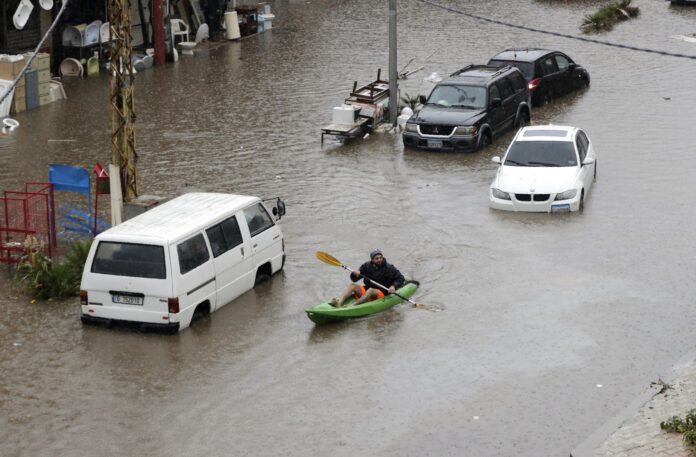
The contribution highlights the need to prevent maladaptation—measures that create or deepen risks instead of reducing them. Examples requiring preventive assessment include flood barriers that shift danger downstream, water projects that impose unaffordable charges, relocation that undermines housing and livelihoods, and infrastructure that damages ecosystems or reinforces unequal access to essential services.
Practical priorities for action
The Commission proposes coordinated action on local adaptation planning, resilient water and health services, heat protection, accessible multi-hazard early warning systems, sustainable agriculture and ecosystem restoration.
It recommends predictable funding, stronger municipal capacity, support for community-led initiatives, and international cooperation that finances maintenance and institutional capacity alongside new infrastructure.
To strengthen accountability, the NHRC-CPT proposes an annual public review of adaptation and human rights, drawing on community testimony, complaints, budget information and disaggregated service indicators. Such reviews should identify gaps, document unequal outcomes and guide corrective action.
The contribution concludes that protecting future generations requires long-term climate planning and preservation of water sources and ecosystems, alongside immediate protection of essential services for people living in Lebanon today.
هذه المقالة متاحة أيضًا بـ:

