
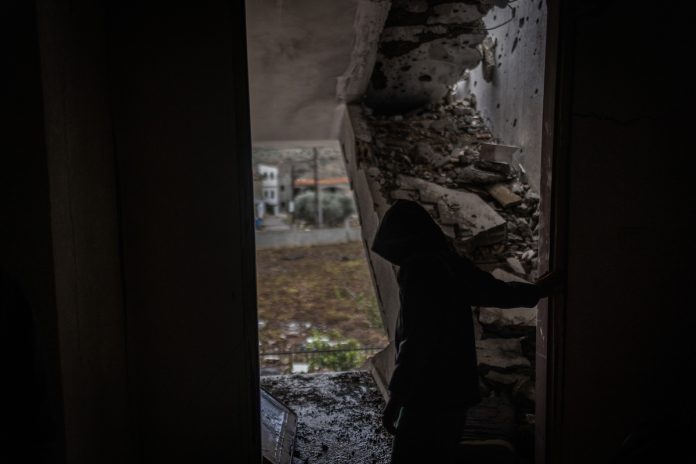
The National Human Rights Commission, including the Committee for the Prevention of Torture, expresses its deep concern over the escalating and ongoing Israeli attacks against Lebanon.
The experience during the 2024 war demonstrated that the resilience of Lebanon’s health system rested on three fundamental pillars:
First: Preparedness for mass casualties, through the adoption of effective triage systems, strengthening hospital surge capacity, organizing referral pathways, activating emergency coordination mechanisms, and conducting regular drills and simulation exercises.
Second: Preparedness for mass displacement, by ensuring the continuity of healthcare services for families forced to leave their homes—particularly patients with chronic conditions such as those requiring dialysis or cancer treatment—along with maternal and child health services, and the provision of medications and primary healthcare.
Third: Effective logistical management, by anticipating needs in advance, securing supply chains, and preventing shortages of essential medicines and medical supplies.
The Commission commends the pivotal role undertaken by the Ministry of Public Health, particularly through the Public Health Emergency Operations Center, as well as the extraordinary dedication of healthcare workers who managed crises under highly complex conditions. The Ministry’s post-war review, entitled “Emerging from the Crisis: The Health Sector’s Response and Lessons Learned from the 2024 War on Lebanon,” constitutes an important reference for strengthening preparedness and readiness for any potential shock.
Repeated Israeli attacks have demonstrated that hospitals, ambulances, healthcare workers, and first responders may become direct targets, in clear violation of international humanitarian law. The protection of medical facilities and their personnel is not optional; it is a binding legal obligation on all parties to a conflict. Any attack against them may constitute a serious violation of international law and, in certain cases, may amount to war crimes.
The Commission stresses that the true victims of any escalation are civilians—particularly the most vulnerable groups, including persons with disabilities, older persons, children, displaced individuals, as well as persons deprived of their liberty who rely entirely on the State to guarantee their right to healthcare.
Pursuant to its mandate under Law No. 62/2016, the Commission affirms the importance of ensuring the continuity of healthcare within places of detention, prisons, and holding centers—especially in emergencies—as this forms an integral part of preventing torture and ill-treatment.
The Commission calls for:
-
Full respect for the provisions of international humanitarian law and the protection of healthcare facilities, personnel, and emergency medical services.
-
Immediate measures to ensure the continuity of healthcare for displaced persons and the most vulnerable groups.
-
Strengthening preparedness and supply plans to prevent any shortages of essential medicines and medical supplies.
The National Human Rights Commission, including the Committee for the Prevention of Torture, will continue to closely monitor developments and coordinate with relevant national and international stakeholders to ensure the protection of human rights under all circumstances.
هذه المقالة متاحة أيضًا بـ:

