
In light of the ongoing and escalating Israeli aggression against Lebanon and the increasing humanitarian challenges related to the conditions of displaced persons in shelters, the National Human Rights Commission, including the Committee for the Prevention of Torture, has reviewed monitoring and verification reports prepared by its teams, which include commissioners, lawyers, activists, and volunteers. These reports have focused on the ongoing human rights violations under these circumstances, with particular emphasis on citizens’ complaints regarding impounded vehicles.
Complaints and Difficulties:
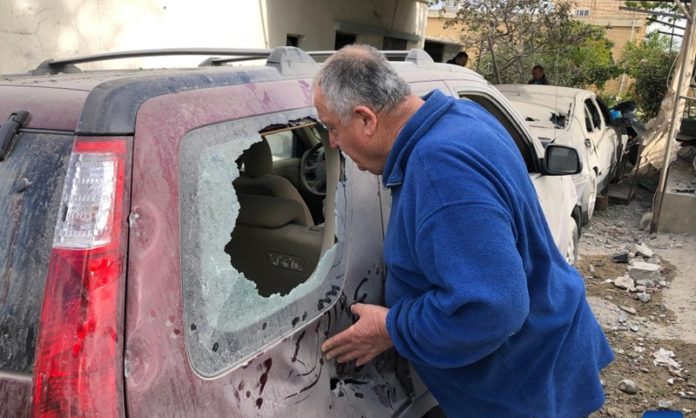
The reports revealed that hundreds of displaced and non-displaced citizens are facing significant difficulties in completing the legal procedures required to retrieve their vehicles, which judicial authorities have impounded.
This is due to several key factors:
- Disruption of Administrative Operations: Delays and disruptions in some government departments prevent citizens from completing the necessary transactions.
- Difficulty in Transportation: Vehicle owners cannot travel, especially given the current security and economic conditions.
Reference to Legal Precedents:
Drawing on the exceptional measures adopted by the official authorities during the COVID-19 pandemic, the National Human Rights Commission calls for a similar approach based on equality before the law and ensuring everyone’s right to legal protection. This request aligns with the international humanitarian principles binding on Lebanon, particularly those outlined in the Universal Declaration of Human Rights, including Articles 1, 5, 7, 12, and 17.
Call for Immediate Action:
In this context, the National Human Rights Commission urges the judicial and executive authorities to:
- Develop an urgent procedural framework that allows for the immediate release of the impounded vehicles in their current condition.
- Accelerate the legal processes to ensure citizens’ rights to recover their property.
- Avoid legal accountability: Encourage authorities to avoid potential legal liabilities, whether criminal or civil, if they fail to respond to these legitimate demands.
The Commission emphasizes the importance of swift and serious action to address these rightful complaints, ensure respect for human rights, and foster trust between citizens and authorities during this critical period.
هذه المقالة متاحة أيضًا بـ:

