

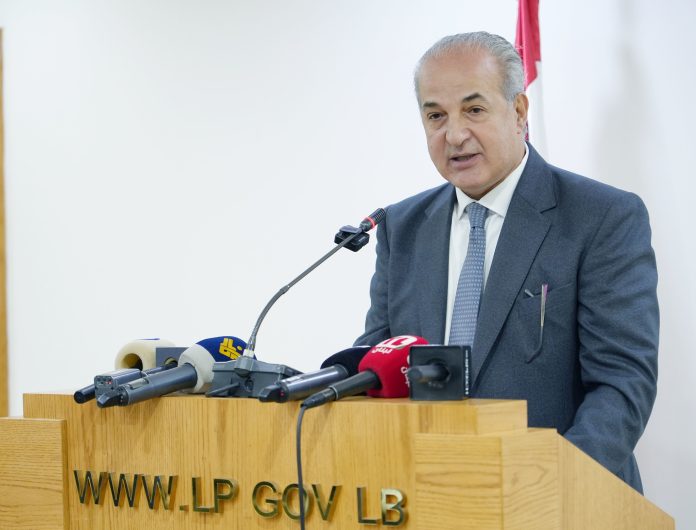
Gerges: The plan is a national commitment that cannot be fulfilled without activating the commission, approving its decrees, and ensuring implementation and accountability.
In an official national ceremony organized by the General Secretariat of the Lebanese Parliament, in cooperation with the Presidency of the Parliamentary Human Rights Committee and the Coordination Committee for the Preparation of the National Human Rights Plan, the National Human Rights Plan in Lebanon 2026–2030 was launched today at the public library hall of the Parliament, coinciding with the commemoration of Human Rights Day.
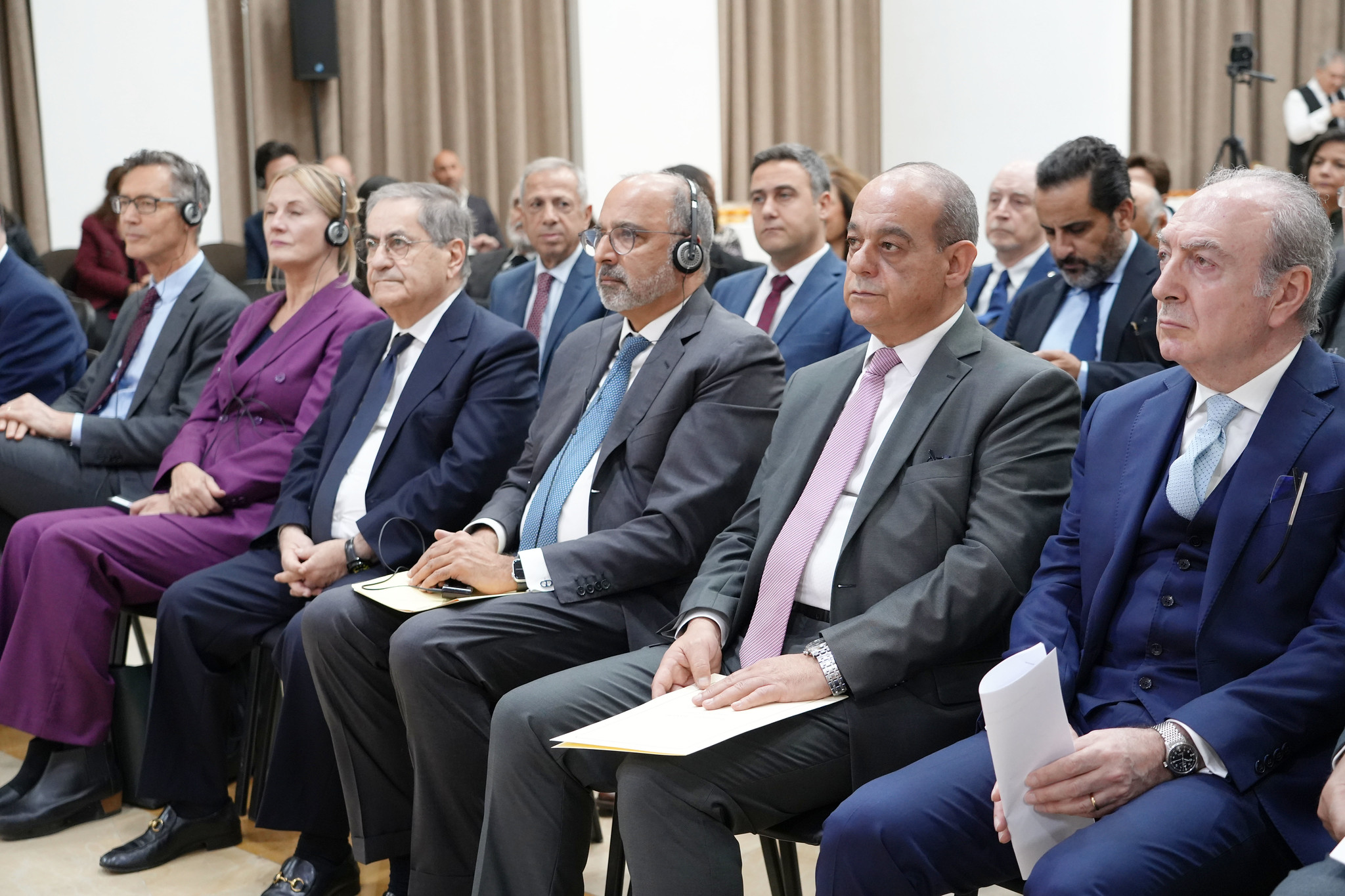
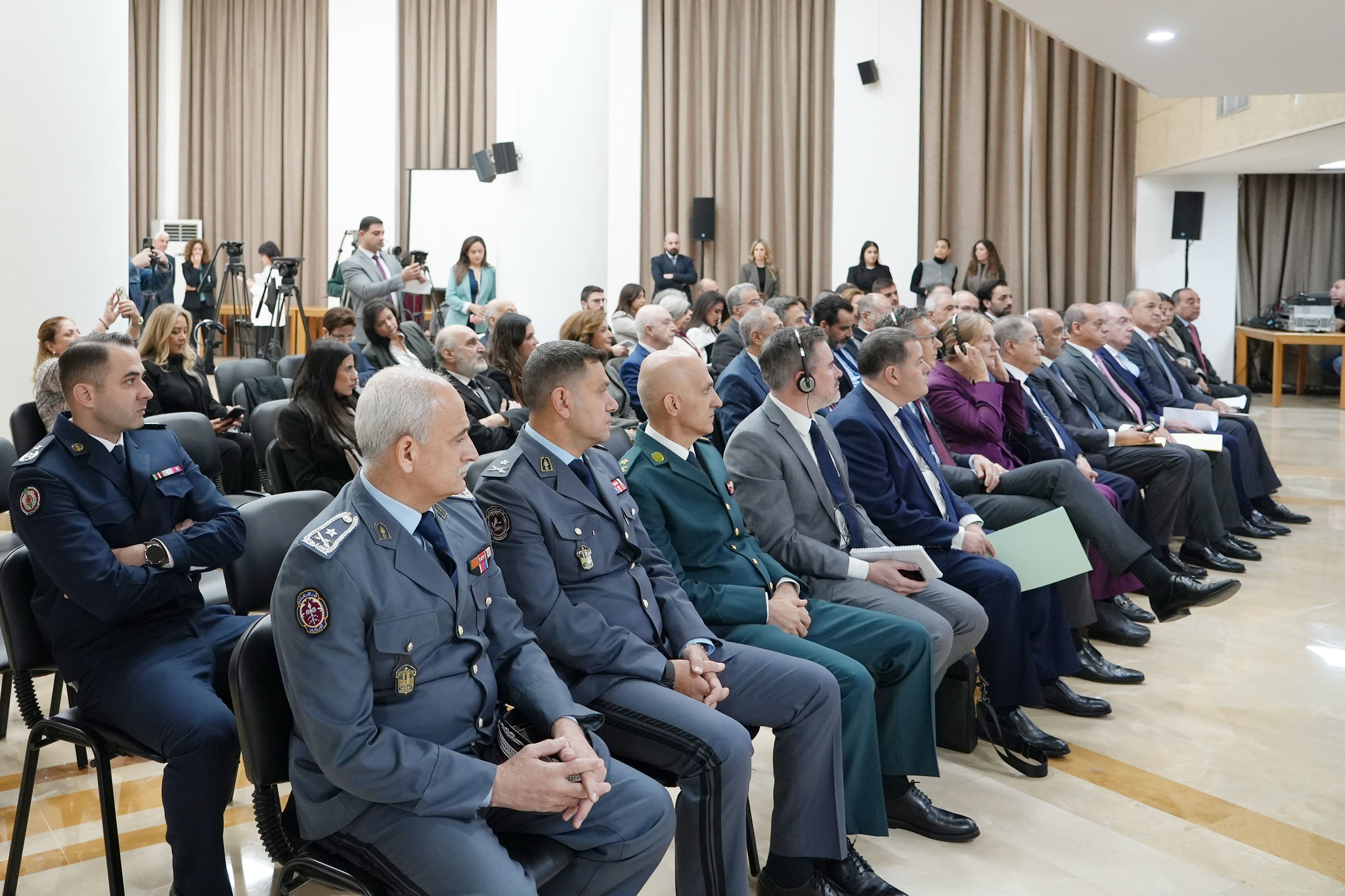
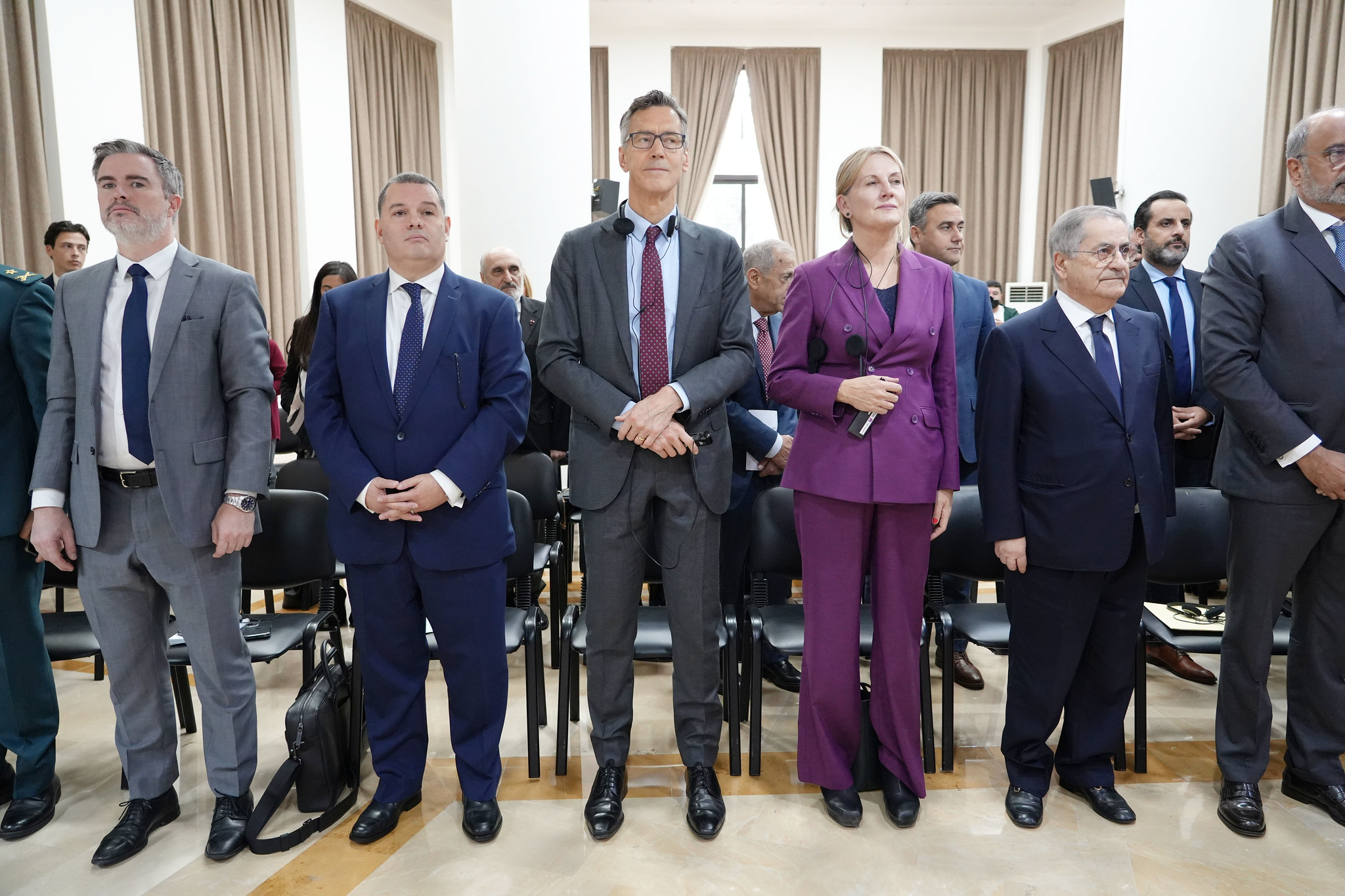
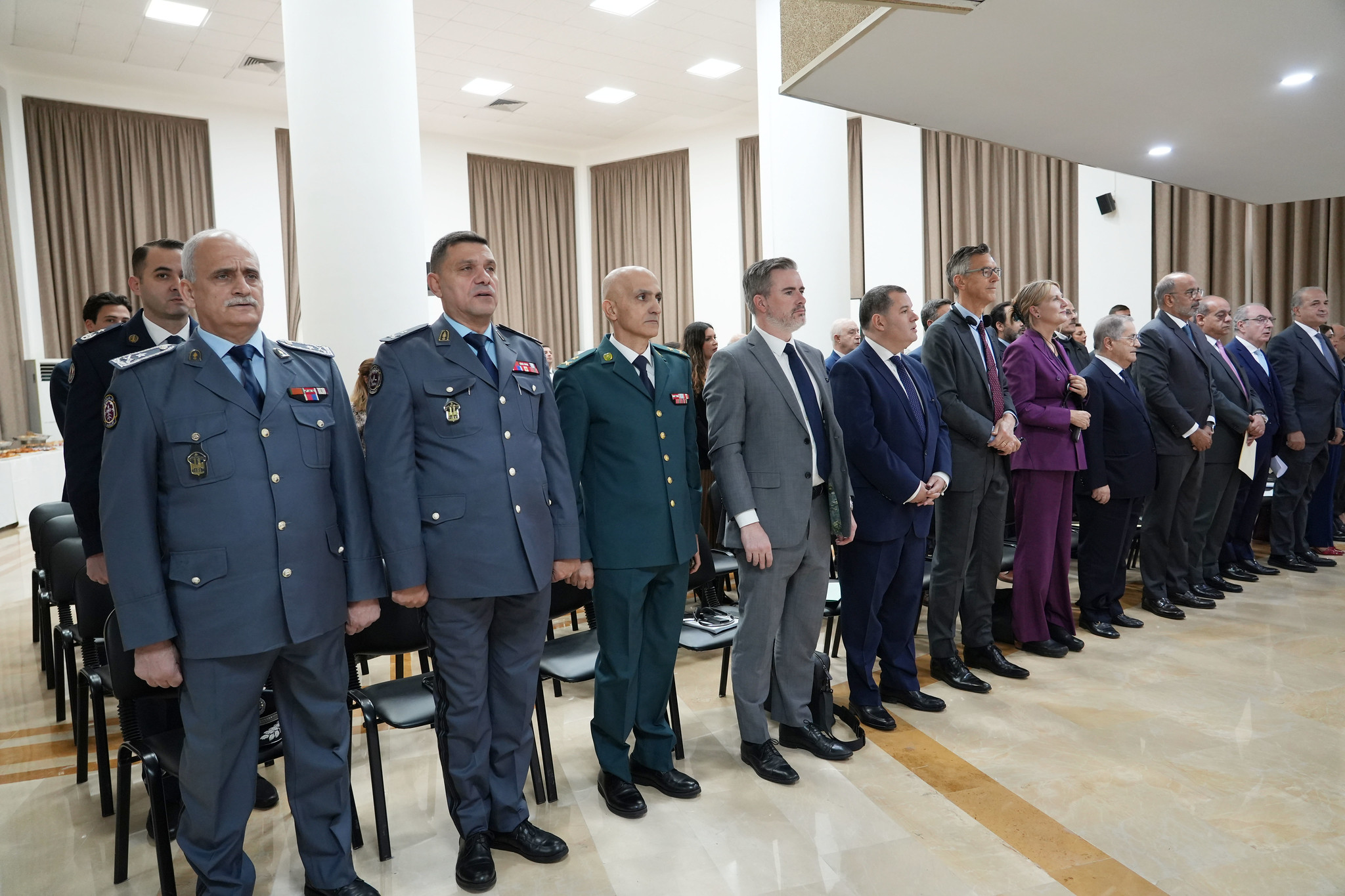
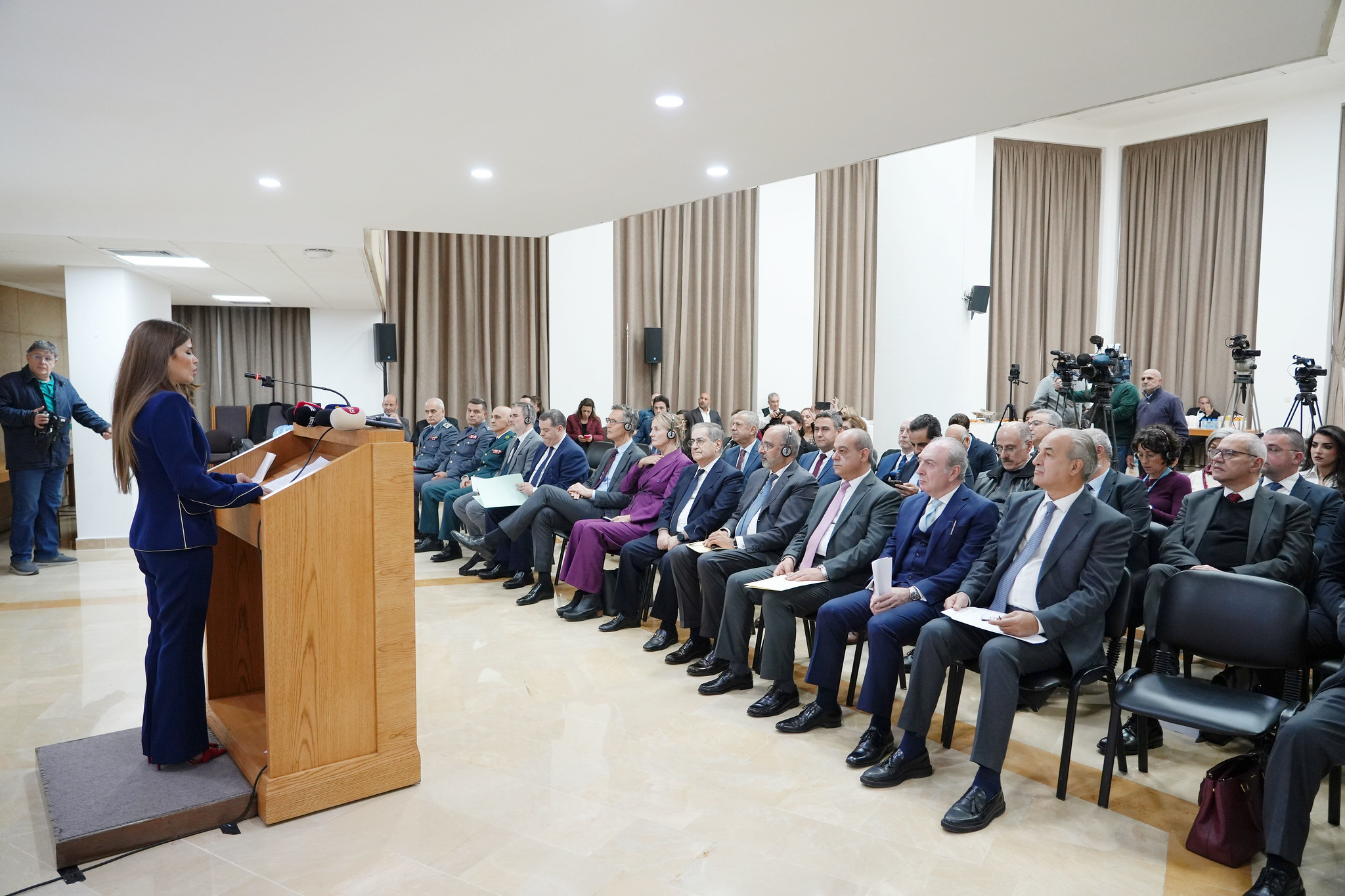
The ceremony was attended by the Chair of the Parliamentary Human Rights Committee, MP Michel Moussa, the Committee Rapporteur, MP Nazih Matta, and other committee members, along with the representative of the Presidency of the Council of Ministers, Ms. Aya Al-Zein, observer at the Prime Minister’s Office. Also present were the UN Resident and Humanitarian Coordinator in Lebanon, Mr. Imran Riza; the President of the National Human Rights Commission, Dr. Fadi Gerges; representatives from the Higher Judicial Council and the Ministry of Foreign Affairs and Emigrants; in addition to various official, judicial, social, and civil figures.
An update to the plan and a translation of international commitments
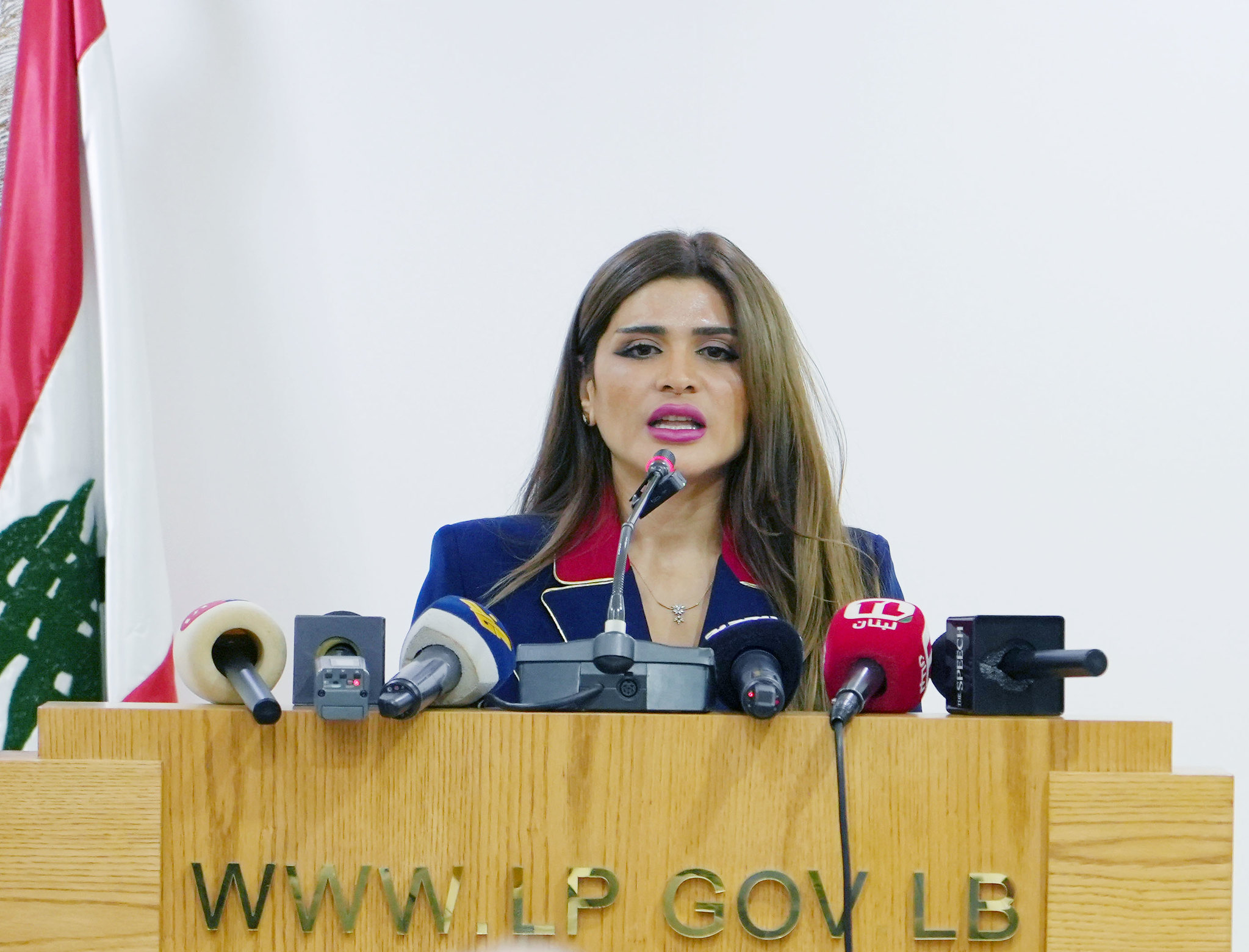
Ms. Aya Al-Zein delivered a speech on behalf of the Presidency of the Council of Ministers, in which she said:
“We gather today in the presence of ‘human beings and their rights,’ on the International Human Rights Day, a date chosen by the Parliamentary Human Rights Committee to launch the National Human Rights Plan 2026–2030. This plan comes as an update and development of the first plan, following a deep assessment of lessons learned, aiming to enhance its implementability and alignment with national challenges and international commitments. The coincidence of this launch with the anniversary of the Universal Declaration of Human Rights in 1948 is no accident — it is a reaffirmation that human rights are the foundation of the Lebanon we dream of: Lebanon of justice, dignity, and equality.”
She added:
“The process of updating and preparing this plan has been a model of participatory and transparent public work. The Presidency of the Council of Ministers had the honor of close cooperation with the Parliamentary Human Rights Committee, all coordination committee members, civil society bodies, and international organizations. We are also announcing the launch of this plan on the threshold of the fourth Universal Periodic Review (UPR) of human rights scheduled for January 2026. This plan represents a direct response and a practical step toward implementing many of the recommendations requested in previous sessions. Let us not forget that human rights are the backbone of sustainable development and at the core of its goals — the right to health, the right to education, gender equality, and others are not only rights but also developmental goals that cannot be achieved without a solid human rights foundation.”
She continued:
“Today’s plan serves as an operational roadmap to translate Lebanon’s international commitments into practical steps within a comprehensive reference framework that covers civil, political, economic, social, and cultural rights. However, its launch is just the beginning; real success starts with implementation. We are fully aware of the complex challenges our country faces today — economic, social, political, and security-related. Yet we firmly believe that ‘no crisis should ever justify the violation of human dignity and fundamental rights.’ Our Lebanese Constitution enshrines these principles, and its preamble commits to UN charters and the Universal Declaration of Human Rights. Our government, in its ministerial statement, pledged to respond to citizens’ aspirations, protect their freedoms, security, and fundamental rights, and work towards building a state of law — a state loyal to the Constitution and the National Accord Document. A state that believes in justice for all, without exception or negligence. A state committed to approaching women’s issues from a rights-based perspective and equality in citizenship. A state working to meet the needs of young men and women.”
She concluded:
“Today we reaffirm our commitments, fully aware that they cannot be achieved without cooperation between the legislative and executive branches. The success of this plan requires harmony between legislative will and executive responsibility. We also emphasize the vital role of civil society as a partner in evaluation, follow-up, and accountability, and the role of international organizations in providing technical and financial support and strengthening the state’s capacity to meet new human rights standards.”
A practical framework for implementation
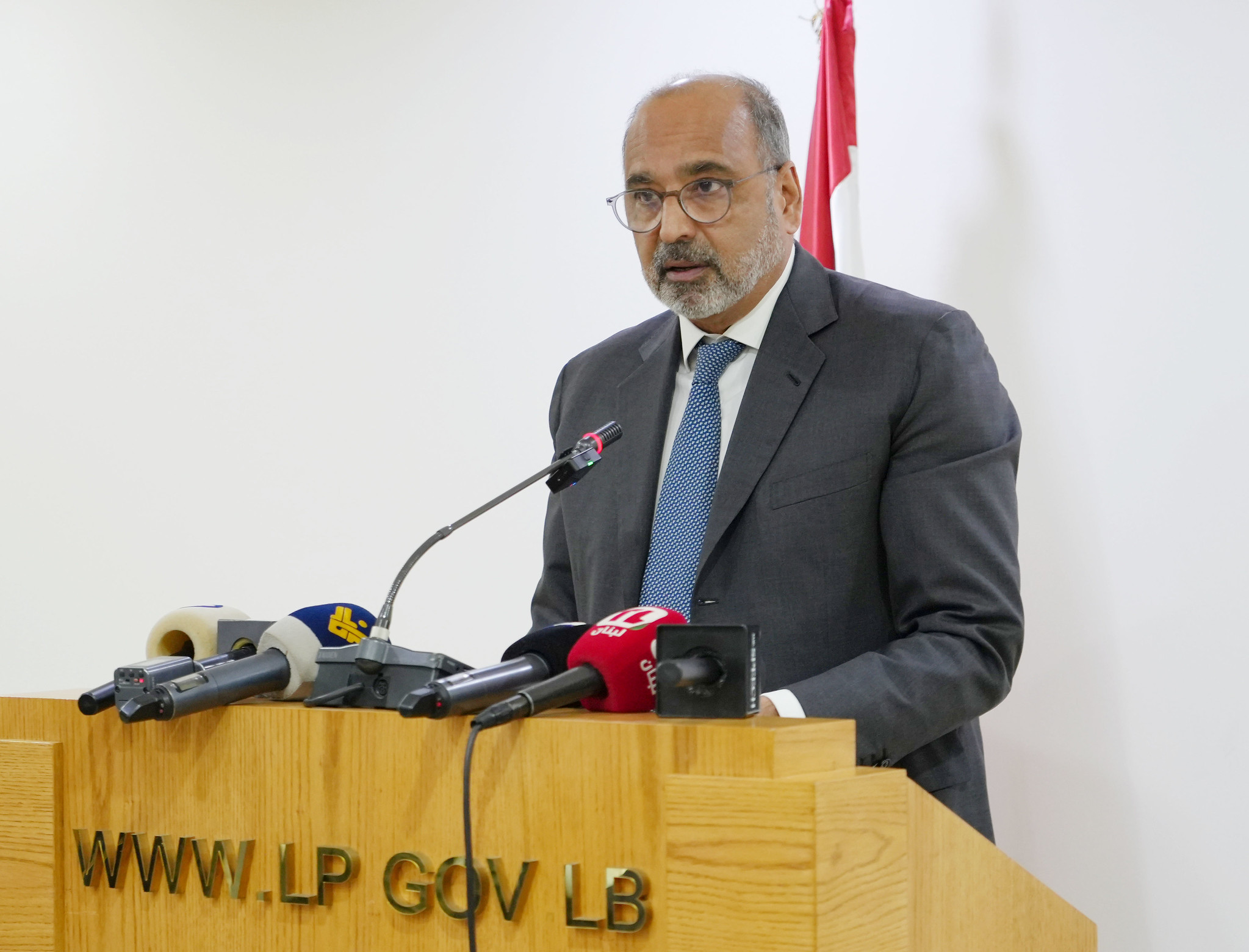
Then the United Nations Resident and Humanitarian Coordinator in Lebanon, Imran Riza, spoke and said:
“It is an honor to join you today for the launch of the National Human Rights Plan in Lebanon — a key milestone for the country and for everyone working to advance dignity, justice, and equality. This event carries added significance as it coincides with International Human Rights Day, commemorating the UN General Assembly’s adoption of the Universal Declaration of Human Rights in 1948. This plan is not just a document — it is a national roadmap that merges Lebanon’s constitutional and international obligations with the Sustainable Development Goals, translating them into practical and tangible priorities that contribute to advancing the rights and freedoms of everyone living in Lebanon. What distinguishes this plan is that it is human-centered at its core. It addresses the rights of both Lebanese and non-Lebanese people, including children, women and girls, persons with disabilities, refugees, migrant workers, and marginalized groups — ensuring no one is left behind. It also provides a clear framework to strengthen public institutions, uphold the rule of law, and reinforce the principles of accountability, transparency, and effectiveness.”
He added:
“This achievement is the result of a comprehensive participatory process. The Lebanese Parliament, ministries, public institutions, and civil society organizations worked together to shape a plan that reflects Lebanon’s priorities and aspirations. This sends a strong message that human rights are not just an abstract ideal, but a foundation for rebuilding trust and strengthening social cohesion. As Lebanon faces deep economic and social pressures, making policy choices rooted in human rights is not only a principled decision — it is also a practical one. Effective implementation of this plan paves the way for recovery, stability, and good governance. Let me congratulate all our national partners and the coordination committee for leading this process with clear vision and determination.”
He continued:
“The launch of this plan also reflects the strength of the partnership between Lebanon and the United Nations. It was developed with the support of the UN Office of the High Commissioner for Human Rights and the UN Development Programme, both of which will continue working with public institutions to turn these commitments into concrete actions and steps. The entire UN team in Lebanon remains by your side throughout this process.”
He concluded:
“Today marks an important beginning. The real challenge — and the real impact — lies in implementation, in allocating sufficient resources, and in continuous monitoring. I call on all partners to work together to ensure this plan does not remain ink on paper, but becomes a living tool that makes a difference in people’s lives. Together, we can make Lebanon’s vision — built on dignity, justice, and equality — a reality.”
A national partnership and on-the-ground oversight
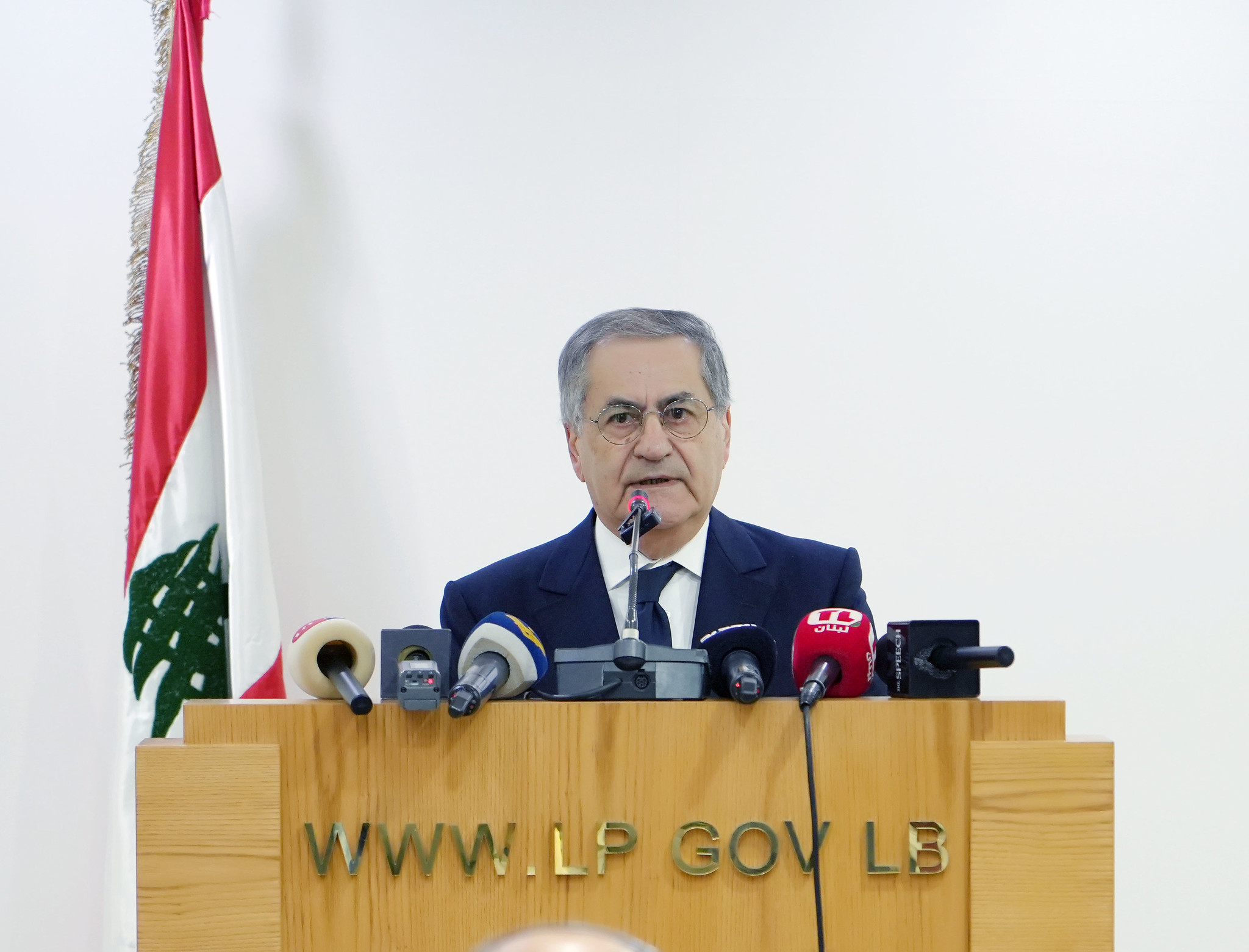
The Chair of the Parliamentary Human Rights Committee, MP Michel Moussa, also gave a speech in which he said:
“We meet today to present the National Human Rights Plan — the result of a genuine partnership between the Parliamentary Human Rights Committee, relevant ministries, official institutions, civil society organizations, and experts. This was made possible thanks to essential support from the United Nations Development Programme (UNDP), which has long accompanied this process by providing the necessary expertise and technical support, as well as from the Office of the High Commissioner for Human Rights.”
He added:
“Allow me first to express my deep gratitude to all those mentioned for their contributions through extensive discussions, revisions, and preparations over dozens of sessions, under the constant guidance of the technical coordination team. The update of the National Human Rights Plan comes at a critical time, as Lebanon and the world face worsening conditions in the field of human rights. This may lead some to despair or to doubt international laws and agreements, but in reality, we must approach this issue with seriousness and realism. Despite local, regional, and global challenges, our commitment to the Universal Declaration of Human Rights must remain unwavering, and its standards must continue to guide our policies and legislation. Global experience has shown that countries that sincerely work to promote human rights standards are more successful in achieving stability, building trust between citizens and the state, and opening up economic and social opportunities.”
He continued:
“This plan was developed based on the current realities in Lebanon and a careful analysis of the challenges people face across various sectors, amid unprecedented economic, social, and political pressures. The plan includes 23 core files covering all aspects of life, addressing fundamental rights, issues concerning the most vulnerable groups, legislative and institutional frameworks, and the development of administrative and legal mechanisms to ensure clearer standards and stronger safeguards. These files were developed through extensive legislative and technical discussions involving representatives from various fronts to arrive at a shared and effective approach.”
He said:
“Today, the Parliamentary Human Rights Committee is working tirelessly to activate these principles, monitor field realities, and collaborate with experts to improve adopted methodologies — ensuring the transition from theoretical plans to actual implementation. We believe that improving the legislative and institutional environment is a key condition for achieving the desired change. We have taken an important step by presenting this updated version of the plan, but much work remains, especially in light of growing challenges and escalating violations around the world — particularly the ongoing Israeli attacks on Lebanon. Through our partnership with the international community, we strive for Lebanon to remain part of the global system that defends the oppressed and confronts violations wherever they may be — especially Israeli aggression against Lebanon — because protecting human beings is not merely a technical issue but a moral choice and a cornerstone of any political or economic renaissance. We hope the international community remains faithful to its values, that these values are not weakened by political interests and power balances, and that it continues to stand with the oppressed and support efforts to protect human beings wherever they are.”
He concluded:
“We affirm that the National Human Rights Plan is not just a document — it is a vital reform step and an ongoing process that requires commitment, will, and collective effort. Today, we launch this plan with a renewed spirit, hoping it will be a turning point that re-establishes human rights as a fundamental pillar for building a more just and equitable Lebanon. Thank you to everyone who contributed to this plan and its launch today.”
International commitment and the role of the judiciary
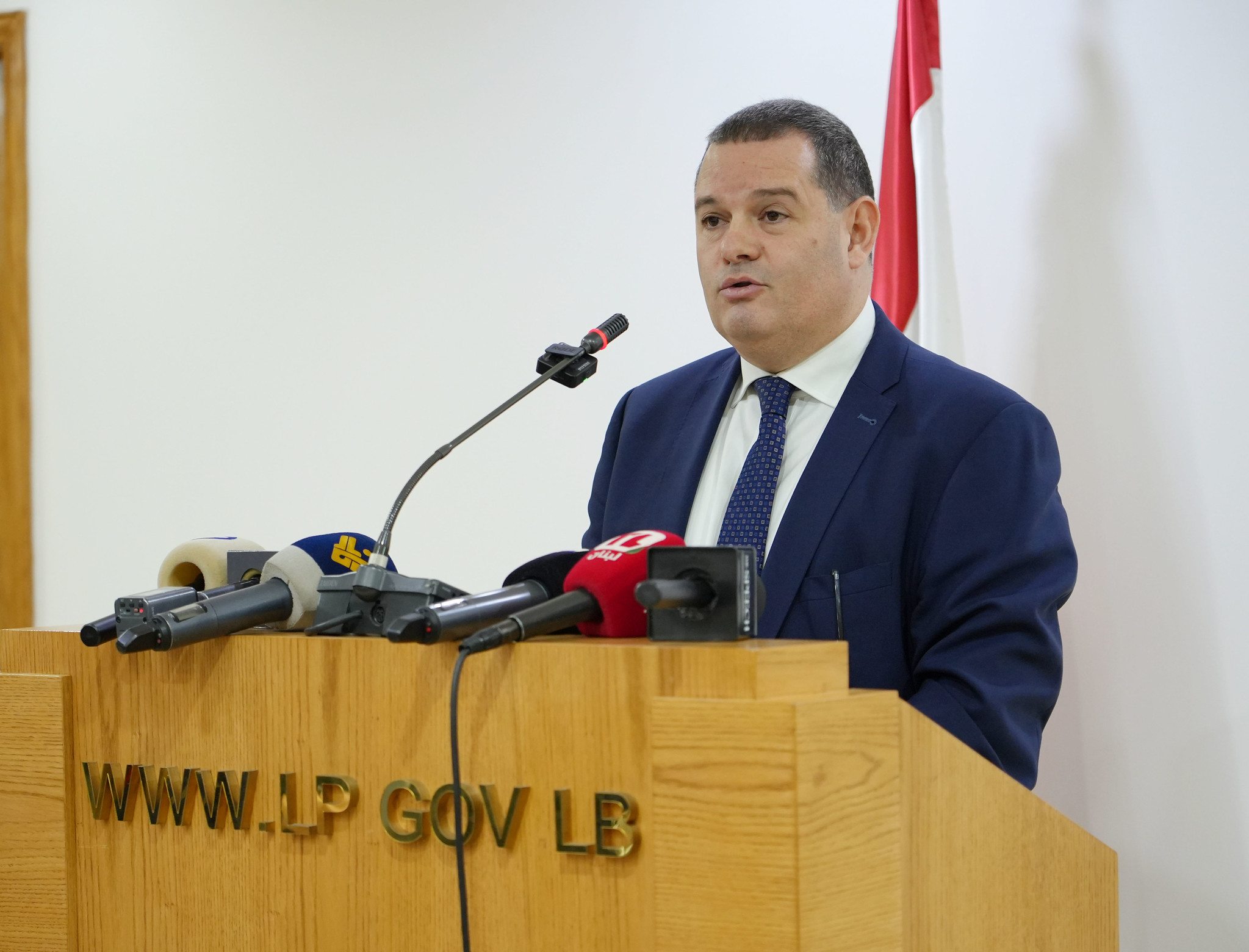
Next, the representative of the Ministry of Foreign Affairs and Emigrants, Ambassador Rayan Saïd, spoke and noted that:
“The plan comes at a sensitive and dangerous time. Globally, the international human rights framework is facing severe challenges — most notably the proliferation of bloody conflicts and the evasion by influential powers of their commitments in this regard, which leads to the hollowing out of international humanitarian law and the dominance of the logic of force over human values and international law. Added to this is the decline of democracy in many parts of the world, which naturally affects the extent to which states uphold human rights.”
He added:
“On the local level, you — the esteemed audience — are well aware of the challenges besieging the nation. This plan comes to reaffirm to the Lebanese people and the world that Lebanon remains committed, despite all the difficulties and obstacles, to the noble values of human rights — values to which Lebanon had the honor of contributing during the drafting of the Universal Declaration. It also reaffirms Lebanon’s commitment to the rule of law and public freedoms, as well as its support for international human rights mechanisms.”
He pointed out that:
“We must build on the momentum this plan provides, and its success depends on the seriousness of its implementation and follow-up, on the level of cooperation among all state institutions and civil society, and on the support of international mechanisms to overcome the obstacles that stand in the way.”
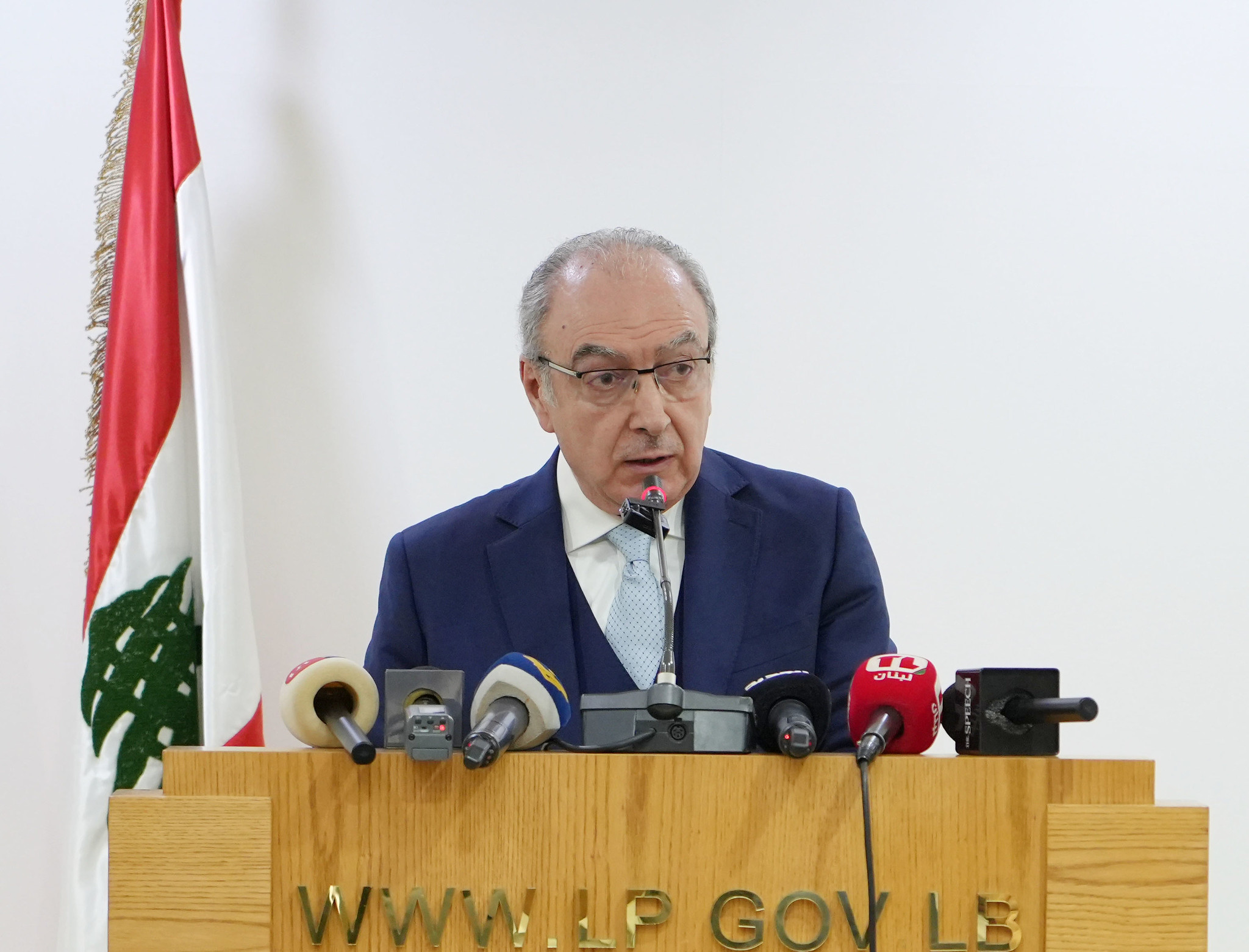
As for the speech of the Higher Judicial Council, it was delivered by Judge Habib Rizkallah, who emphasized the pivotal role of the judiciary as the final guarantor of justice and the protector of rights and freedoms. He affirmed that judicial independence is a fundamental condition for guaranteeing citizens’ rights and announced the Council’s readiness to cooperate with various authorities and institutions within the constitutional and legal framework to achieve the goals of the National Plan.
He pointed out that “what distinguishes this plan is that it is the result of joint efforts between constitutional institutions, official bodies, civil society organizations, experts, and researchers.” He considered that “the judiciary, by virtue of its constitutional position and independence, is a cornerstone in the protection of human rights, and as the final guarantor of justice, it is the refuge individuals turn to when rights are violated.”
He added that “the Higher Judicial Council today reaffirms its commitment to strengthening the capacities of the judiciary through continuous training on national and international standards, developing judicial mechanisms, and supporting jurisprudence that protects rights and freedoms. It also emphasizes the importance of strengthening judicial oversight of detention facilities, affirming the guarantees of fair trials, and combating corruption wherever it exists.” He stressed that “judicial independence is not a privilege for judges, but a guarantee for the citizen.”
He continued: “We fully understand that launching the National Human Rights Plan is a key and vital step, but its success lies in implementation, follow-up, and evaluation. In this regard, the Higher Judicial Council expresses its readiness to cooperate with the various concerned authorities and institutions within the limits of the Constitution and applicable laws to contribute to achieving the plan’s objectives.”
A call to activate the National Human Rights Commission
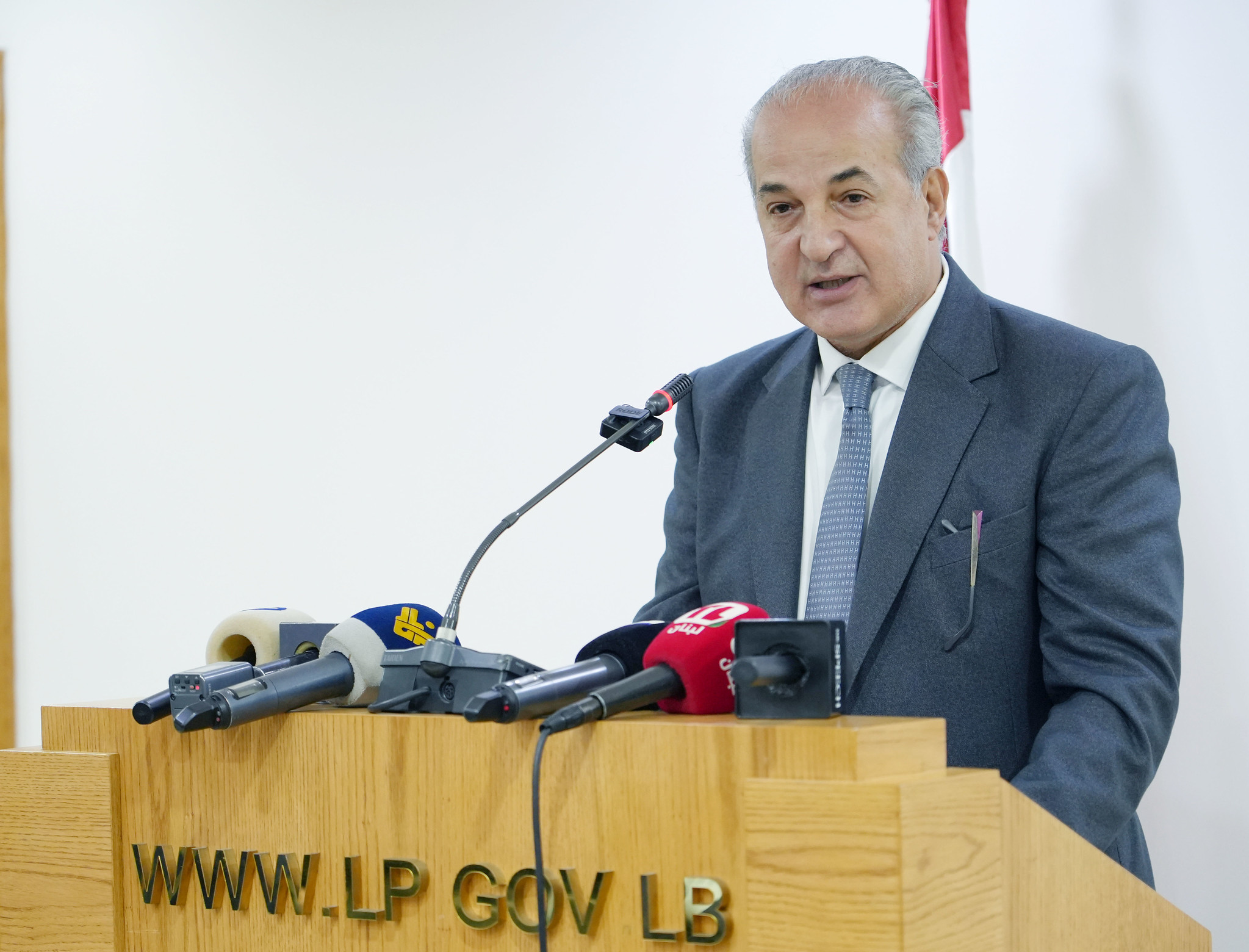
In his speech during the ceremony, Dr. Fadi Gerges, President of the National Human Rights Commission, stressed that the launch of the 2026–2030 National Human Rights Plan marks a pivotal national milestone, affirming that the plan is “not merely a procedural document, but a shared vision and a path of commitment that places human rights at the core of Lebanese public policy.”
Gerges pointed out that Lebanon has faced cumulative crises in recent years that directly impacted citizens’ lives and their fundamental rights — from economic and social collapse to the decline in public institutions’ performance. He emphasized that this stage requires deep reforms to rebuild trust between citizens and the state, and to reinforce justice, equality, and the rule of law.
He explained that the National Human Rights Commission actively participated in updating the new plan, in collaboration with official, parliamentary, and civil institutions. He recalled that Law No. 62/2016 established an independent national body dedicated to protecting and promoting human rights and serving as a key partner in implementing Lebanon’s constitutional and international obligations. He stressed that the government remains obligated to enforce this law and enable the commission to fully carry out its duties.
Gerges stated that the success of the plan’s implementation hinges on five core criteria:
-
A clear legislative endorsement by Parliament that renders the plan binding.
-
Alignment with Lebanon’s international commitments to ensure access to remedies.
-
Addressing current and potential violations through realistic and time-bound measures.
-
A participatory and transparent approach involving state institutions, civil society, and international bodies.
-
Ongoing review and updates to keep the plan adaptable to change.
He proposed organizing an annual national conference on December 10 (Human Rights Day) to review the human rights situation, based on the Commission’s annual report, in a way that strengthens regular accountability and inclusive dialogue — similar to the Universal Periodic Review (UPR) mechanism of the UN Human Rights Council.
Regarding Lebanon’s upcoming UPR in Geneva early next year, Gerges reminded the audience that Lebanon has repeatedly pledged to activate the National Commission and adopt its governing decrees. He questioned why, after seven years since the commission’s creation, these decrees have still not been passed, warning that this paralysis undermines the Commission’s ability to monitor the plan’s implementation.
He called on President Joseph Aoun and Prime Minister Nawaf Salam to issue the necessary directives to expedite the referral of the decree on members’ salaries to the Cabinet for approval, especially after the issuance of the Commission’s internal and financial regulations in November 2025. He stressed that this decree is a legal and administrative requirement for the full-time appointment of Commission members for a six-year term and a key step for the Commission’s official accreditation with the Global Alliance of National Human Rights Institutions (GANHRI) under the Paris Principles.
Gerges concluded by affirming that the launch of the plan is the beginning of a journey — not its end — and that the real challenge lies in translating principles into legislation, recommendations into public policies, and commitments into tangible improvements in people’s lives. He emphasized that human rights are not a luxury or a slogan, but a prerequisite for stability, a core of development, and a foundation for socio-economic recovery. The 2026–2030 plan, he said, is a pledge to place the human being at the heart of the state and public policy.
Human at the Core of Legislation
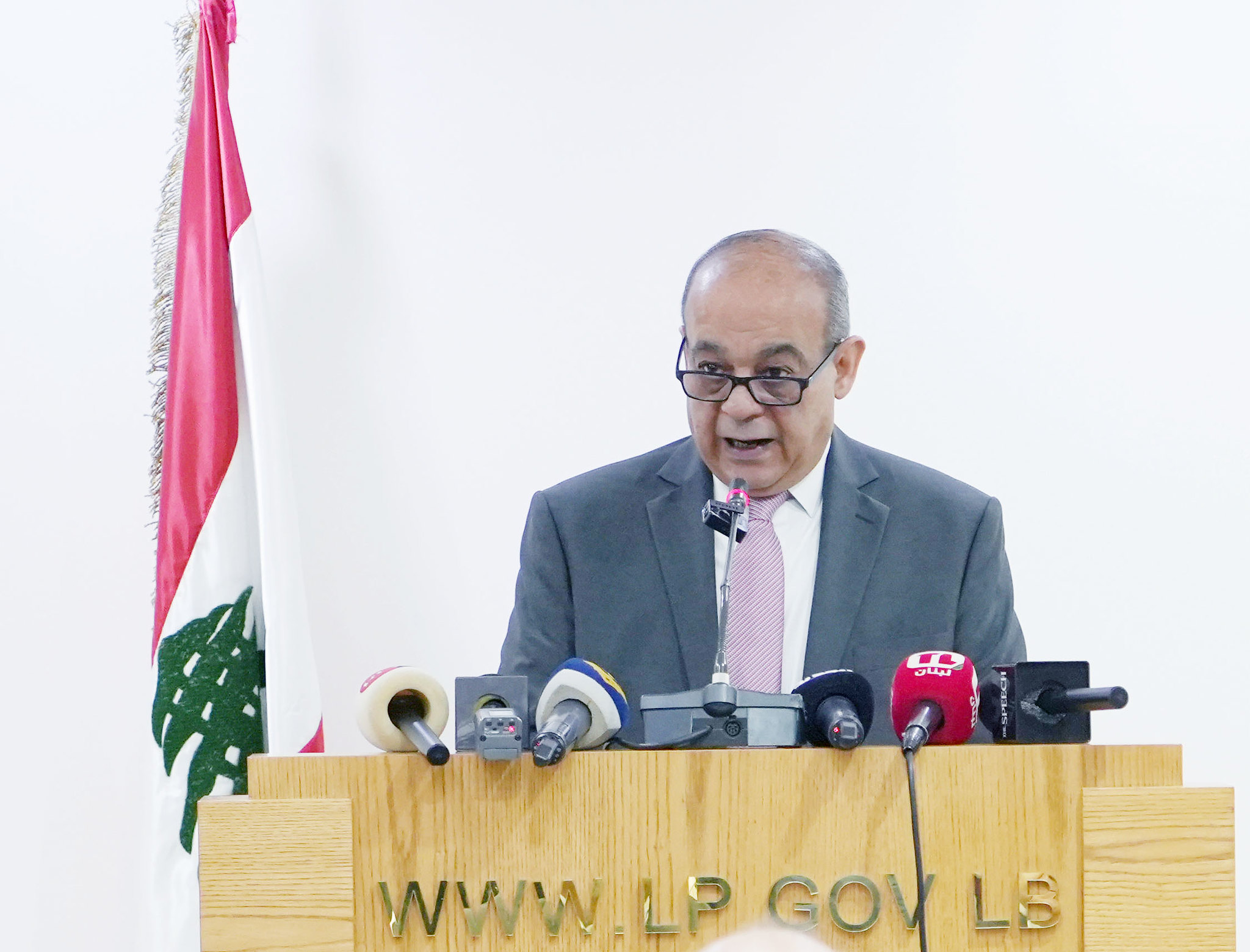
At the conclusion of the ceremony, Mr. Simon Maawad, Director General of the Lebanese Parliament, delivered a speech on behalf of the Secretary General of the Parliament, Mr. Adnan Daher, affirming that the human being is the most valuable entity in existence, and that legislation and laws are the essential tools for protecting dignity and ensuring rights — especially the rights of marginalized and underprivileged groups. He praised the efforts of the Coordination Committee for drafting the National Plan, considering the plan a clear five-year strategy to promote a culture of human rights and to solidify the principles of transparency and accountability in Lebanon.
A Shared Commitment to the Future
The launch of the 2026–2030 National Human Rights Plan represents a concrete embodiment of constructive cooperation between the Lebanese authorities, civil society, and the United Nations. Its aim is to establish a national environment that protects human rights and ensures justice and equality for all segments of society — while emphasizing that the real challenge lies in practical implementation and continuous follow-up, to ensure that principles and commitments are translated into tangible outcomes in people’s daily lives.
هذه المقالة متاحة أيضًا بـ:
 العربية (Arabic)
  Français (French)

