
In a step aimed at strengthening Lebanon’s juvenile justice system and promoting a rehabilitative rather than punitive approach, experts from the National Human Rights Commission of Lebanon, including the Committee for the Prevention of Torture, conducted a monitoring visit on 24 July 2025 to the Wourwar Juvenile Rehabilitation Center for Children in Conflict with the Law.
This first inspection visit aimed to assess the center’s infrastructure, operational conditions, and readiness to receive juveniles.
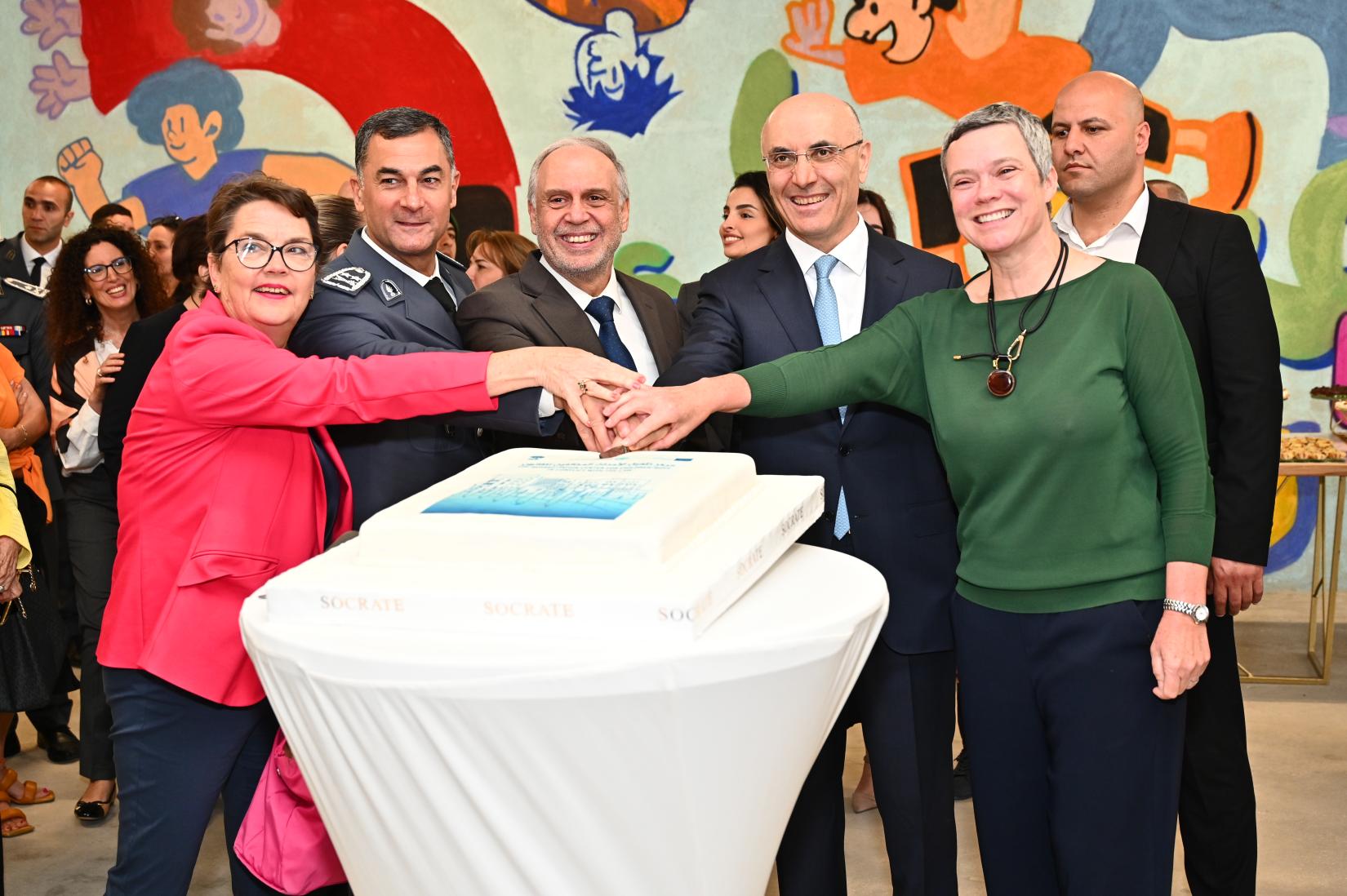
The center was officially inaugurated on 28 May 2025 through a joint initiative involving the Ministry of Interior and Municipalities, the Internal Security Forces, the Delegation of the European Union to Lebanon, and the United Nations Office on Drugs and Crime (UNODC). The project seeks to provide a safe and structured environment for the rehabilitation of juveniles in conflict with the law, in line with international child rights standards and best practices in rehabilitation and social reintegration.
The initiative also builds on an earlier effort launched in 2003, when UNODC supported the establishment of a rehabilitation center for girls near Dahr El-Bachek Hospital, marking an important step toward a juvenile justice system in Lebanon that is more gender-sensitive and grounded in children’s rights.
A New Center… Yet to Become Fully Operational
Upon arrival, the visiting team was received by the officers on duty and met with the service officer responsible for the center. During the introductory meeting, staff explained that officers have been assigned to the facility for about six months, but the center has not yet begun receiving juveniles or operating in practice, despite having opened approximately two months earlier. The delay was attributed to administrative and organizational reasons.
The center consists of two main buildings. The first is an older structure previously used by a counter-terrorism unit and has been renovated for administrative purposes. The second is a newly constructed facility dedicated to accommodating and rehabilitating juveniles.
n terms of staffing, the center currently employs 25 officers, including only one female officer, who performs administrative duties and conducts visitor searches. The visiting team considered this number relatively limited in light of the size of the facility and the rotating service schedule, which means that the actual number of staff present at any given time may be significantly lower.
Initial Reception Rooms Still Reflect a Detention Environment
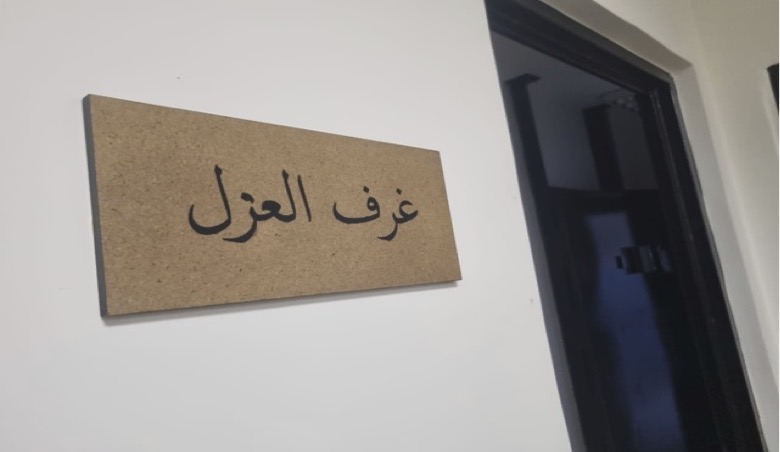
During the inspection of the administrative building, the team observed several rooms designated for the initial reception period of juveniles, which may last up to 15 days after admission.
However, these rooms were previously used as temporary detention cells when the building belonged to the judicial police, and they have not undergone substantial modifications to suit their new purpose.
The team noted several concerns, including:
-
Metal beds not fixed to the floor, which could raise safety issues.
-
Insufficient ventilation inside the rooms.
-
Absence of certain basic facilities, such as televisions or small kitchen units found in the long-term accommodation rooms.
-
Isolation rooms lacking shower facilities, which could be problematic in cases involving illness or contagious conditions.
The visiting team concluded that maintaining these rooms in their current state may reinforce a perception of incarceration rather than rehabilitation.
Educational and Vocational Facilities for Reintegration
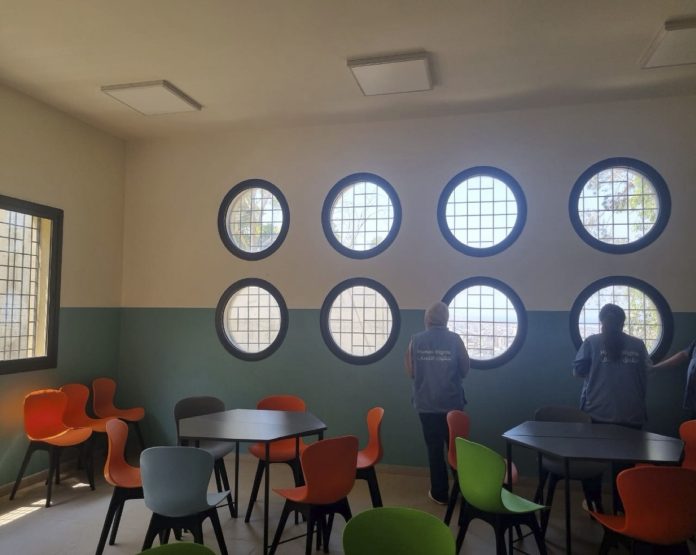
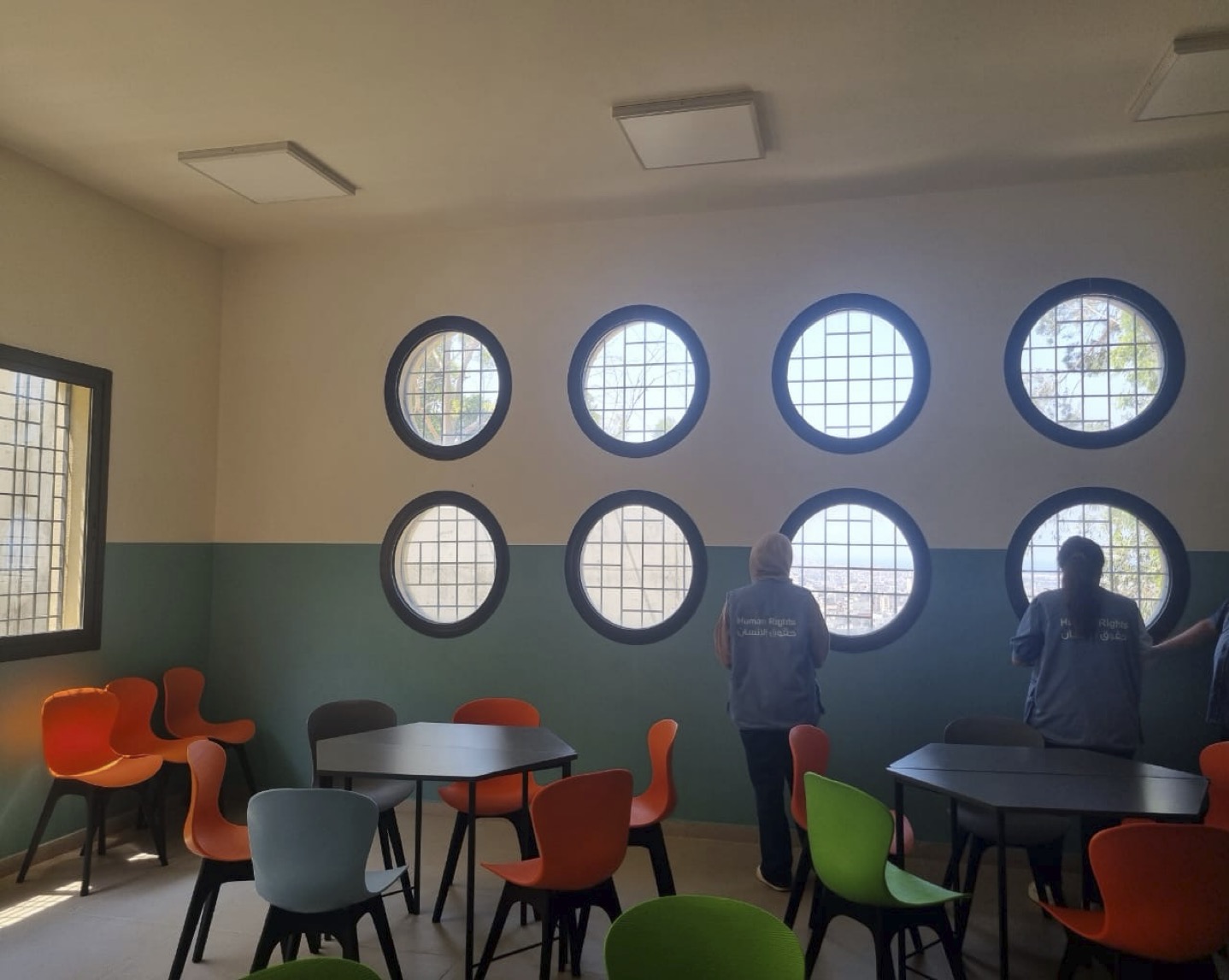
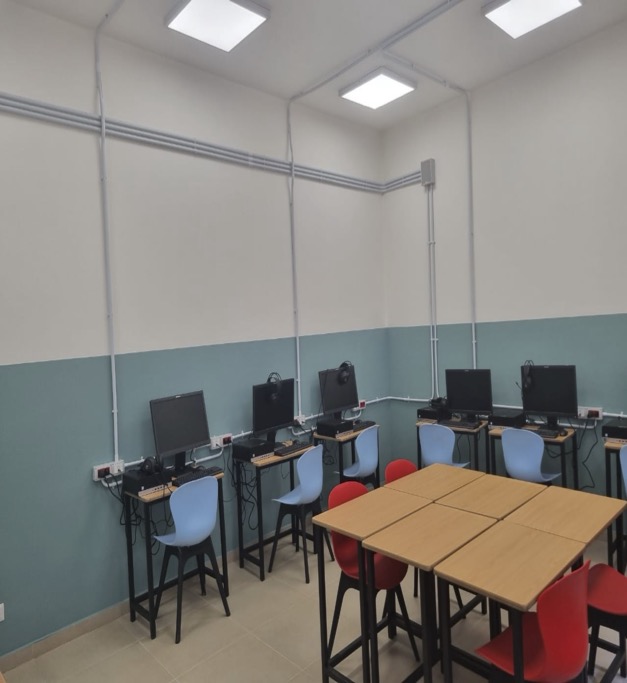
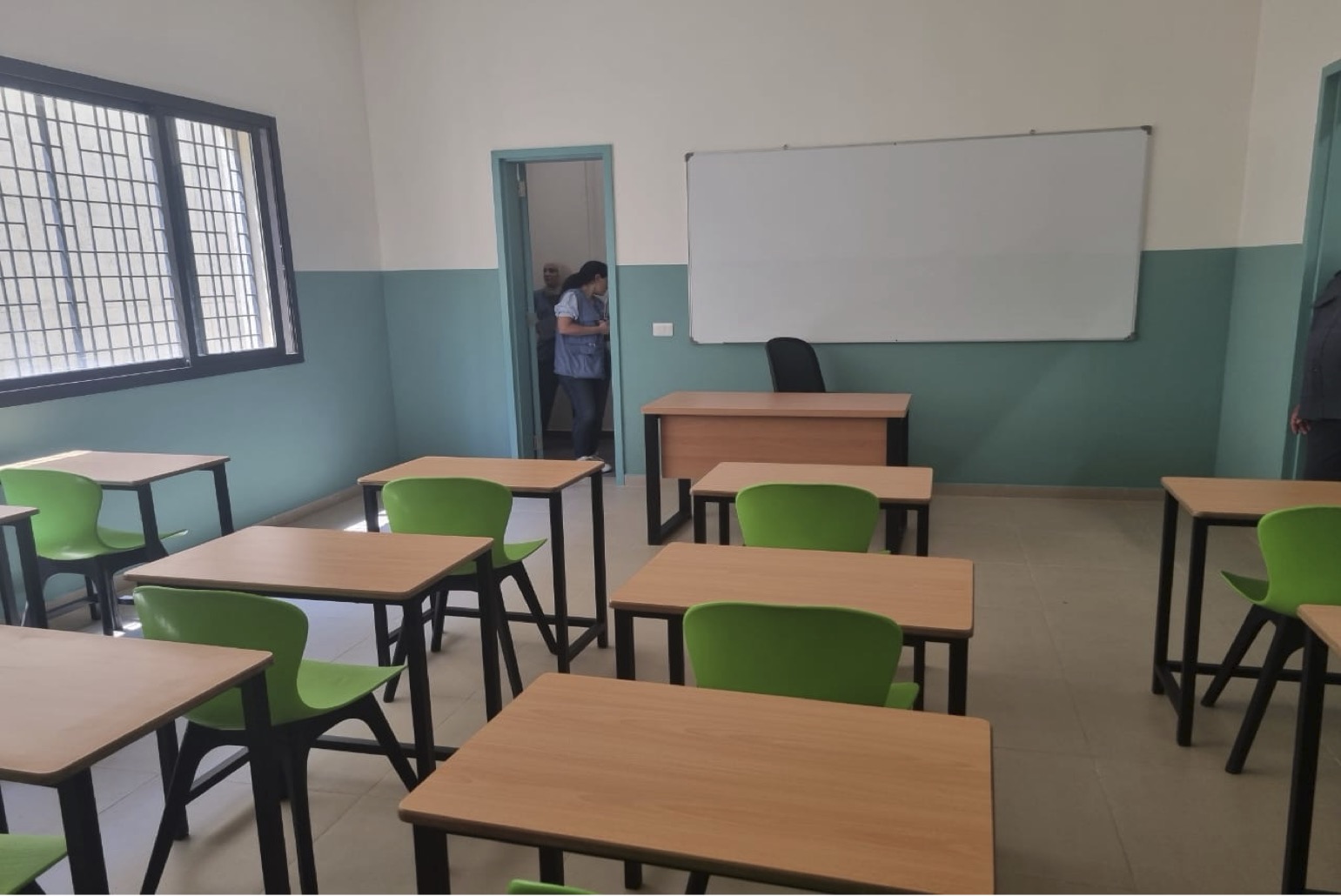
In contrast, the newly built residential building reflects a more modern vision centered on education and vocational training as tools for rehabilitation and reintegration.
The building includes two main wings and several specialized facilities, including:
-
Residential rooms for juveniles
-
A library
-
A literacy classroom
-
Computer and creativity rooms
-
A training kitchen
-
A music education room
-
Vocational workshops
-
A small agricultural training area
-
Three sports fields
However, the team observed that most of the books in the library are in foreign languages, with very few Arabic titles available, and many are intended for younger age groups than those expected to be housed in the center.
Workshops Equipped with Outdated Tools
The building’s basement houses several vocational workshops designed to provide practical training, including:
-
Metalworking
-
Carpentry
-
Solar energy and heating systems
-
Electrical and plumbing installations
-
Barbering
-
Music training
-
A training kitchen
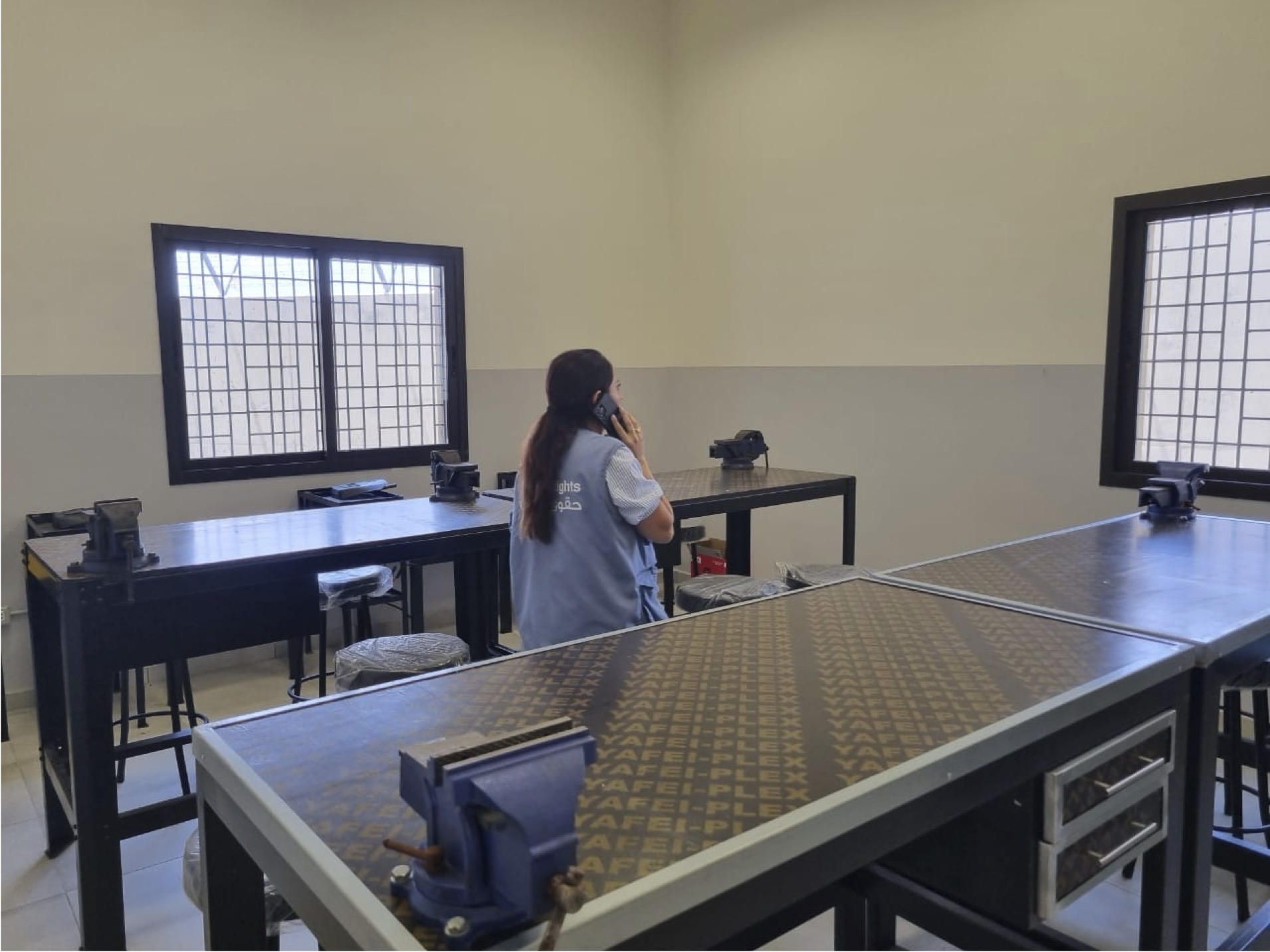
Many of the workshop tools were reported to have been transferred from Roumieh Prison, and several appear outdated. In addition, the workshops lack adequate ventilation systems, air extractors, and cooling devices, potentially creating uncomfortable or unhealthy working conditions.
In the music room, several instruments appeared damaged or affected by rust, and ventilation was again considered insufficient.
Recreational and Agricultural Spaces
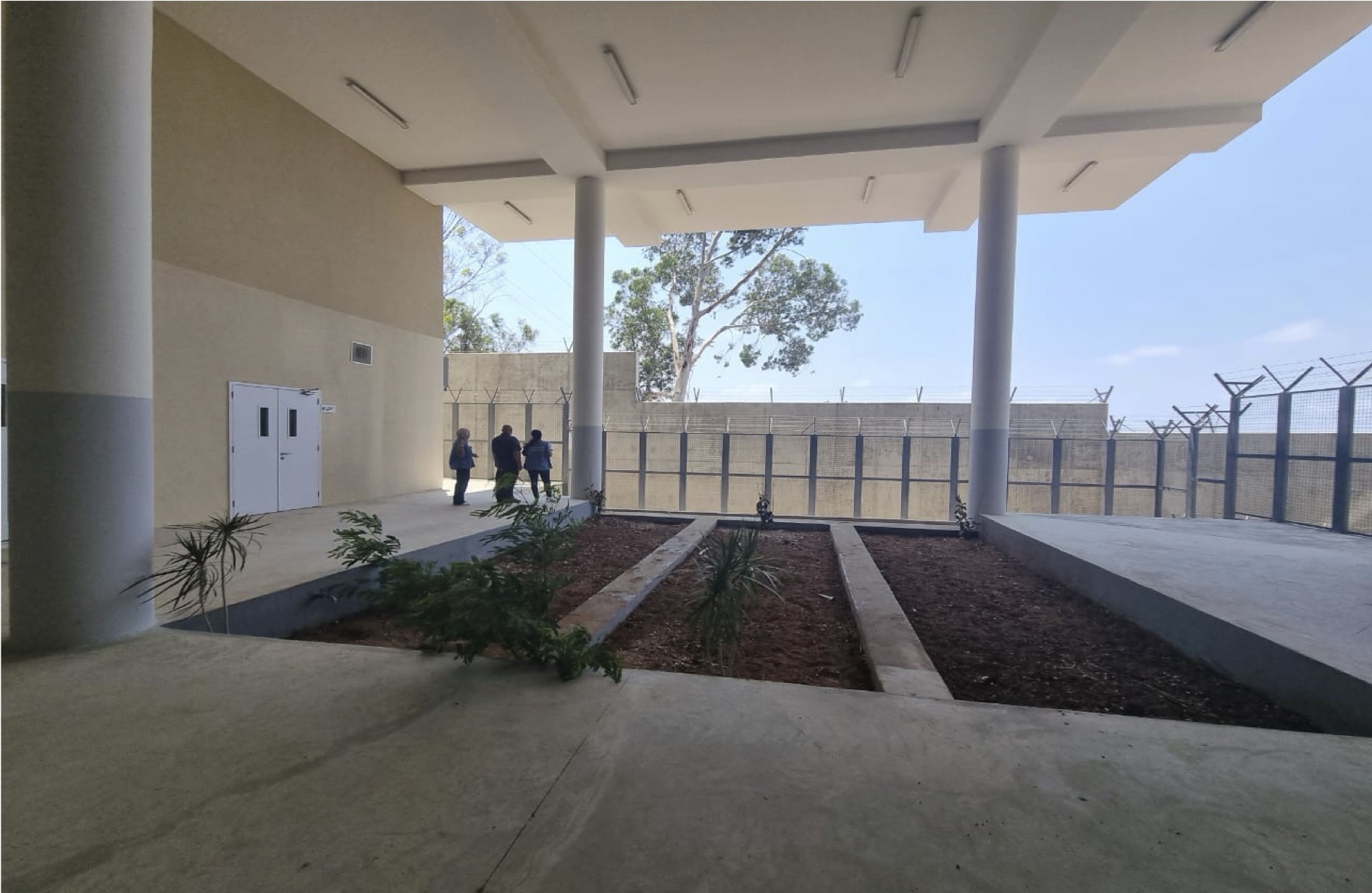
The center also includes a small agricultural training plot, although the team questioned whether such a limited space could realistically accommodate training for the center’s expected capacity of approximately 120 juveniles.
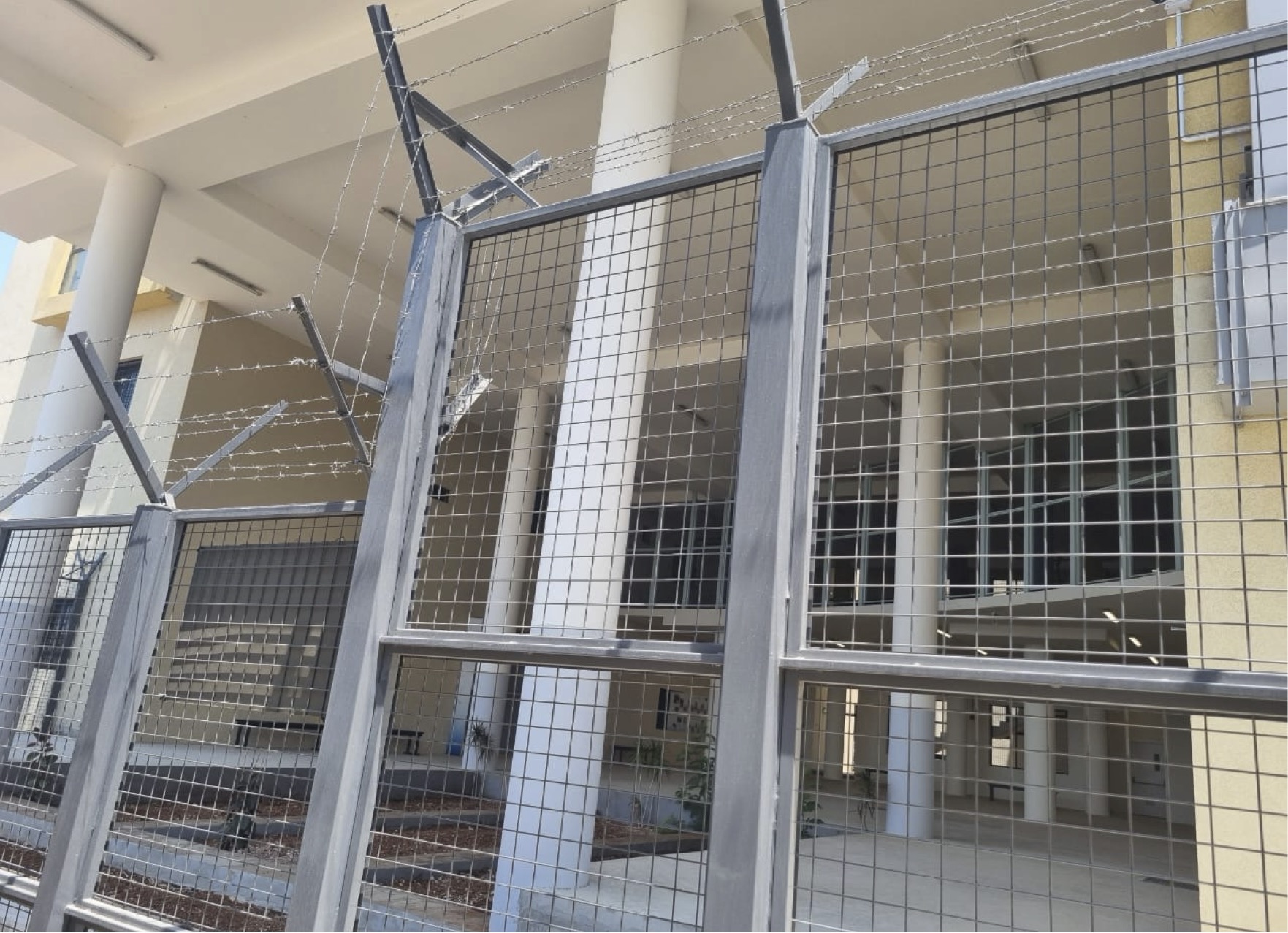
Three sports fields are distributed across the facility, including one on the ground floor, another on the first floor equipped with exercise equipment, and a third on the rooftop used for football and basketball. However, the team noted that the fencing surrounding these fields is relatively low and not sufficiently robust, which may raise security concerns.
Accommodation Rooms and Technical Observations
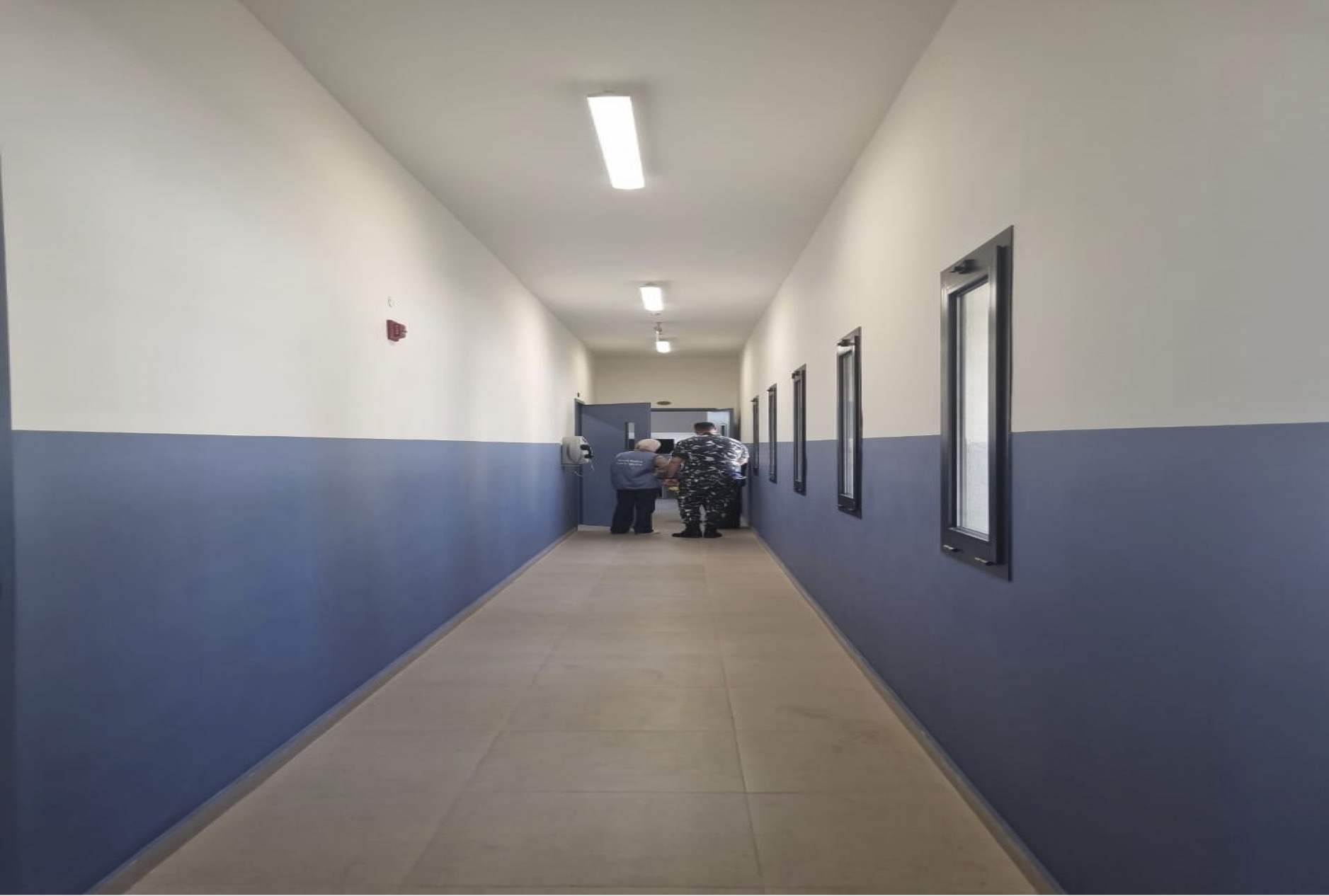
Juvenile accommodation rooms include:
-
Metal beds
-
A small dining table
-
A television
-
A kitchenette with a refrigerator and electric stove
-
A private bathroom
Despite these facilities, the visiting team documented several technical issues, including:
-
Weak ventilation and lack of adequate cooling systems
-
Poorly positioned drainage pipes that could lead to water leakage
-
Fragile door locks requiring repeated maintenance
-
Insufficiently secure window bars and proximity of some windows to the external fence
-
Absence of surveillance cameras in the corridors
-
Visible plumbing installations in the bathroom ceilings despite the building’s recent construction
Surveillance and Security Gaps
The center includes a room for in-person family visits as well as another room equipped for video communication and remote court hearings.
However, the team identified shortcomings in the distribution of surveillance cameras, noting that several areas are not fully covered and that there are no cameras in corridors or some key facilities. In addition, the center lacks a central monitoring room with a large screen to oversee all cameras continuously.
Operational and Maintenance Challenges
Despite the relatively high cost of the project, the visiting team observed early signs of maintenance needs and humidity leaks in certain areas.
The center also requires:
-
A backup generator to support the solar energy system
-
Full equipment for the medical room
-
A proper waste management system
Currently, no designated waste collection area exists inside the facility, raising concerns that garbage could accumulate near the entrance.
Recommendations for Improvement
At the conclusion of the visit, the National Human Rights Commission team issued several recommendations aimed at strengthening safety, dignity, and rehabilitation conditions, including:
-
Installing adequate cooling and ventilation systems in rooms and workshops
-
Establishing a central surveillance control room
-
Expanding camera coverage to include corridors and workshops
-
Reinforcing and raising perimeter fences
-
Conducting comprehensive maintenance and addressing humidity issues
-
Equipping the medical room
-
Providing Arabic books suitable for different age groups
-
Updating vocational equipment and musical instruments
-
Adding shower facilities to isolation rooms
-
Implementing an effective waste management system
-
Increasing staff numbers, particularly female officers
-
Installing lockers in accommodation rooms for personal belongings
A Promising Facility with Potential
Despite the identified shortcomings, the visiting team emphasized that the Wourwar Juvenile Rehabilitation Center represents an important step toward modernizing Lebanon’s juvenile justice system.
Its success, however, will ultimately depend on transforming the facility into a fully operational rehabilitation environment that prioritizes education, dignity, and reintegration rather than detention.
هذه المقالة متاحة أيضًا بـ:

