
Unannounced monitoring visit reveals serious shortcomings in isolation practices, healthcare, hygiene, security and rehabilitation programmes
The National Human Rights Commission, which includes the Committee for the Prevention of Torture (NHRC-CPT), has called for urgent and coordinated government intervention to address the conditions of children deprived of their liberty at the Rehabilitation Centre for Juveniles in Conflict with the Law in Warwar. The call followed a comprehensive, unannounced monitoring visit conducted by a Commission team on 17 September 2026. In a detailed report, the team identified serious gaps between the legal safeguards afforded to children and the living conditions, care and protection actually available at the Centre.
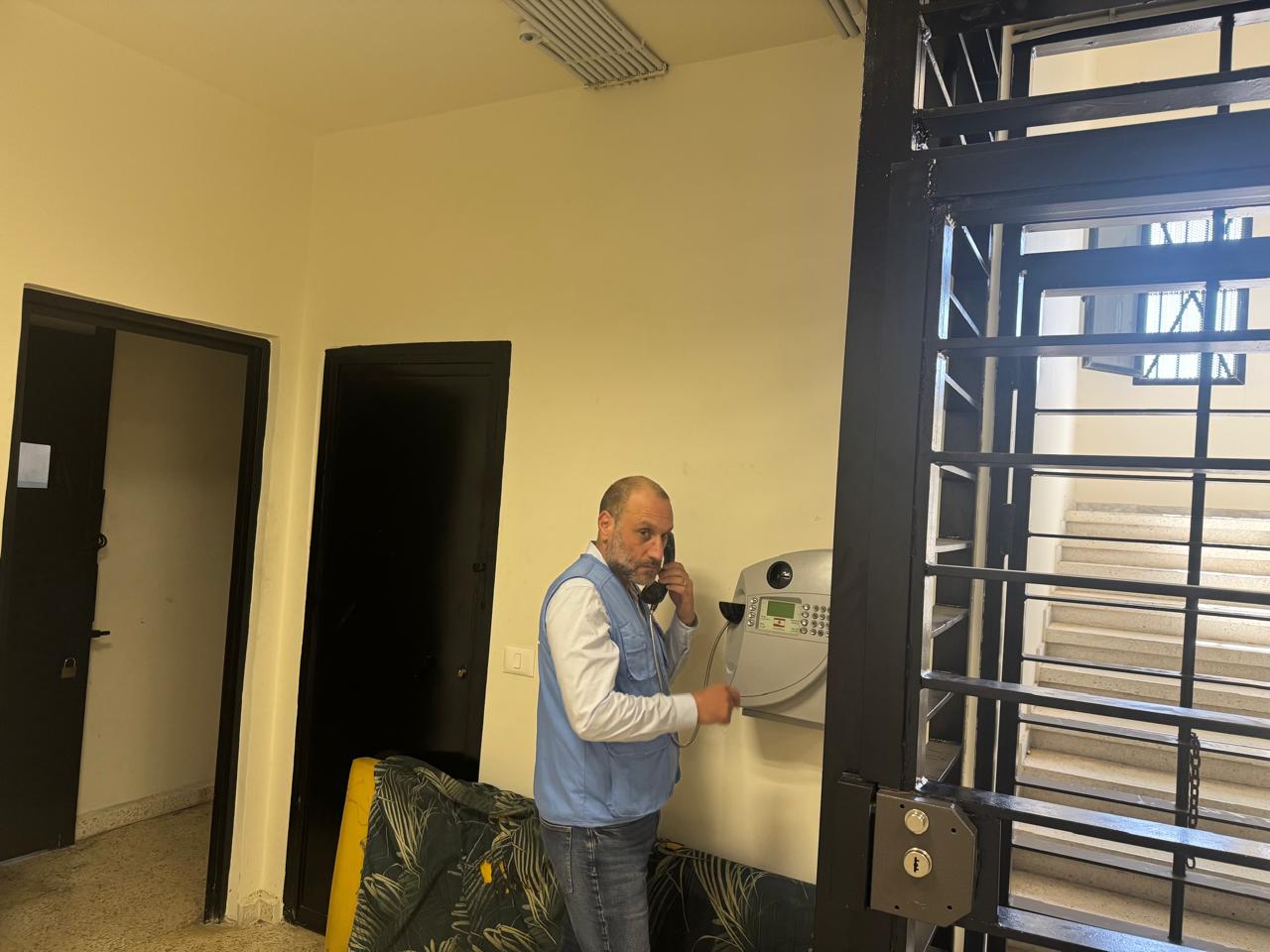
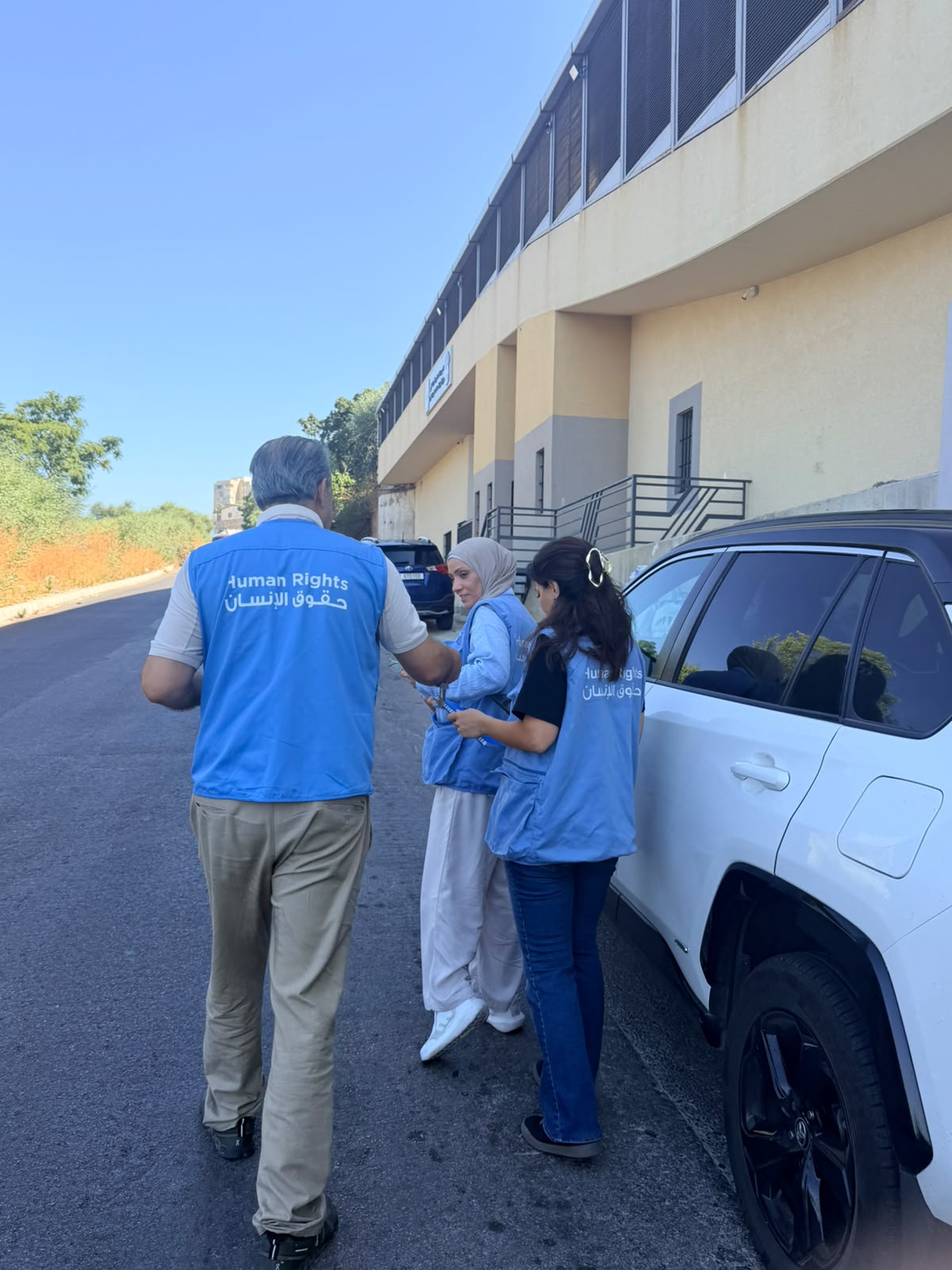
The visiting team comprised the President of the Commission, Dr Fadi Gerges; the Commissioner for International Relations and Media, Bassam Al Kantar; and two legal experts contracted by the Commission, lawyers Nayla Nahle and Nicole Ghanem. The team began its monitoring activities early in the morning, inspecting the residential wings, accommodation and isolation rooms, sanitary facilities, activity and training areas, workshops, playgrounds and visitation room. It also met with the Centre’s Director, Colonel Raed Al-Masri, and social worker Rita Daibes. The team engaged with most of the juveniles at the Centre through group discussions, brief interviews and more detailed individual interviews, and heard from several staff members and officers responsible for security and supervision.
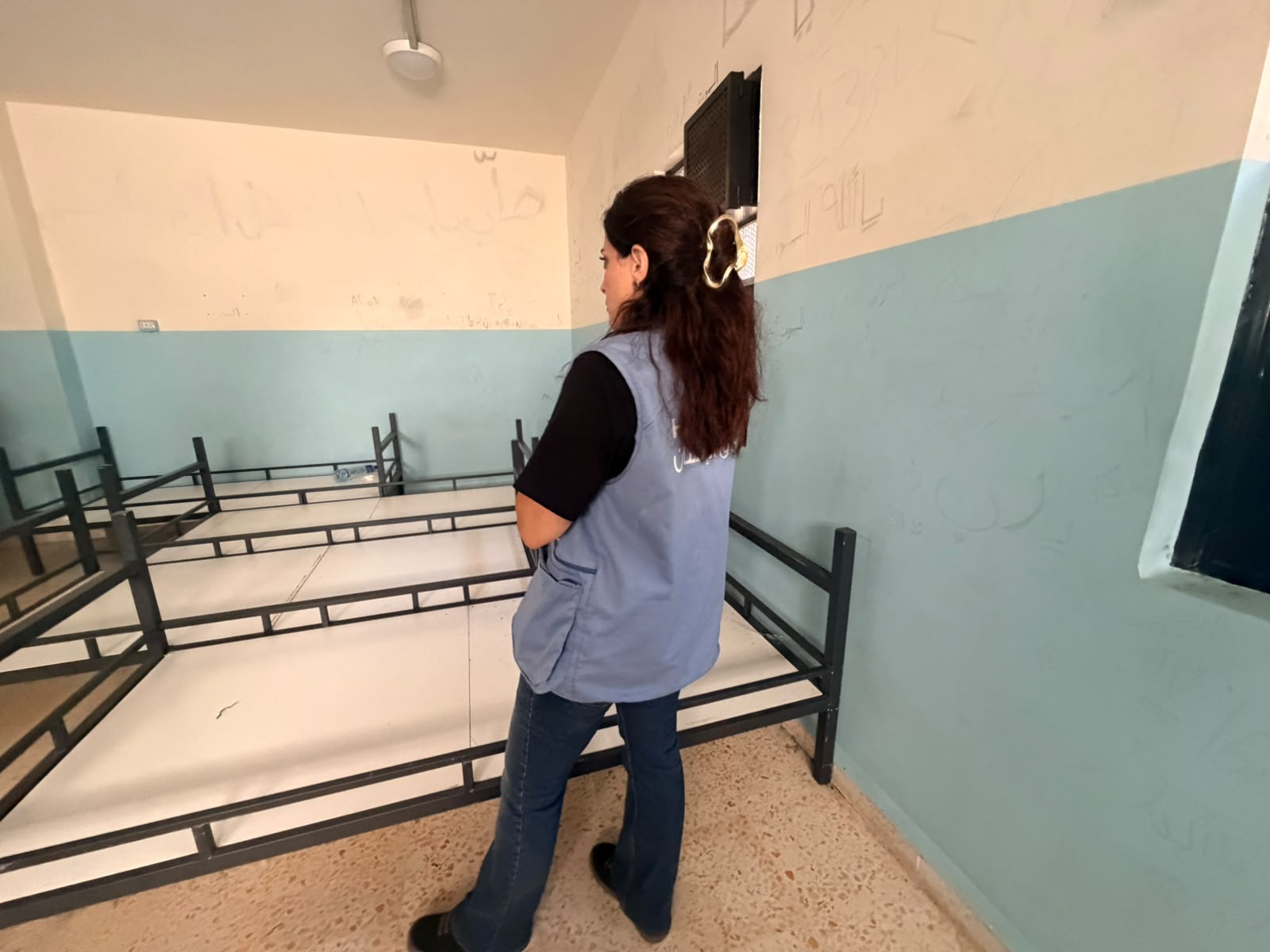
The visit was based on direct observation, interviews and a comparison of the available information with Lebanese law, the Convention on the Rights of the Child, the United Nations Rules for the Protection of Juveniles Deprived of their Liberty—the Havana Rules—the Beijing Rules and other relevant international standards. The report carefully distinguishes between facts directly observed by the team, information provided by the administration and staff, and statements and allegations made by juveniles that require independent investigation. Although the report does not attribute final individual or institutional responsibility before verification is completed, it stresses that the recurrence and seriousness of certain allegations require immediate action.
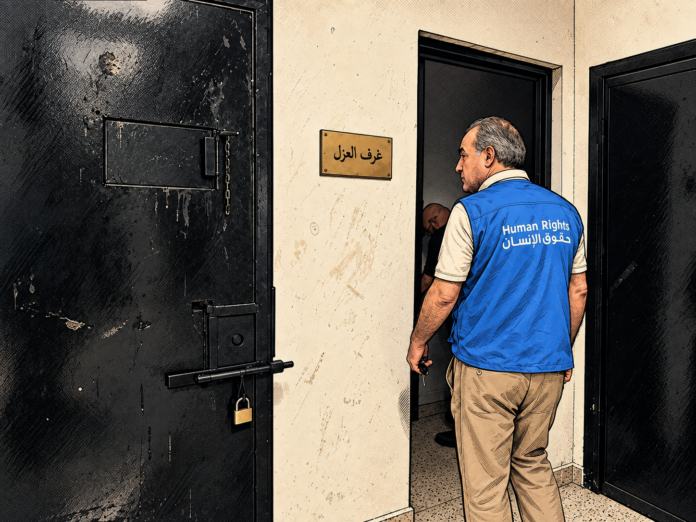
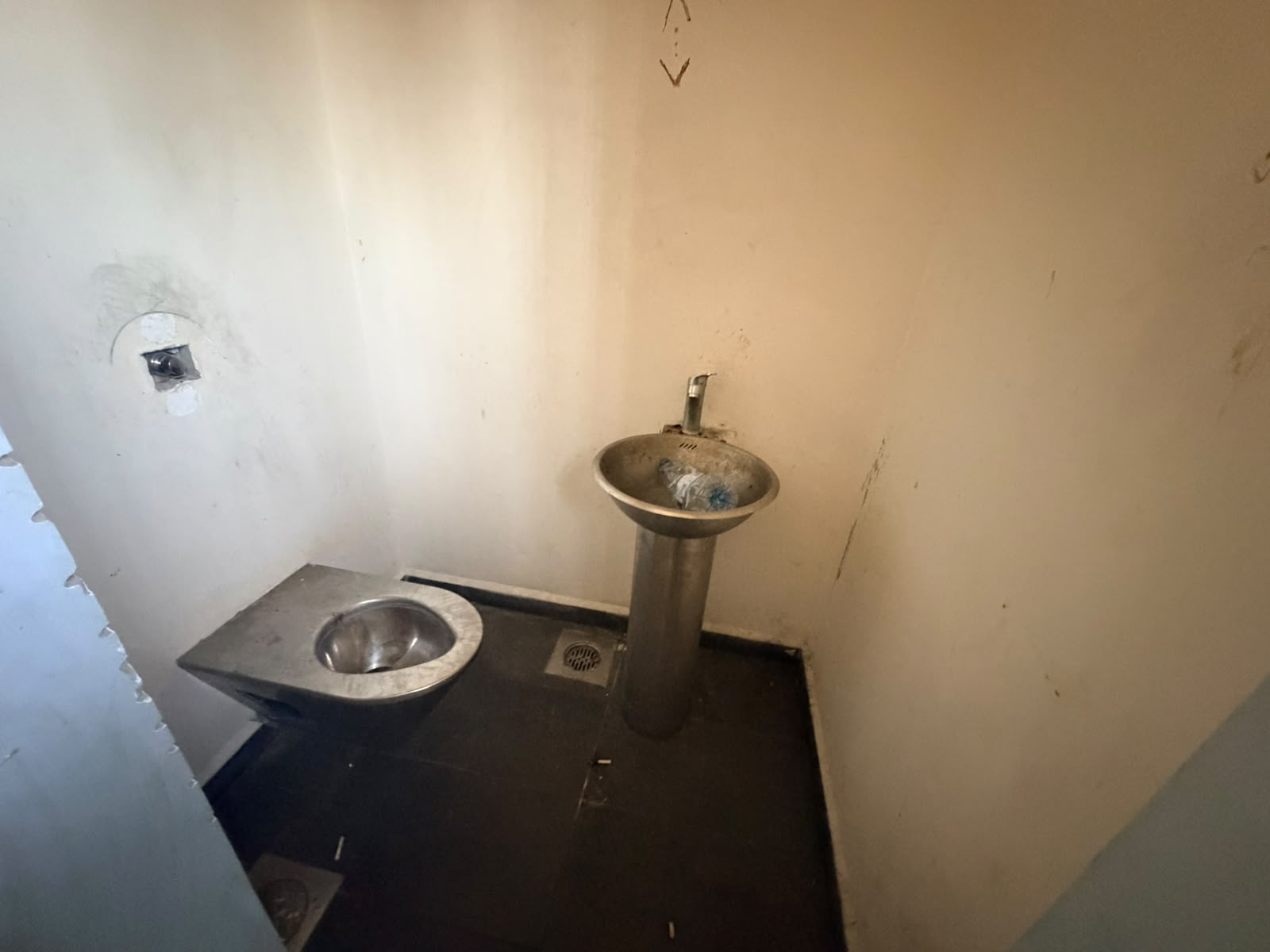
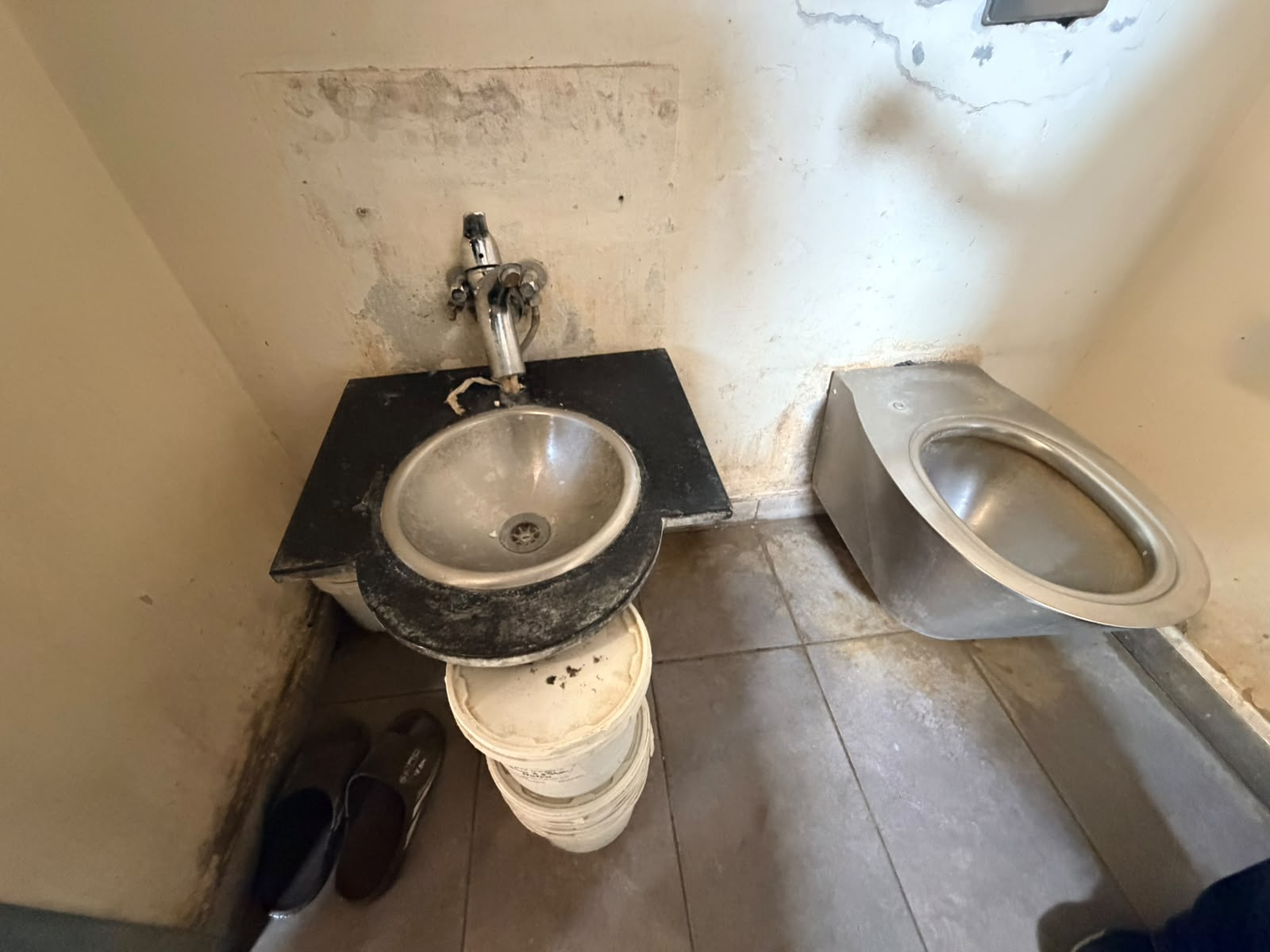
The team documented urgent risks associated with the isolation rooms located on the upper floor. Direct observation showed that the conditions of hygiene, water supply, sanitation and sleeping arrangements were unsuitable for accommodating children, whether the rooms were used for medical quarantine or disciplinary purposes. Several juveniles stated that the rooms were sometimes used following fights or disciplinary infractions and that some children had to sleep on the floor. Repeated allegations were also received that juveniles had been beaten before being placed in these rooms. Juveniles further reported that there was no continuous staff supervision on the floor and that officers’ presence was frequently limited to delivering meals or responding to specific incidents.
The Commission stressed that the solitary confinement of children as a disciplinary measure is prohibited under the Havana Rules because of the serious harm it may cause to their psychological and physical development. It called for the immediate cessation of disciplinary isolation, an assessment of the safety and well-being of everyone currently held in the isolation rooms, and guaranteed access to water, bedding, hygiene and continuous supervision. It also called for a suitable healthcare space to be designated for cases requiring medical isolation, as part of a clear treatment and prevention plan.
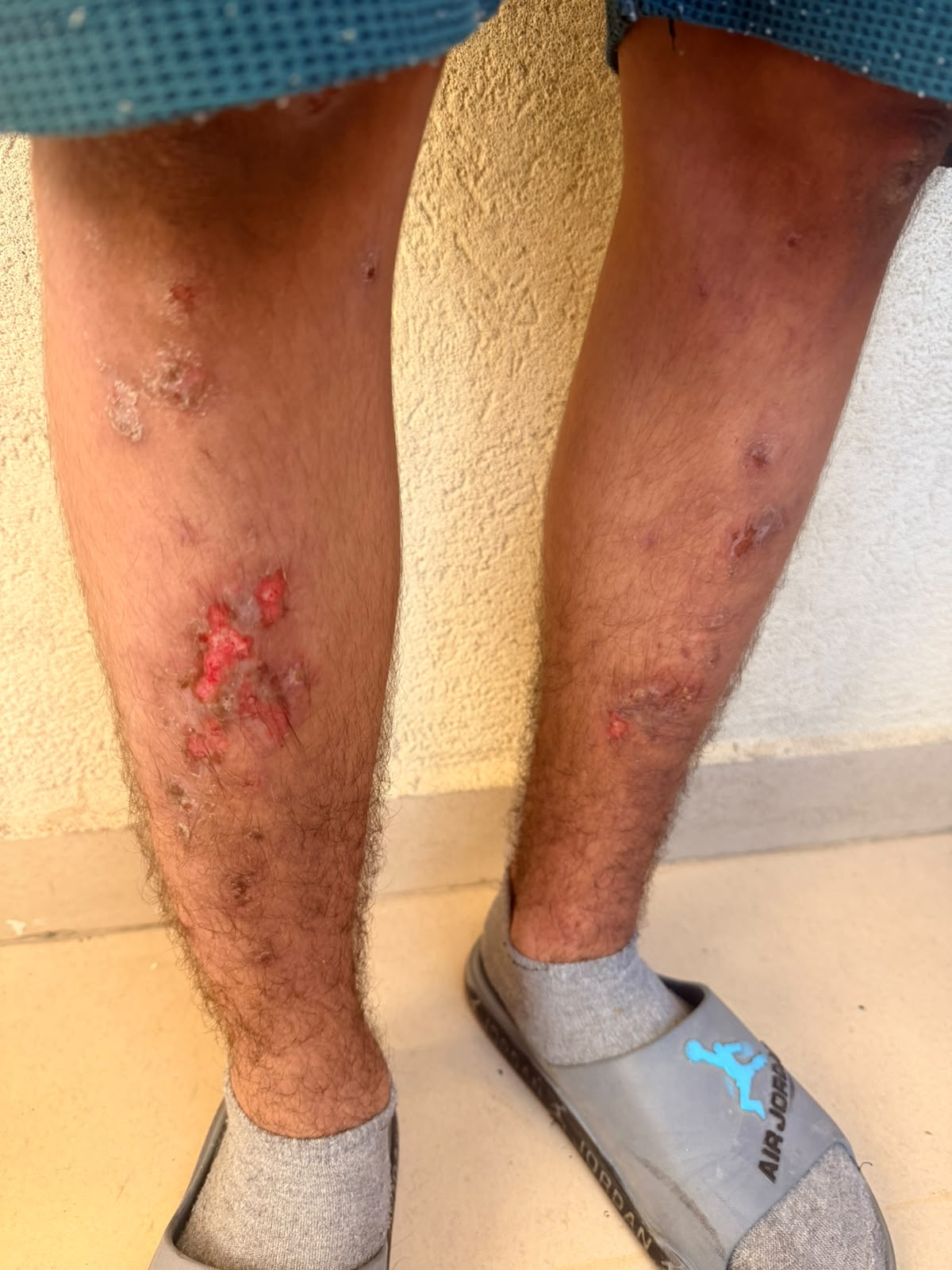
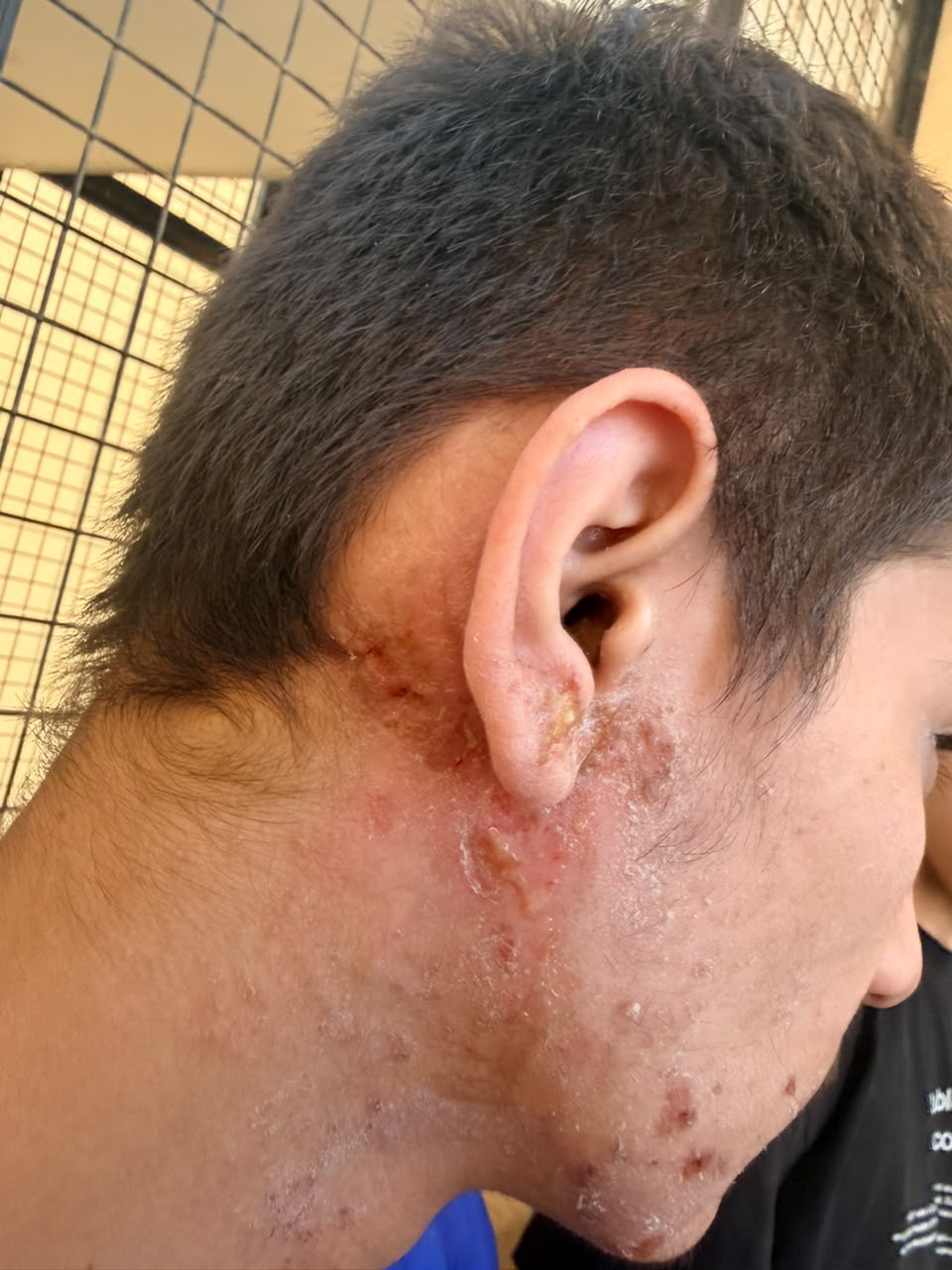
In the area of healthcare, the team observed ongoing cases of scabies, fungal infections, allergies and other skin conditions amid water shortages, poor hygiene and the irregular availability of medication. It also encountered cases requiring specialist treatment or surgical intervention, including the removal of plates, wires or sutures related to previous injuries. The Centre has no full-time doctor or nurse, nor does a healthcare professional attend on a regular basis. When medical examinations are required, juveniles are transported to an Internal Security Forces medical centre in Araya, despite the absence of a vehicle dedicated to the Centre.
The report also noted that mental-health and psychosocial services were extremely limited in relation to the number and needs of the juveniles. Statements included references to previous attempts at self-harm, suicide and escape, as well as incidents of harassment or violence between some of the juveniles. The Commission considered that these indicators require regular individual risk assessments, immediate protection measures and confidential psychological and social follow-up plans, rather than interventions only after incidents occur.
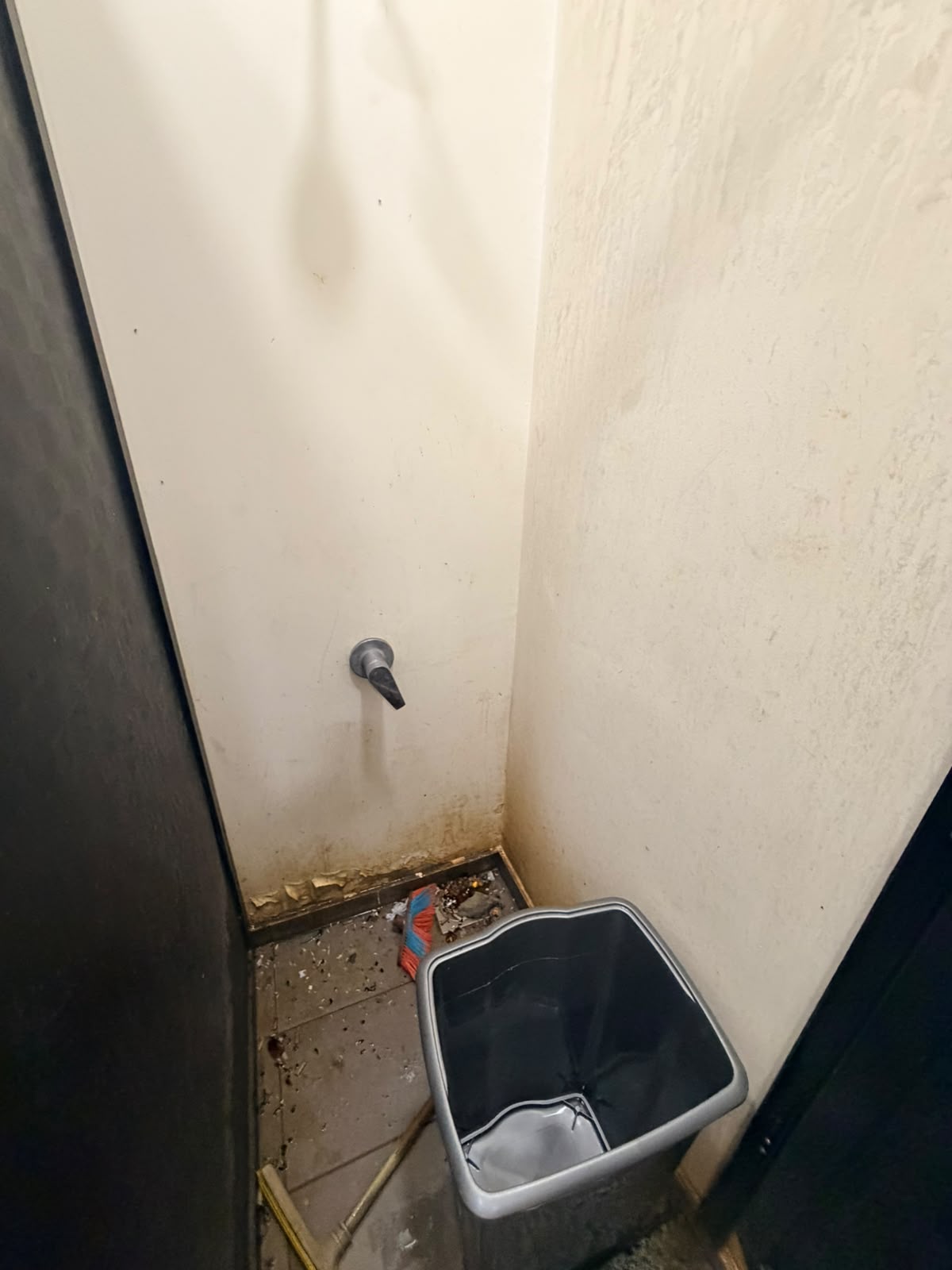
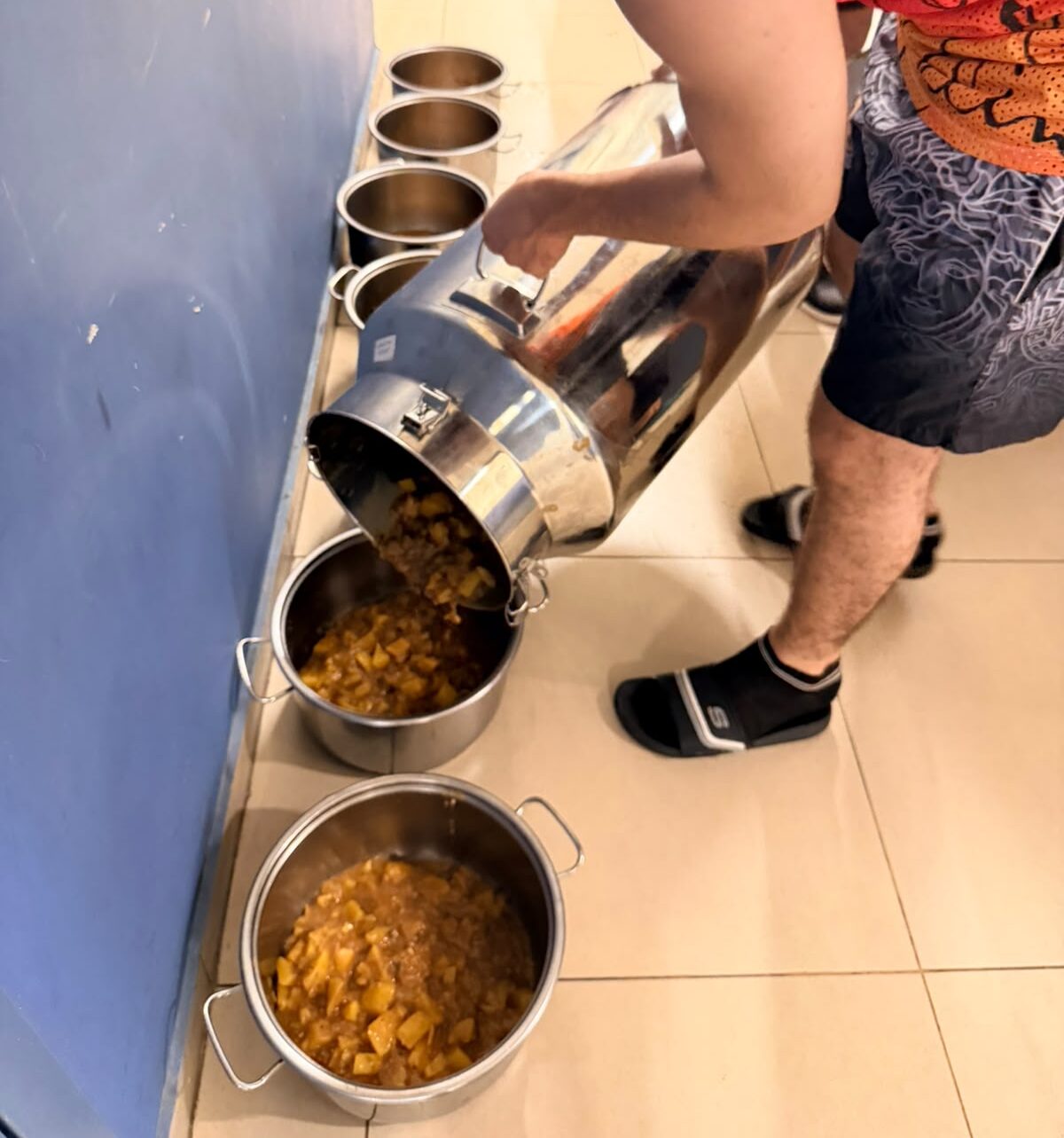
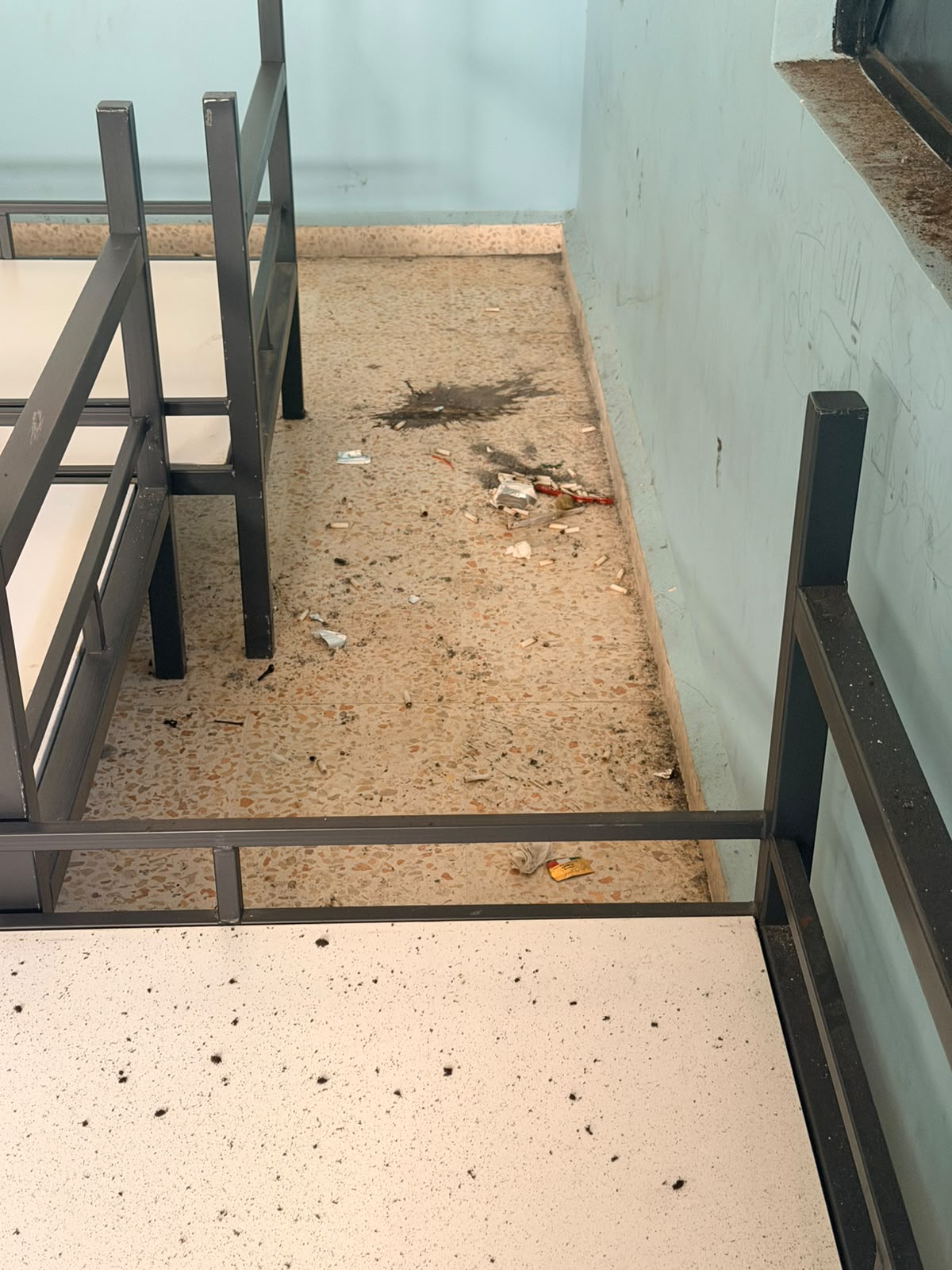
Regarding living conditions, the inspection revealed a lack of water in many sanitary facilities, several broken taps, accumulated waste, strong odours and torn or worn-out sheets and blankets. In relation to food, the quantity of one meal observed by the team appeared insufficient for approximately ten juveniles, while minced meat served in another meal did not appear to have been fully cooked. The Commission called for regular health inspections covering food quantities, preparation, cooking, storage and transportation, as well as the immediate resolution of problems related to water, waste, maintenance and communicable diseases.
The visit uncovered a further gap in the Centre’s protection system: surveillance cameras do not cover the corridors between the residential wings or several other areas. The Centre’s Director stated that the number of cameras was insufficient and that the digital recording and data-storage device was out of service because the maintenance contract had expired and no funding was available for repairs. Consequently, recordings cannot be reviewed when an incident occurs or an allegation requires investigation.
The Director also reported a severe shortage of personnel in relation to the Centre’s size, the duties required and its population of 148 detainees. During the visit, the Commission’s President personally observed that only one officer was responsible for guarding three wings spread over two floors and collectively accommodating all 148 detainees.
The Commission found that this staffing shortage endangers both juveniles and staff and weakens the Centre’s ability to prevent violence and respond to incidents and medical emergencies. It also contributes to the continued assignment of de facto supervisory roles to certain juveniles known as “shawish.” Statements received by the team indicated that some of these juveniles were involved in distributing supplies, organising telephone calls and influencing other children’s access to services, potentially creating unequal and abusive power relationships. The Commission called for the removal of any de facto disciplinary or supervisory authority exercised by these juveniles, an increase in the number of trained staff and direct professional supervision throughout all residential wings.
Regarding education and rehabilitation, the visit concluded that the programmes available were limited and irregular and reached only a small proportion of the juveniles. Existing activities were restricted to two literacy groups, one carpentry group and one barbering group, each accommodating approximately eight juveniles. Electricity and computer workshops had been suspended during the summer holiday, while equipment for the leatherworking and metal-turning workshops had not been transferred from Roumieh Prison. A kitchen equipped for hospitality training remained unused because of insufficient resources, and the activities wing lacked basic sanitary facilities.
The Commission stressed that deprivation of liberty must not result in the interruption of a child’s education and rehabilitation. It therefore called for year-round programmes and individual plans tailored to each juvenile’s age, legal status and needs.
The report also identified shortcomings in the transfer of judicial files, the updating of information, the follow-up of investigations and trials, and the implementation of release decisions. It further highlighted the need to strengthen legal assistance and ensure appropriate separation according to age, legal status and degree of vulnerability. The Commission also called for family visits and communications to be organised under uniform rules that respect equality and privacy, and for telephone or video-call alternatives to be made available to children whose families cannot visit them.
The Commission established a clear timetable for intervention:
- Within 24 hours: end disciplinary isolation and ensure the safety and well-being of everyone held in the isolation rooms.
- Within seven days: conduct an independent investigation into allegations of beating and ill-treatment, accompanied by confidential medical examinations, the preservation of evidence and guarantees against retaliation.
- Within 30 days: secure the regular presence of medical and nursing personnel; provide essential medication and medical transportation; address problems involving water, waste and sanitation; and establish a confidential, independent and child-accessible complaints mechanism.
- Within 90 days: adopt a human-resources plan; expand education and vocational training; bring unused facilities into operation; and establish a unified system for following up judicial files and family communications.
The Commission emphasised that addressing conditions at the Centre requires a joint government plan clearly defining responsibilities, resources, deadlines and performance indicators. It confirmed that it would monitor implementation through both announced and unannounced monitoring visits.
The Commission also renewed its call for the prompt consideration and adoption of the draft law seeking to raise the minimum age of criminal responsibility from seven to fourteen years. Such reform would ensure that younger children are referred to protection, care and rehabilitation services instead of being subjected to criminal proceedings involving deprivation of liberty.
هذه المقالة متاحة أيضًا بـ:

