
spot_img
spot_img

Other publications

NHRC and Skoun Organize Dialogue on the Transition Towards a National Drug Policy

The National Human Rights Commission of Lebanon, including the Committee for the Prevention of Torture (NHRC-CPT), in cooperation with Skoun Lebanese Addictions Center, organized the third session of the “Connecting for Rights” dialogue series, entitled: “Towards a National Drug Policy: From Criminalization and Punishment to a Public Health and Human Rights-Based Approach.”

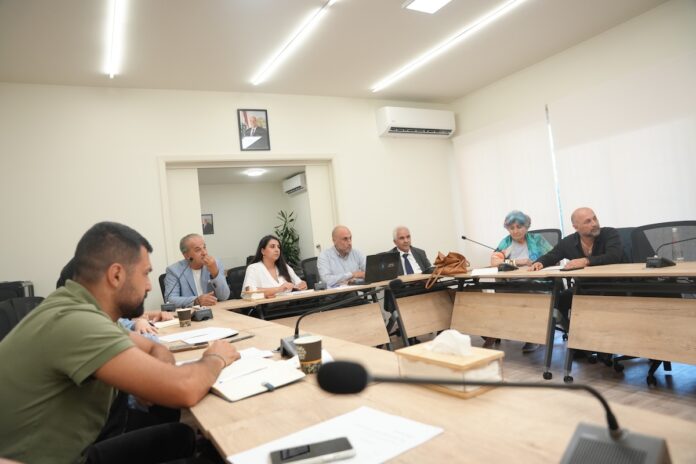
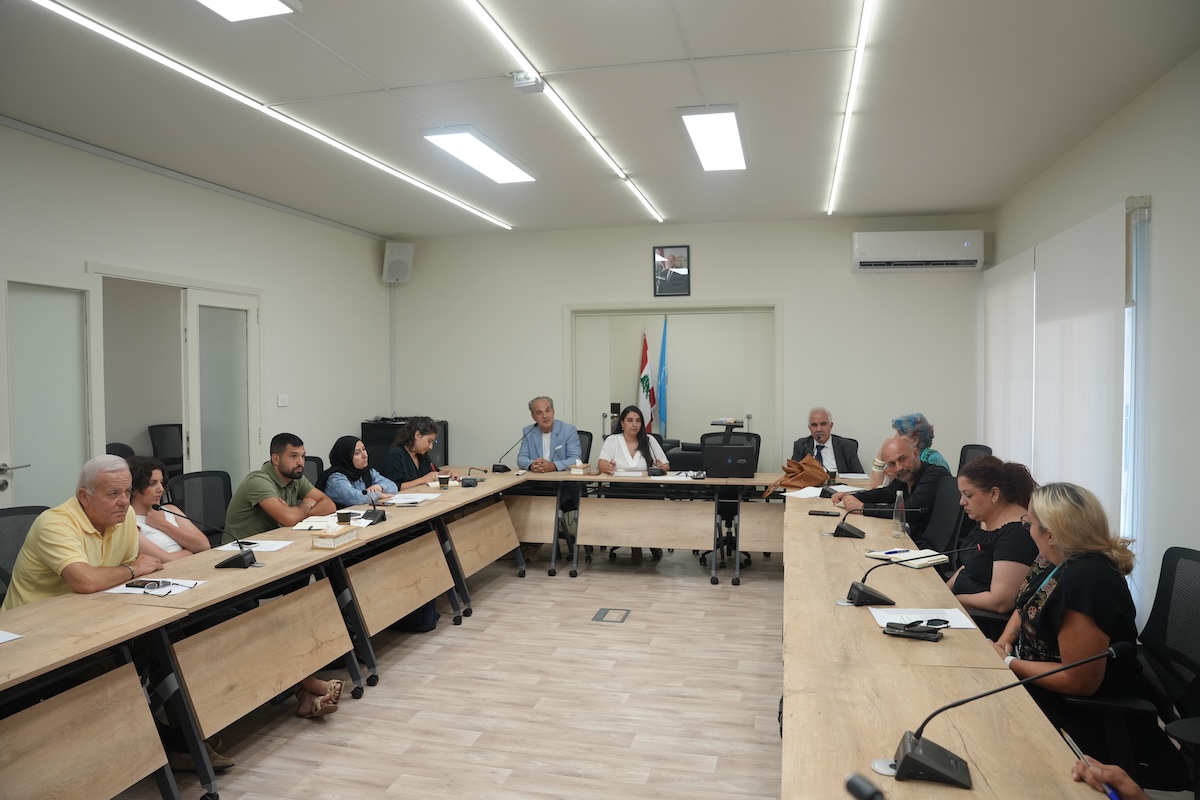
The session was held at the NHRC headquarters in Beirut, with the participation of representatives from the Ministry of Public Health and its National Mental Health Programme, the Cannabis Cultivation Regulatory Authority for Medical and Industrial Use, the United Nations Population Fund (UNFPA), the United Nations Office on Drugs and Crime (UNODC), and the Embassy of Canada in Lebanon. Participants also included several civil society organizations, such as ABAAD, the Middle East and North Africa Harm Reduction Association (MENAHRA), the Permanent Peace Movement, Helem, Megaphone, the Lebanese Cannabis Action Network, and other human rights and health organizations, experts, and stakeholders involved in developing drug policies in Lebanon.

The session marked the first round of consultations on the draft “Charter of Rights for People Affected by Drug Use,” prepared by the NHRC with the aim of establishing a rights-based reference framework to guide legislation, public policy, and judicial, security, and health practices in Lebanon.
Drug Use as a Public Health and Human Rights Issue

Dr Fadi Gerges, President of the National Human Rights Commission of Lebanon, including the Committee for the Prevention of Torture, opened the session with welcoming remarks. He emphasized that drug policies could no longer remain confined to punitive and security-based approaches but must instead be grounded in the protection of human dignity, the right to health, equality, and non-discrimination.

Gerges noted that the “Connecting for Rights” series provides a regular platform for dialogue and consultation among the NHRC, public institutions, civil society, experts, and stakeholders, allowing for the development of policies that are more equitable and responsive to the actual needs of people affected by drug use.

He stressed the need to ensure access to prevention, treatment, rehabilitation, harm-reduction, and social reintegration services, free from stigma and discrimination. He also reaffirmed the NHRC’s commitment to monitoring laws, policies, and practices affecting the rights of people impacted by drug use, strengthening accountability, and ensuring access to remedies when violations occur.

Moving Beyond Criminalization and Stigma

For her part, Sandy Mteirik, Executive Director of Skoun Lebanese Addictions Center, addressed the harmful consequences of treating drug use and dependence primarily through a punitive lens. She explained that criminalization and stigma could deter people from seeking healthcare, obstruct access to treatment and social support, and increase their exposure to discrimination and other human rights violations.

Mteirik emphasized the importance of adopting evidence-based policies in the discussion of the proposed drug law, grounded in prevention, harm reduction, voluntary treatment, rehabilitation, and continuity of care.

She also stressed the need to protect medical confidentiality and informed consent and to ensure that people experiencing drug dependence or overdose can obtain emergency medical care without fear of prosecution, reporting to the authorities, or punishment.

She called for the meaningful participation of people with lived experience in shaping the laws, policies, and programmes that affect their lives and for recognizing them as rights-holders rather than treating them as objects of punishment or stigma.

Presentation of the Draft Charter

Bassam Al Kantar, Commissioner for International Relations and Media at the National Human Rights Commission, presented the background, objectives, principles, and key safeguards of the draft “Charter of Rights for People Affected by Drug Use.”

Al Kantar explained that the Charter seeks to translate Lebanon’s national and international human rights obligations into practical and enforceable safeguards. It also aims to move away from fragmented and punitive responses towards a coordinated national policy grounded in public health, human rights, scientific evidence, and accountability.

He noted that the existing legal framework, particularly Law No. 673 of 1998, requires a comprehensive review to address the contradiction between recognizing drug dependence as a health condition and continuing to prosecute and punish people for drug use or possession for personal use.

The draft Charter is founded on several core principles, including human dignity and autonomy, equality and non-discrimination, the right to health, informed consent and confidentiality, the best interests of the child, harm reduction, continuity of care, the meaningful participation of affected people, independent oversight, and accountability.

The draft also includes several immediate minimum guarantees, including:

  • Emergency medical care must not be delayed or denied because of actual or perceived drug use.
  • No person may be detained solely on the basis of drug dependence.
  • Medical confidentiality and personal data must be protected.
  • Access to voluntary, community-based, and evidence-informed treatment must be guaranteed.
  • People in detention must have prompt access to a lawyer and healthcare.
  • People must be protected from torture, ill-treatment, compulsory treatment, and other violations.
  • Violations must be independently investigated, and victims must have access to effective remedies.
  • People affected by drug use must participate in developing the policies and services that concern them.
  • People submitting complaints or reporting violations must be protected from retaliation.

A Cross-Sectoral National Approach

The range of participants demonstrated that drug policy reform requires meaningful coordination among health, judicial, human rights, regulatory, and oversight institutions.

In this context, Dr Rabih Chammay’s participation enriched the discussion on mental health and the need to integrate drug dependence treatment services into a comprehensive healthcare system that ensures continuity of care and psychosocial support.

Dr Dani Fadel’s participation also provided an opportunity to discuss the regulatory dimensions of cannabis cultivation for medical and industrial purposes and the need to establish transparent legal and regulatory frameworks that protect the public interest, prevent misuse, and ensure compliance with health and human rights standards.

Meanwhile, Dr Kalib Kleib’s participation on behalf of the National Anti-Corruption Commission highlighted the importance of transparency, the right of access to information, integrity, and accountability in managing drug-related policies, resources, licences, and programmes. He also emphasized the need for independent oversight mechanisms to prevent conflicts of interest and abuse of power.

Recommendations and an Ongoing Consultation Process

In cooperation with Skoun and relevant partners, the National Human Rights Commission will collect the comments and recommendations presented during the session and incorporate them into the review of the draft Charter.

The aim is to develop the Charter as a national reference for advocacy, legislative reform, institutional accountability, and the establishment of a comprehensive national drug policy.

The participants will also explore ways to place the proposed drug law on the agendas of the relevant parliamentary committees, with a view to finalizing a draft that can be submitted to Parliament’s plenary session for debate, adoption, and enactment.

هذه المقالة متاحة أيضًا بـ: العربية (Arabic) Français (French)

NHRCLB
NHRCLBhttps://nhrclb.org
مؤسسة وطنية مستقلة منشأة بموجب القانون 62/ 2016، تتضمن آلية وقائية وطنية للتعذيب (لجنة الوقاية من التعذيب) عملاً بأحكام القانون رقم 12/ 2008 (المصادقة على البروتوكول الاختياري لاتفاقية مناهضة التعذيب). An independent national institution established under Law No. 62/2016, which includes a National Preventive Mechanism against torture (the Committee for the Prevention of Torture), in accordance with the provisions of Law No. 12/2008 (ratifying the Optional Protocol to the Convention against Torture). Une institution nationale indépendante établie en vertu de la loi n° 62/2016, qui comprend un mécanisme national de prévention de la torture (le Comité pour la prévention de la torture), conformément aux dispositions de la loi n° 12/2008 (ratifiant le Protocole facultatif se rapportant à la Convention contre la torture).