
The National Human Rights Commission and Its Partners Launch a National Dialogue on Lebanon’s Ratification of ILO Convention No. 193 on Decent Work in the Platform Economy
Calls for comprehensive legislative reform to end worker misclassification, subject algorithmic management to the principles of transparency and accountability, and guarantee fair pay, social protection, and the right to organize.
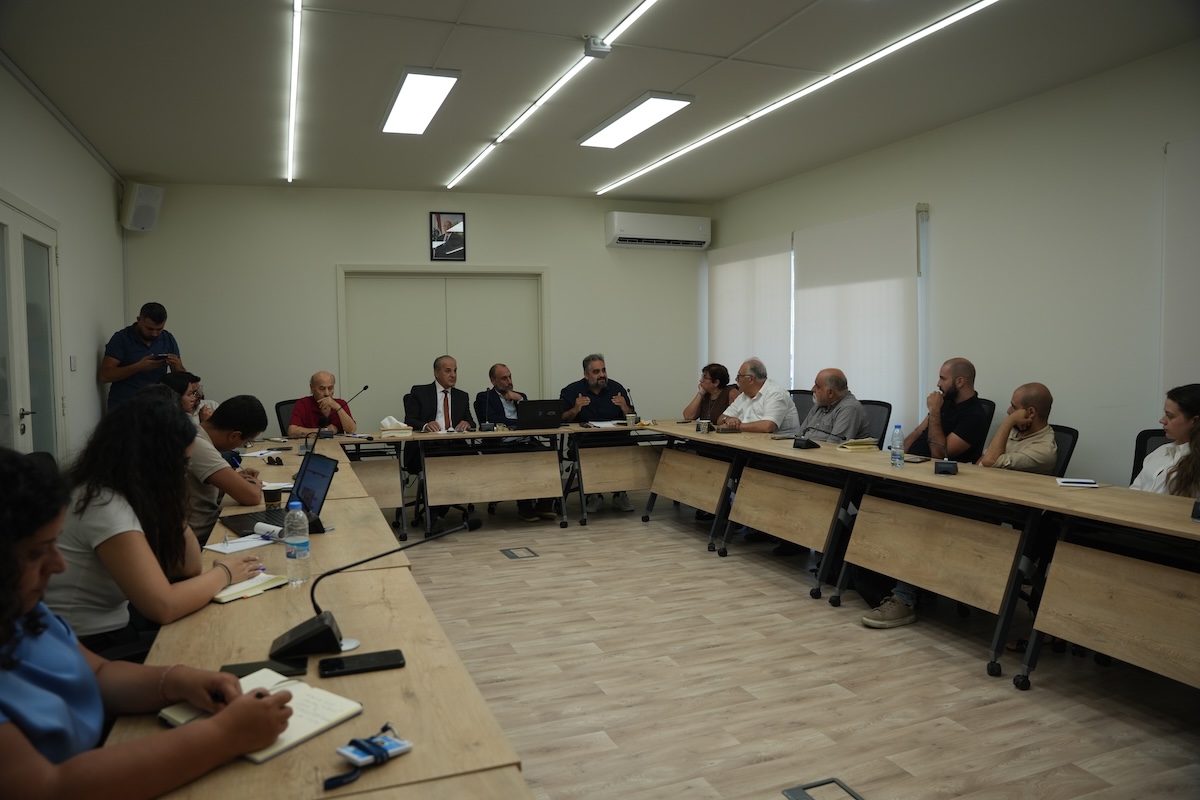
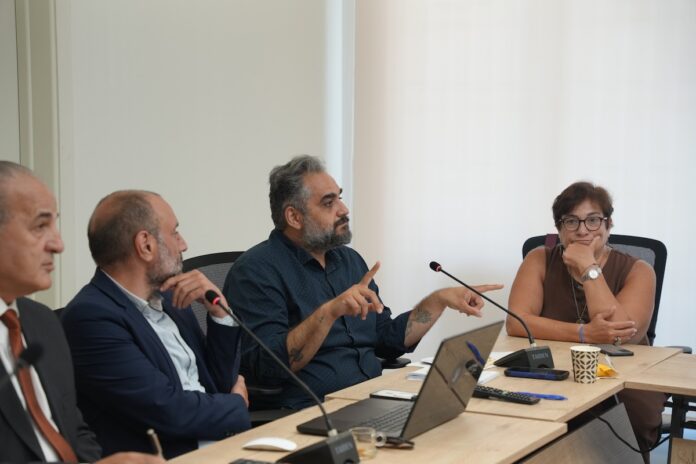
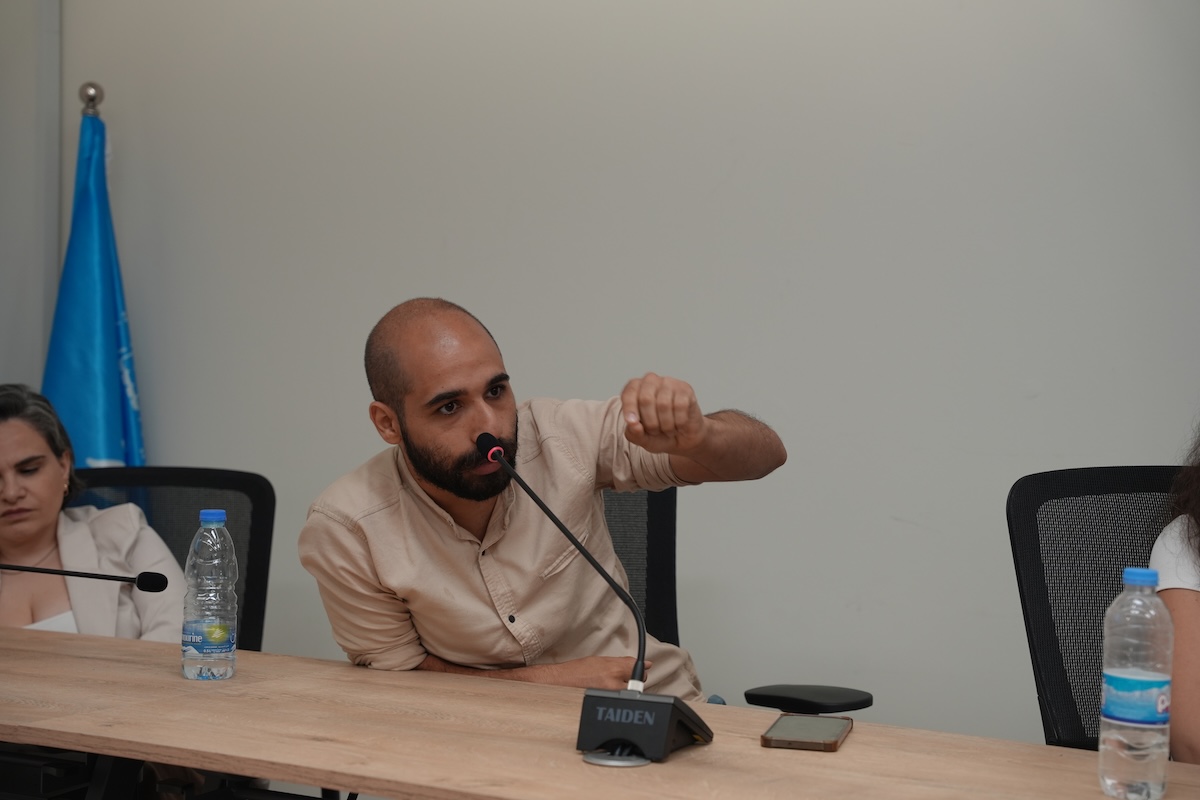
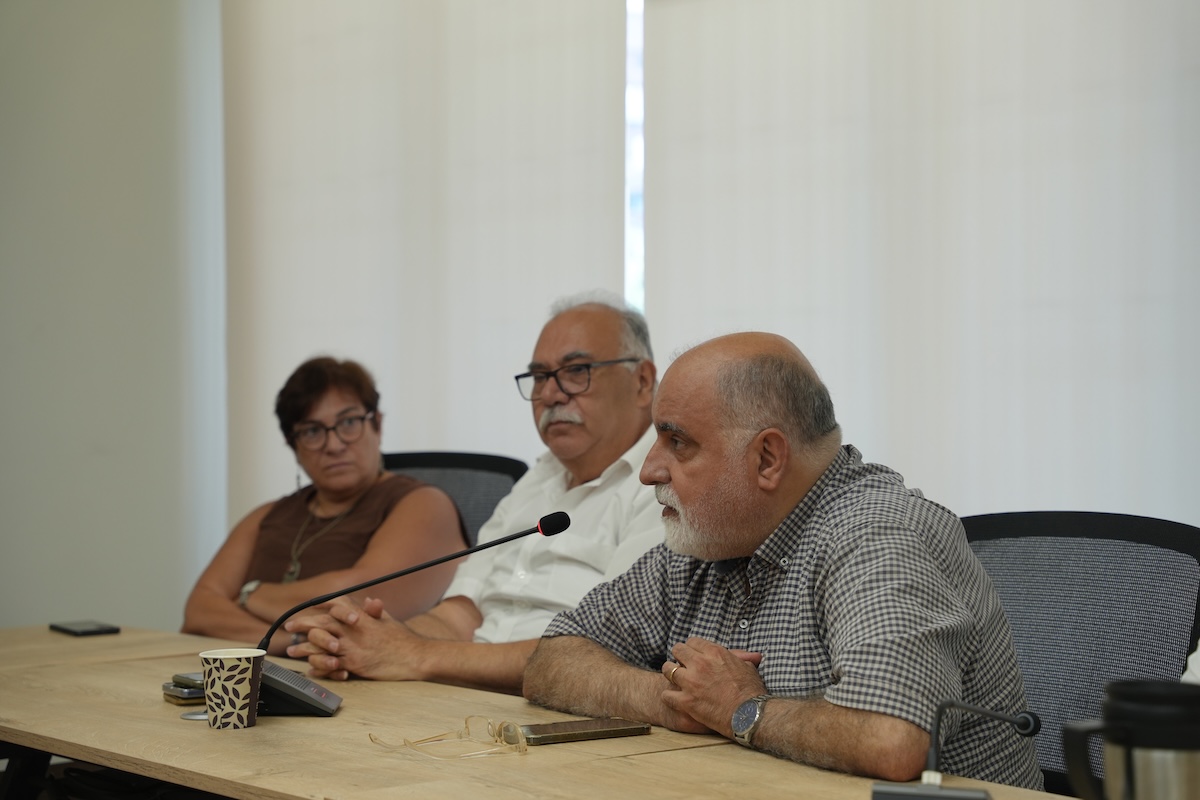
The National Human Rights Commission, which includes the Committee for the Prevention of Torture, held an expanded consultative meeting today, Thursday, at its headquarters in Beirut, in cooperation with its partners: The Legal Agenda, SMEX, Sifr, the Lebanese Observatory for Workers’ and Employees’ Rights, and the National Federation of Workers’ and Employees’ Trade Unions in Lebanon (FENASOL).
The meeting addressed “The Impact of Lebanon’s Ratification of the International Labour Organization Convention on Decent Work in the Platform Economy.” It brought together representatives of trade unions, civil society organizations, and human rights institutions, as well as legal experts, academics, researchers, journalists, workers, and others concerned with the digital economy and the future of work.
The meeting provided a national platform for discussing the profound transformations brought about by the rapid expansion of the digital platform economy, particularly in the transport, delivery, domestic and professional services, care, digital services, and online freelance sectors. Participants also examined the effects of these transformations on traditional employment relationships, workers’ economic and social rights, and the ability of existing national legislation to respond to emerging forms of work.
The meeting followed the historic adoption of International Labour Organization Convention No. 193 of 2026 by the International Labour Conference in Geneva. It is the first binding international treaty to comprehensively address legal and social protections for digital platform workers, including app-based drivers, delivery workers, digital service providers, care workers, and people performing work online.
The discussions also drew on the reference paper launched by the National Human Rights Commission in May 2026, which called on Lebanon to ratify the Convention and initiate a legislative and institutional process to incorporate its provisions into national laws and public policies.
Participants emphasized that Lebanon’s ratification of the Convention should neither be a merely symbolic step nor simply another international commitment. Rather, it should serve as a gateway to comprehensive legislative and institutional reform that addresses the existing legal vacuum, puts an end to precarious forms of work, and fairly distributes responsibilities among platforms, workers, and the state.
A Global Transformation Reshaping Employment Relationships
The meeting examined the rapid growth of the platform economy at a time when more than 435 million workers worldwide rely on digital platforms to earn an income. The platform economy has expanded significantly in recent years, confirming that this model is no longer a marginal or temporary phenomenon, but has become an essential component of the global labour market.
Speakers noted that platforms have created new opportunities for work and access to income, while offering a degree of flexibility in choosing working hours. At the same time, however, they have generated new forms of precarity and instability, particularly because of workers’ ambiguous legal status, the absence of a fixed wage, their exclusion from social protection systems, and the transfer of operating costs and economic and occupational risks onto them.
Participants also stressed that the problem does not lie in technology itself, but in its use to manage employment relationships in ways that obscure legal responsibility and transfer workplace risks from companies to workers, without imposing clear obligations on platforms toward the people who depend on them for their livelihoods.
President of the National Human Rights Commission: Digital Development Does Not Exempt Platforms from Their Responsibilities
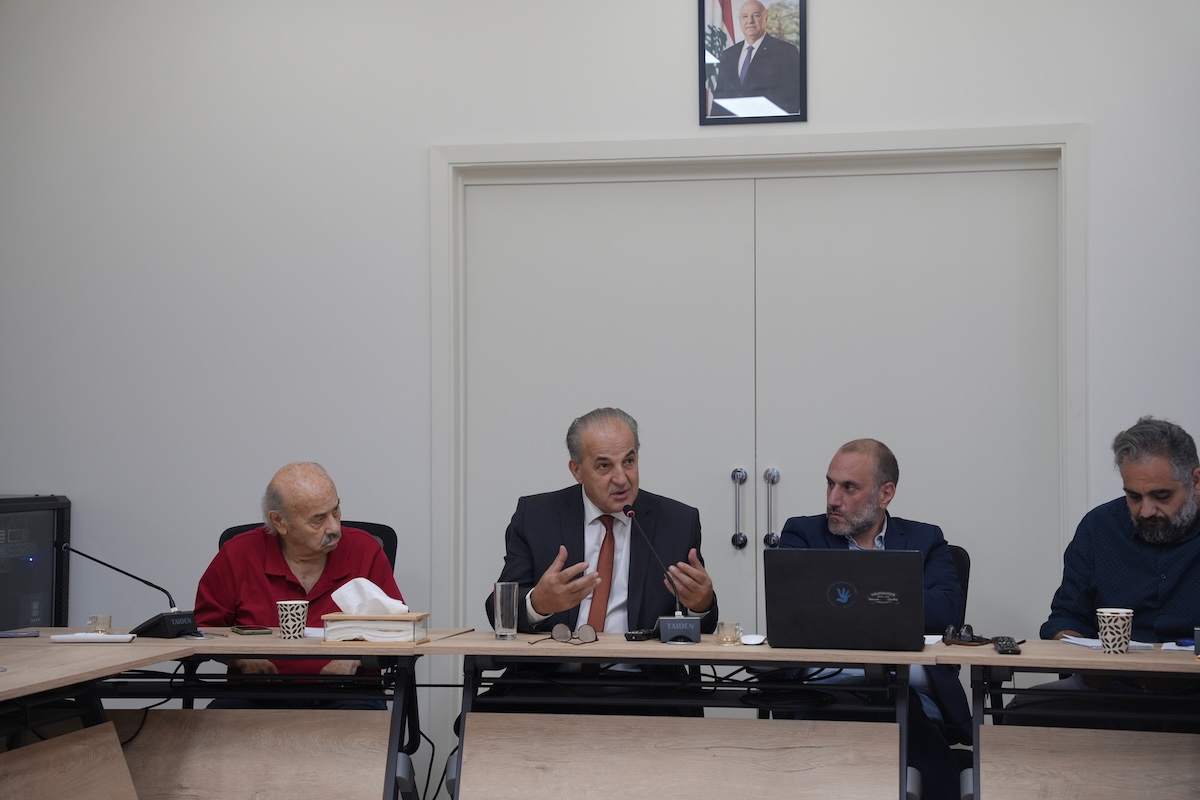
In his opening remarks, the President of the National Human Rights Commission, Dr Fadi Gerges, affirmed that the adoption of Convention No. 193 represents a necessary human rights and legal response to a profound structural transformation in the world of work. He stressed that the use of technology must not create areas beyond the reach of the law or deprive workers of their fundamental rights.
Gerges stated:
“A platform worker is not merely an account or a number displayed on a digital map, but a human being entitled to dignity, fair pay, social protection, and occupational safety and health. The flexibility offered by platforms must not become a cover for precarious work, a means of circumventing legal obligations, or a mechanism for transferring all risks and costs to workers and their families.”
He explained that determining a worker’s legal employment status must be based on the actual nature of the working relationship and the degree of subordination, supervision, and control involved, rather than on formal labels used by platforms in their contracts, such as “partner,” “service provider,” or “independent contractor.”
He noted that a platform that determines pay and commissions, allocates tasks, monitors workers’ locations and performance, establishes rules governing interactions with customers, imposes ratings and penalties, and retains the power to suspend or deactivate accounts cannot evade an employer’s responsibilities merely by choosing a different contractual label.
Gerges called on the Lebanese government to immediately initiate the constitutional procedures required for Lebanon to ratify the Convention and to refer it to Parliament in accordance with the applicable procedures. He also called for the preparation of a national implementation plan, the establishment of a mandatory registry for digital platforms operating in Lebanon, and the launch of a social dialogue involving workers, trade unions, employers, civil society organizations, human rights institutions, and technical experts.
Al Kantar: The Convention Is an Opportunity to Move from a Legislative Vacuum to Effective Protection
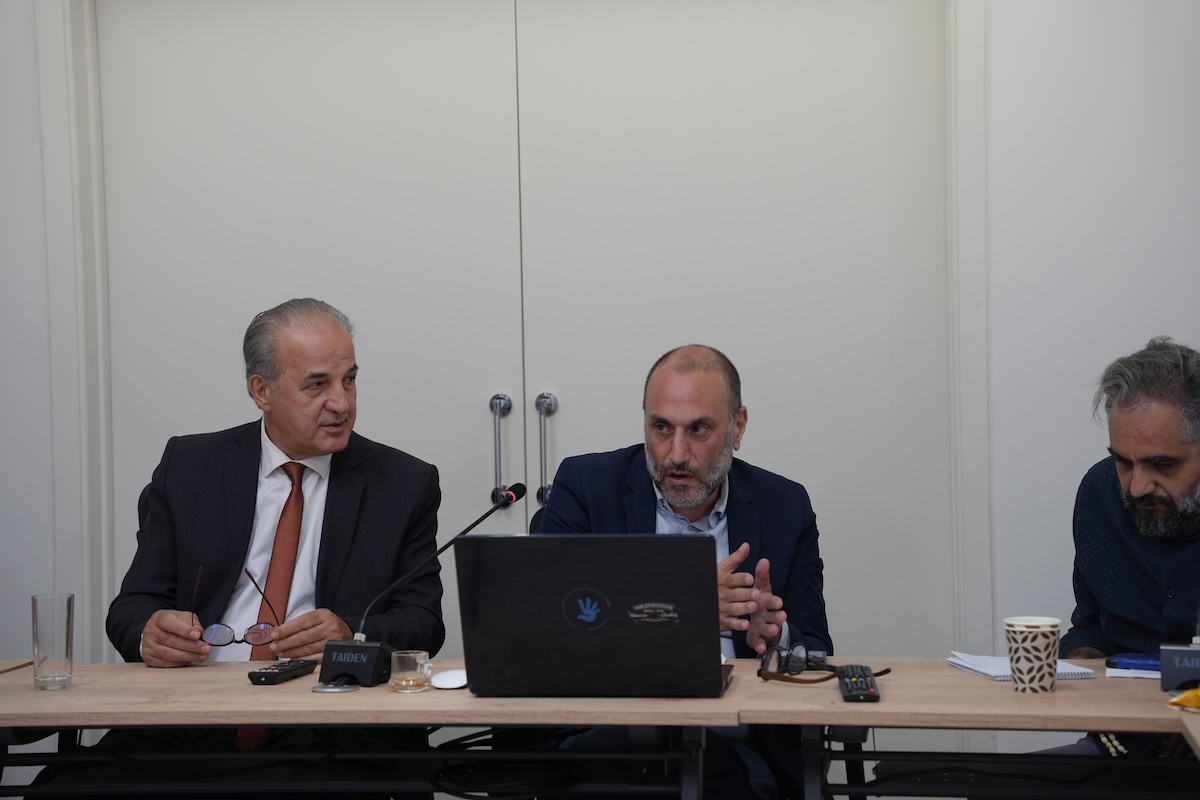
For his part, Bassam Al Kantar, Commissioner for International Relations and Media at the National Human Rights Commission, explained that ILO Convention No. 193 comes at a pivotal moment, as platform work has become a primary source of income for hundreds of millions of people worldwide.
Al Kantar noted that Lebanon’s ratification of the Convention offers an opportunity to move from a legislative vacuum toward an integrated national protection framework encompassing algorithmic transparency, fair pay, social protection, occupational safety and health, personal data protection, the rights to organize and bargain collectively, and access to justice and effective remedies.
He emphasized that fair pay cannot be calculated based solely on the gross amount displayed in the application. Instead, it must reflect workers’ net income after deducting the expenses they bear, including fuel, vehicle maintenance, telecommunications, and insurance costs, as well as the commissions charged by the platform.
He also stressed the need to count all working time, including time spent waiting for assignments and travelling in connection with their completion, rather than limiting working time to the minutes during which a passenger is transported or an order is delivered.
Al Kantar stated that ratifying the Convention must be accompanied by a comprehensive review of the Labour Code, the Social Security Law, the Code of Obligations and Contracts, and legislation governing data protection and digital transactions. Such a review must ensure that platform workers receive legal protection regardless of their nationality, type of contract, or the designation adopted by the company.
He added that the Convention places Lebanon before a clear choice: either to continue leaving thousands of workers in a legal grey area or to take the initiative to regulate the sector in a manner that balances the promotion of innovation with the protection of human dignity and social justice.
Dismantling the Power of the “Algorithmic Manager”
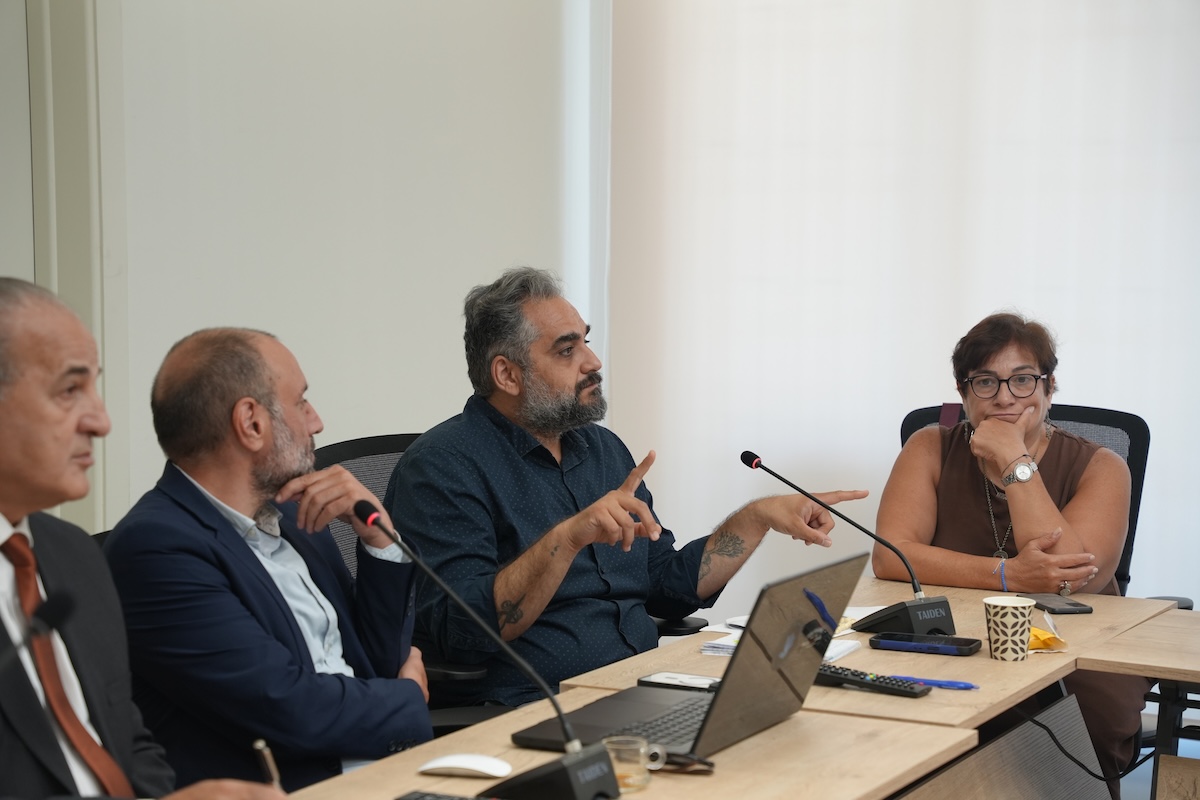
In a critical examination of platform work, Dr Rabih Fakhri Jamil, a researcher and academic specializing in the sociology of work, addressed the phenomenon of the “algorithmic manager.” He explained that, across many platforms, the powers of management, supervision, evaluation, and discipline have shifted from an identifiable human manager to complex and opaque algorithmic systems.
He noted that these systems determine where, when, and along which routes workers perform their tasks; allocate assignments; monitor acceptance and rejection rates and speed; issue ratings; and may impose penalties ranging from lowering a worker’s ranking or reducing the number of assignments available to suspending or permanently deactivating the worker’s account.
Jamil explained that the danger of this system lies in the fact that workers may be subjected to decisions affecting their source of income without knowing the reasons behind them or the data on which they were based, and without having a genuine opportunity to appeal or obtain an independent human review.
Workers may also be penalized for circumstances beyond their control, such as traffic congestion, weather conditions, technical failures, or biased customer ratings. Yet the algorithm may treat these circumstances as personal failures warranting a lower rating or another penalty.
Jamil identified several issues requiring urgent legislative intervention. Foremost among them are establishing a legal presumption of an employment relationship whenever a platform controls the essential elements of the work; counting waiting time as paid working time; and prohibiting consequential automated decisions, such as account suspension or deactivation, without an explanation and human review.
He also called for algorithms to undergo periodic human rights impact assessments and for measures to ensure that they do not produce discriminatory decisions based on nationality, gender, age, disability, geographical location, or trade union activity.
Jamil explained that any assessment of the Convention and its potential impact in Lebanon must be grounded in a realistic and accurate understanding of platform workers’ conditions, rather than in a purely abstract legal analysis. In this context, he referred to the ongoing collaboration with SMEX to prepare a more comprehensive study of digital work in Lebanon. Based on field research and workers’ direct testimonies, the study aims to document prevailing work patterns, analyse the relationships between workers and platforms, identify violations and legal and social protection gaps, and propose policies and legislation responsive to the Lebanese context.
He added that preliminary field research findings indicate that thousands of Lebanese and non-Lebanese workers residing in Lebanon use digital platforms to enter the labour market or secure a primary or supplementary income amid a deep economic and social crisis and shrinking opportunities for traditional employment. Despite the growing role of these platforms, the workers operate within a broad legislative vacuum, with no clear determination of the nature of their relationship with platform operators.
He emphasized that, in many cases, this group works in the near-total absence of basic safeguards: there is no effective social protection, no guaranteed minimum wage, no adequate coverage against occupational accidents and injuries, no job security, and no transparent mechanism for challenging platform decisions. Workers also bear the costs of vehicles, fuel, maintenance, telecommunications, and insurance, while platforms control task allocation, pay and commission calculations, and ratings, and retain the power to suspend or deactivate accounts.
Jamil explained that the study seeks to address the significant lack of data concerning this sector and to produce knowledge grounded in workers’ own experiences. This would help determine the scale of digital work in Lebanon, its various forms, the characteristics of those engaged in it, the risks they face, and the extent to which they benefit from legal and social protection. The study’s findings could provide an objective basis for dialogue with public authorities, trade unions, and civil society, while contributing to the development of evidence-based legal reforms and public policies.
He stressed that although ILO Convention No. 193 contains several matters that still require further development and clarification, it represents an essential and significant international instrument and provides an indispensable starting point for building effective protections for platform workers. Critical observations regarding some of its provisions should therefore not become a pretext for delaying Lebanon’s ratification. Instead, they should encourage the country to ratify and implement the Convention while simultaneously developing national legislation that provides broader safeguards better suited to the Lebanese context.
Ratifying the Convention would not bring the debate on regulating digital work to an end; rather, it would establish that debate within a binding human rights framework. The Convention also constitutes a common minimum standard of protection and does not prevent Lebanon from drawing on field research findings to adopt more advanced national standards in such areas as fair pay, social protection, occupational safety, algorithmic transparency, data protection, trade union organizing, and access to justice.
Worker Misclassification and Gaps in Lebanese Law

For his part, Dr Ahmad Al Deirani, Executive Director of the Lebanese Observatory for Workers’ and Employees’ Rights, presented an analysis of the legal status of platform workers and a proposal to amend the Labour Code, which the Observatory helped prepare.
Al Deirani explained that the Lebanese Labour Code, enacted in 1946, is no longer capable in its current form of addressing the transformations that have affected patterns of production and work, particularly employment relationships managed through applications and digital systems.
He noted that this legislative shortcoming pushes workers into a “grey area” between employee and independent contractor, enabling some companies to exercise the powers of an employer while simultaneously exempting themselves from obligations relating to wages, social security, compensation, occupational injuries, leave entitlements, and trade union rights.
He added that worker misclassification affects more than the individual worker. It shifts the costs of social and health risks onto workers’ families, society, and the state, while platforms retain the profits, data, and decision-making power.
Al Deirani called for the adoption of explicit legislative amendments enshrining the “primacy of facts” principle, whereby the nature of the working relationship is determined by how it operates in practice rather than by the label used in the contract. He also called for platforms to be required to declare their workers, register with the Ministry of Labour and the National Social Security Fund, and contribute to financing social protection.
He emphasized that any contractual provision that pre-emptively exempts a platform from liability or diminishes workers’ fundamental rights must be deemed null and void, particularly when the contract is imposed unilaterally and workers have no genuine opportunity to negotiate its terms.
FENASOL: No Protection Without Trade Union Organization and Collective Bargaining
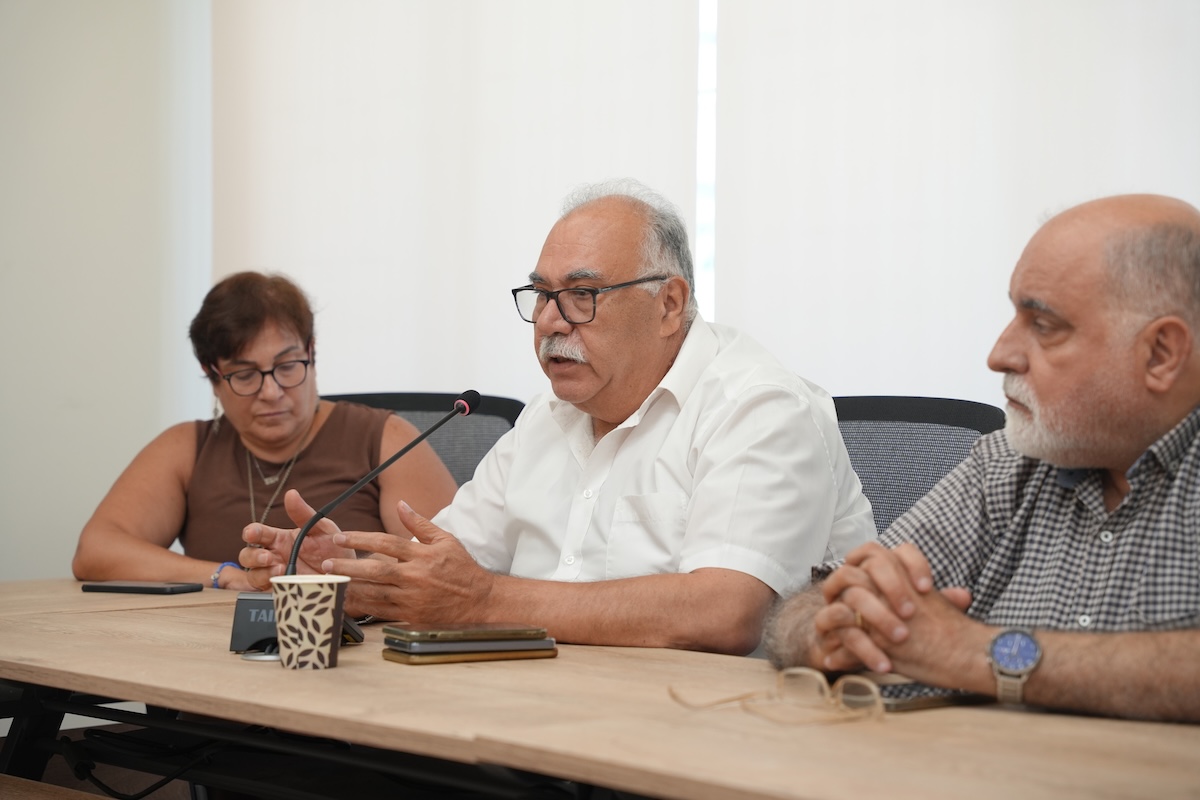
In their interventions, Castro Abdallah, President of the National Federation of Workers’ and Employees’ Trade Unions in Lebanon (FENASOL), and Mahmoud Shehadeh, a senior FENASOL official, criticized the authorities’ failure to implement international labour conventions, the slow proceedings before the labour arbitration councils, and the limited protection available to workers in unregulated sectors.
FENASOL representatives stressed that platform workers must not be left to confront major corporations individually and that the rights to organize and bargain collectively are essential to achieving balance in the employment relationship.
They noted that the mobile nature of platform work, the absence of a shared workplace, algorithmic surveillance, and individualized penalties make trade union organizing more difficult, but do not negate this right. They also emphasized the need to prohibit any retaliation for trade union activity, whether through account deactivation, lower ratings, or reduced access to work assignments.
FENASOL reaffirmed its commitment to maintaining trade union pressure for Lebanon to ratify Convention No. 193 and align its national legislation with the Convention’s provisions.
SMEX: Workers’ Data Are Not the Exclusive Property of Platforms
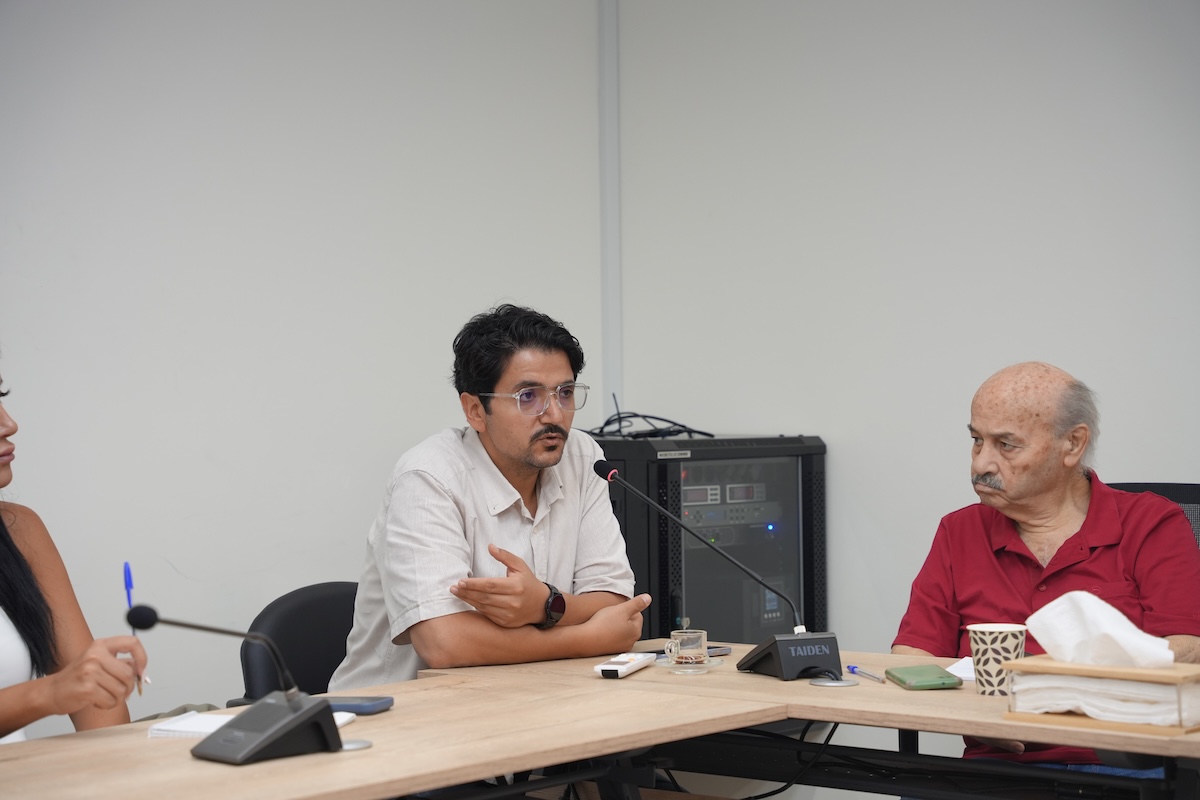
For his part, Abd Qataya, Media Programme Manager at SMEX, stressed that the protection of platform workers cannot be complete without safeguarding their personal data and digital privacy.
He explained that platforms collect vast amounts of data concerning workers’ geographical location, movements, working hours, behavioural and communication patterns, and ratings. Such data may be used to build digital profiles that affect task allocation, income, rankings, and continued access to work.
He emphasized that platforms must comply with the principles of necessity, proportionality, and purpose limitation when collecting and processing data. Workers must also be granted the right to access and correct their data and to know how those data are used and with whom they are shared.
He also rejected the use of algorithms or digital surveillance tools to track trade union activity or target workers participating in protests and collective action, warning that a lack of transparency could entrench discrimination and conceal it behind decisions that appear technical and neutral.
Placing the Most Vulnerable Groups at the Heart of Protection
Participants emphasized the need to pay particular attention to migrant workers, refugees, and other groups especially vulnerable to exploitation, many of whom work through platforms without clear contracts, social protection, or effective access to courts and complaint mechanisms.
The meeting stressed that fundamental rights at work must not depend on nationality, residency status, or type of contract, and that protection from exploitation, discrimination, occupational injuries, and arbitrary decisions must extend to all workers without exception.
Participants also called for complaint mechanisms to be made available in languages workers understand, for legal assistance to be provided, and for administrative or residency status never to be used as a means of preventing workers from claiming their rights.
Final Recommendations to the Lebanese Authorities
The consultative meeting concluded by calling on the Lebanese authorities to adopt an interconnected package of legislative, regulatory, and institutional measures, most notably:
- Ratify the Convention: Initiate the constitutional and legislative procedures required for Lebanon to ratify ILO Convention No. 193 of 2026 and refer it to Parliament in accordance with the applicable procedures.
- Develop a national implementation plan: Establish a participatory national committee comprising government representatives, workers, employers, trade unions, human rights institutions, civil society organizations, and technical experts to prepare a time-bound plan for implementing the Convention.
- Amend the Labour Code: Broaden the definitions of “worker” and “employment relationship” to encompass emerging forms of digital work and adopt the principle of the primacy of facts rather than relying solely on contractual labels.
- Establish a presumption of employment: Presume the existence of an employment relationship whenever a platform controls pay, task allocation, performance conditions, ratings, or penalties, with the burden placed on the platform to prove otherwise.
- Review contracts: Invalidate clauses that exempt platforms from their responsibilities or deprive workers of fundamental rights, and ensure that contracts are provided in clear and comprehensible language.
- Establish a national platform registry: Require all digital platforms operating in Lebanon to register and disclose their legal identity, wage and commission policies, task-allocation mechanisms, rating and disciplinary criteria, and data-protection policies.
- Guarantee algorithmic transparency: Require platforms to provide clear information on how decisions affecting workers are made, including those related to pay, ratings, task allocation, and account suspension.
- Prohibit arbitrary automated decisions: Prevent workers’ accounts from being suspended or deactivated, or their ratings lowered, solely through automated decisions, and guarantee their right to receive an explanation and obtain an effective human review.
- Guarantee fair pay: Count all availability, waiting, and work-related travel time while accounting for the expenses borne by workers when calculating their effective earnings.
- Provide social protection: Integrate platform workers into the National Social Security Fund and require platforms to pay their fair share of social security contributions.
- Protect occupational safety and health: Require periodic assessments of occupational risks and prohibit algorithmic incentives and deadlines that encourage reckless driving or excessive work.
- Protect freedom of association: Guarantee platform workers’ rights to organize and bargain collectively, and prohibit algorithmic or digital retaliation for trade union activity.
- Protect data and privacy: Prevent the collection or processing of data unrelated to the work, prohibit surveillance of trade union activity, and ban the use of data to generate discriminatory decisions.
- Provide effective remedies: Establish prompt, accessible, and free complaint mechanisms; strengthen judicial competence in digital labour disputes; and provide legal assistance and protection from retaliation.
- Ensure non-discrimination: Guarantee access to legal and social protection for all workers, regardless of nationality, gender, disability, residency status, or contractual designation.
Towards a Digital Economy Founded on Dignity and Justice
In concluding the meeting, participants affirmed that regulating the platform economy is not intended to obstruct innovation or restrict employment opportunities. Rather, it seeks to ensure that technology does not become a tool for expanding exploitation and concealing legal responsibility.
They stressed that algorithmic management is not merely a technical matter, but an issue of rights, power, and accountability. Any system that determines pay, allocates work opportunities, imposes penalties, or terminates an employment relationship must be subject to the law, oversight, and human review.
Participants also affirmed that Lebanon’s ratification of Convention No. 193 constitutes a necessary step towards building a fair digital economy in which flexibility is combined with stability, innovation with protection, and technology with human dignity.
Algorithms must serve people—not subject them to decisions they neither understand nor have the power to challenge.
هذه المقالة متاحة أيضًا بـ:

