
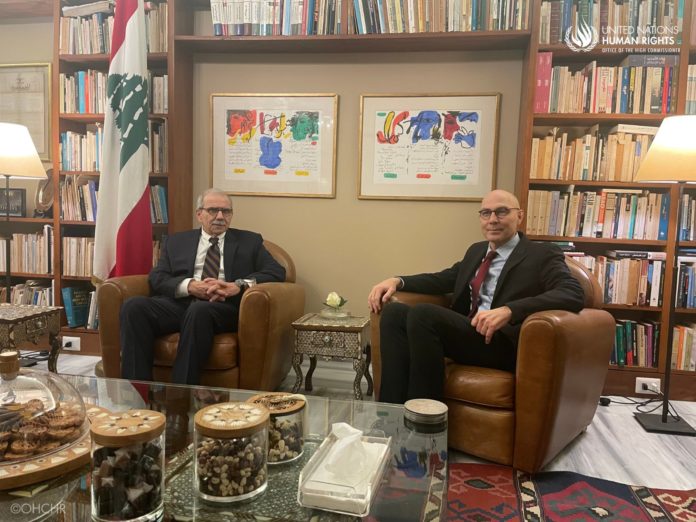
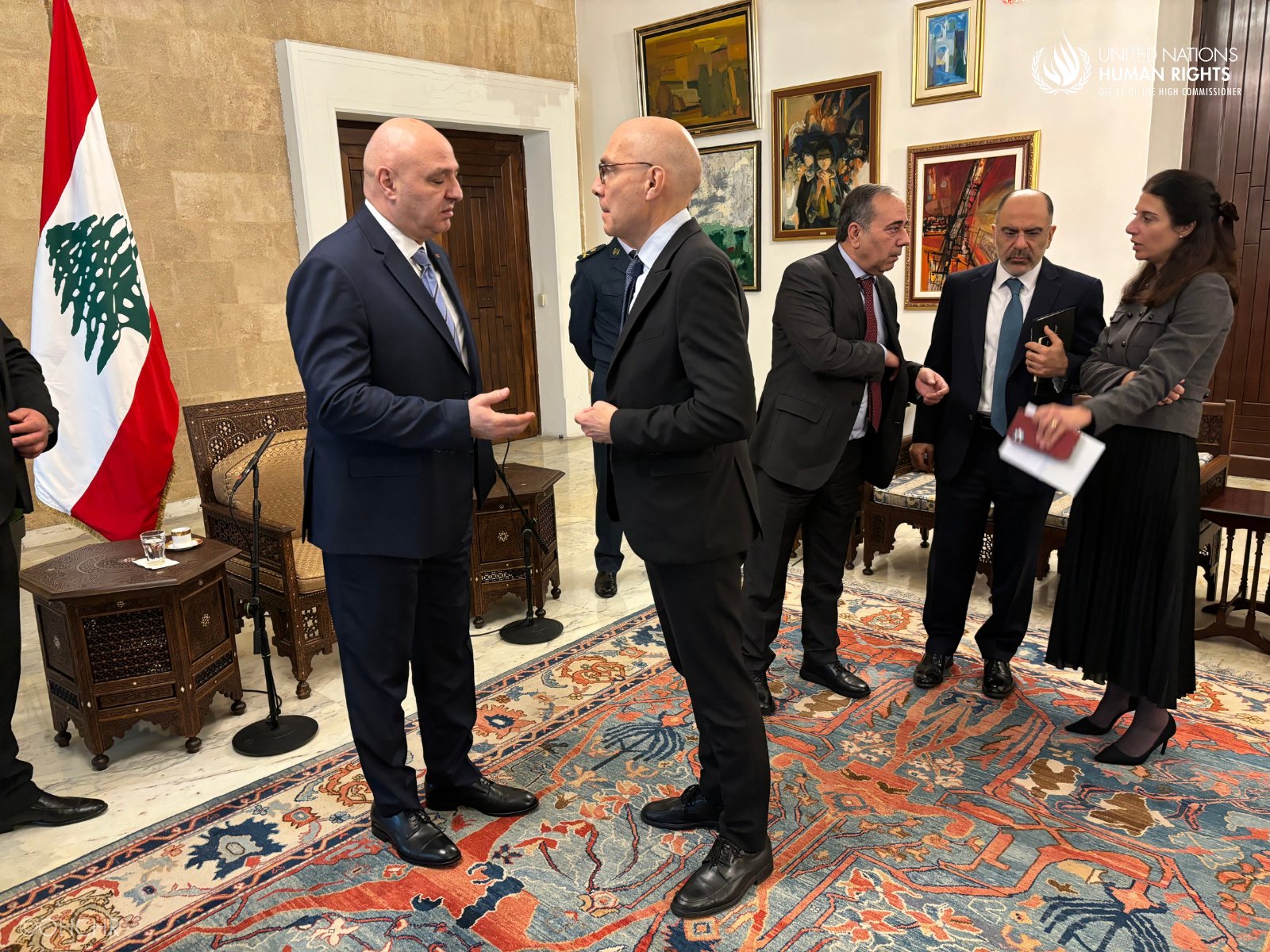
“I arrived, I have to say, with a heavy heart, given the compounded traumas over decades in both countries, but I see signs of new beginnings,” said Volker Türk – speaking in the Lebanese capital, Beirut.
On Wednesday, he was in Damascus for his first-ever visit to Syria, where he called for “urgent reconsideration” of sanctions following a constructive meeting with the head of the transitional authorities.
Hopes run high
Despite the immense challenges, he noted a sense of hope for Lebanon’s future. He highlighted the importance of the ongoing ceasefire between Lebanon and Israel, which continues to hold.
“The critically important ceasefire between Lebanon and Israel continues broadly to hold, albeit with worrying reports of continued demolitions by Israeli forces in towns and villages in southern Lebanon,” he remarked.
The recent election of a new President and Prime Minister in Lebanon has ended a two-year political stalemate, opening the door for much-needed reforms.
Time for reform and renewal
“With the election of this new leadership, there is momentum for political stability, economic recovery, and long-overdue implementation of critical reforms to address the multiple socio-economic crises and gaping inequalities facing Lebanon,” the High Commissioner emphasized.
Lebanon’s active civil society has underscored the need for full respect for freedom of expression and association, combating discrimination, improving participation and representation of women, guaranteeing full gender equality, recognizing and including people with disabilities, and ensuring human rights protections for the most marginalized and at risk.
“Respect for human rights requires specific and continuing investment in the rule of law,” he noted.
Reckoning with the past
The High Commissioner also called for a resumption of the independent investigation into the Beirut port explosion in August 2020, which killed over 218 people and rendered hundreds of thousands homeless.
“I repeat that those responsible for that tragedy must be held to account and offer the support of my office in this regard,” he stated.
Lebanon is currently experiencing one of the worst economic declines in modern history, with severe currency devaluation and triple-digit inflation affecting basic necessities.
According to the World Bank, 44 percent of the population lives below the poverty line, with 2.5 million people in need of food assistance. “There is a need for a renewal of the social contract that rebuilds the social fabric, that restores confidence in the institutions of the State,” the High Commissioner urged.
The recent months of fighting between Israeli forces and Hezbollah militants in the shadow of the Gaza war, have resulted in significant loss of life and displacement. More than 4,000 lives were reportedly lost, including over 1,100 women and children, and over 200 healthcare workers and journalists.
The ceasefire, which began in late November 2024, remains fragile but is holding despite violations.
“My office stands ready to strengthen our human rights work and to accompany the country as it moves forward,” the High Commissioner concluded, emphasizing the need for a durable peace and the safe return of civilians.
هذه المقالة متاحة أيضًا بـ:

