
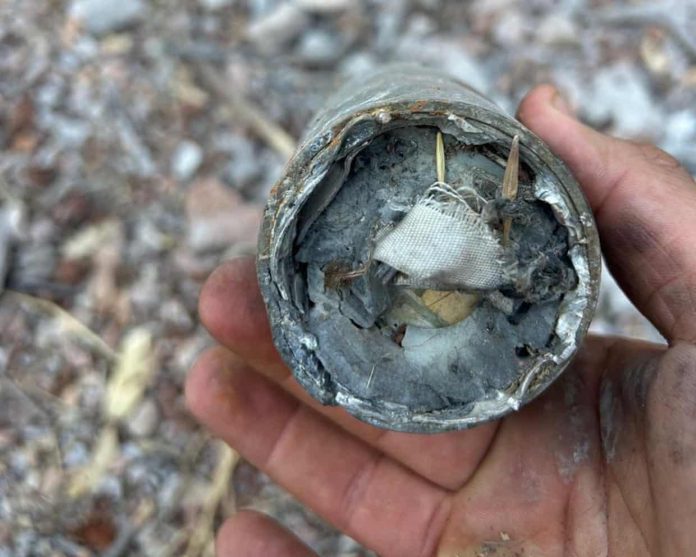
New photographic evidence published by The Guardian suggests that Israel used internationally banned cluster munitions during its recent 13-month war in Lebanon, marking the first known deployment of such weapons by Israel in nearly twenty years. The National Human Rights Commission, including the Committee for the Prevention of Torture (NHRC-CPT), is deeply concerned about the humanitarian and legal implications of these findings, especially given Lebanon’s long and painful legacy with unexploded cluster submunitions.
Images Verified by International Experts
According to the report by journalist William Christou, photos of munition remnants found south of the Litani River in Wadi Zibqin, Wadi Barghouz, and Wadi Deir Siryan were examined by six independent arms experts. Their analysis indicates the presence of two advanced Israeli-made cluster munitions:
155mm M999 Barak Eitan, produced in 2019
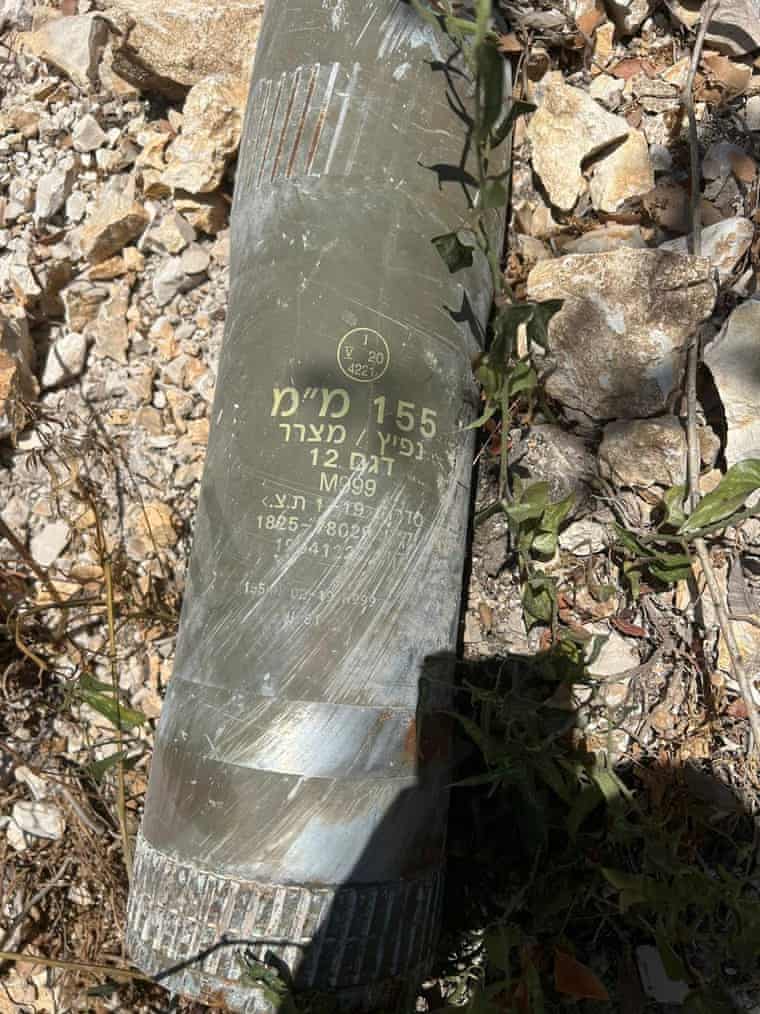
227mm Ra’am Eitan guided missile, developed in 2017
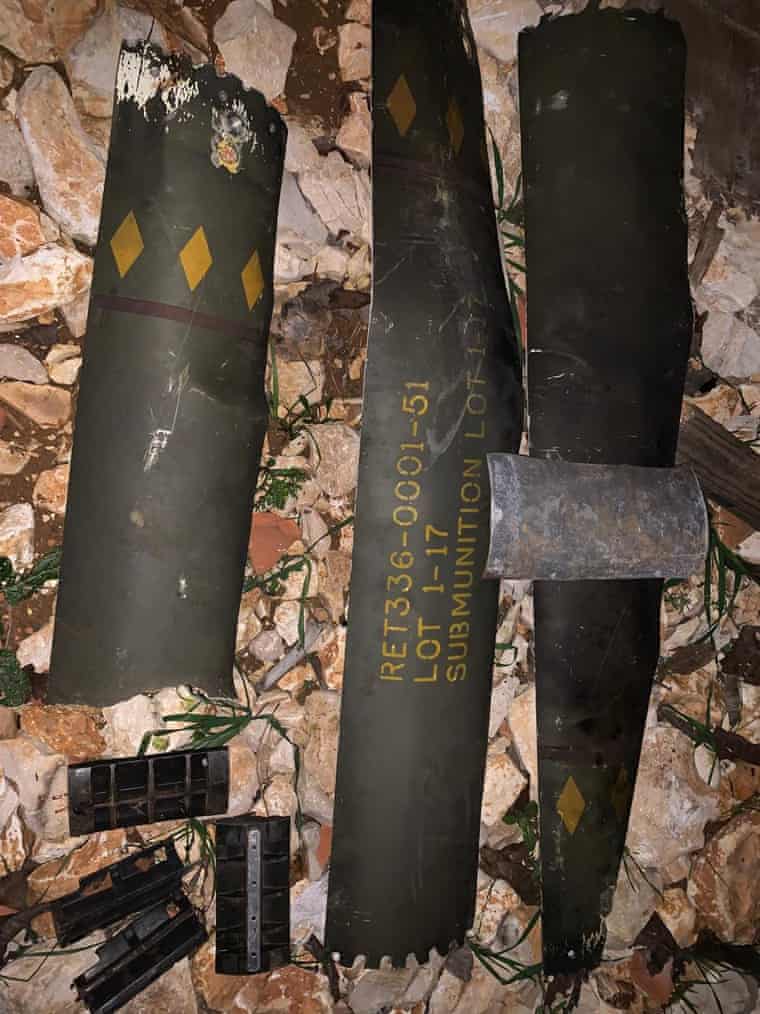
These weapons are designed to disperse dozens of bomblets across vast areas, sometimes the size of several football fields. The deployment of these models would represent Israel’s first known use of newly developed cluster munitions in Lebanon.
A Weapon That Continues Killing for Decades
Cluster munitions release hundreds of smaller submunitions that often fail to detonate on impact. Up to 40 percent of bomblets can remain active, posing long-term threats to civilians who encounter them years after hostilities end.
This threat is not theoretical. Lebanon’s experience with cluster munitions is deeply entrenched. During the final days of the 2006 war, Israel saturated southern Lebanon with approximately 4 million submunitions, of which an estimated 1 million failed to explode. Since then, more than 400 civilians have been killed by unexploded bomblets while farming, herding, or playing outdoors.
This devastating legacy was a key factor behind the adoption of the Convention on Cluster Munitions in 2008, signed today by 124 states. Israel, however, is not a party to the treaty.
Indiscriminate by Nature, Unlawful in Practice
Humanitarian and weapons experts were unanimous about the inherent dangers of cluster munitions. Tamar Gabelnick, Director of the Cluster Munition Coalition, emphasized that these weapons “cannot distinguish between military and civilian targets and kill and maim civilians for decades after use.”
Brian Castner of Amnesty International echoed these concerns, stating that there is “no way to employ them lawfully or responsibly, and civilians bear the brunt of the risk as these weapons stay deadly for decades to come.”
Industry claims that newer designs have lower failure rates have been repeatedly contradicted by field data. While the Ra’am Eitan missile is marketed as having a dud rate as low as 0.01 percent, previous Israeli cluster munitions used in Lebanon were advertised as nearly fail-safe, yet real-world analysis found dud rates closer to 10 percent.
A Troubling Double Standard
Despite refusing to join the cluster munitions convention, Israeli officials condemned Iran’s alleged use of similar weapons during a 12-day conflict earlier in 2025, criticizing Iran’s attempt “to maximise the scope of damage” against civilians. NHRC-CPT notes that humanitarian principles cannot be selectively applied, and indiscriminate attacks remain unlawful regardless of the perpetrator.
Lebanon’s Southern Communities Bear the Consequences
The recent remnants were found in forested valleys that Israel claims Hezbollah fighters had used for cover. However, these areas are also adjacent to agricultural communities, grazing lands, and rural villages that rely heavily on the land for survival.
Even if the weapons were aimed at combatants, their wide-area effect makes any use in such environments inherently indiscriminate. Under customary international humanitarian law, parties must avoid weapons whose effects cannot be limited to military targets.
NHRC-CPT Calls for Accountability and Protection
Given the evidence presented by The Guardian and the assessments of international munitions experts, NHRC-CPT underscores the urgent need for:
-
Independent investigations into all reported cluster munition use
-
Immediate clearance operations to protect local communities
-
International pressure on all parties to comply with humanitarian law
-
Full transparency regarding the types of weapons deployed in civilian environments
Lebanon has already paid a devastating price for cluster munitions. The prospect of new contamination in the south threatens to perpetuate cycles of harm for generations.
NHRC-CPT reaffirmed its commitment to documenting violations, supporting affected communities, and advocating for stronger protection measures to ensure that Lebanese civilians are not once again condemned to live among deadly remnants of war.
Cluster munitions
Cluster munitions are inherently indiscriminate weapons that inflict suffering for civilian populations years after their use, and are internationally banned by a treaty backed by more than 100 states.
Cluster munitions scatter hundreds of bomblets, or submunitions, over a wide area. It is estimated that between 5 and 20 per cent of cluster bomblets fail to explode. They are then left behind, posing a threat to civilians similar to that of anti-personnel landmines.
The use of these weapons violates the prohibition of indiscriminate attack because of the wide area covered by the numerous bomblets released, and the danger posed to all who come into contact with the unexploded munitions.
هذه المقالة متاحة أيضًا بـ:

