
Background
The Charter of Rights of Victims and Survivors of Torture and Other Cruel, Inhuman or Degrading Treatment or Punishment emerges as a landmark normative and advocacy framework grounded in the lived experiences of survivors worldwide. It was developed under the mandate of the United Nations Special Rapporteur on torture, Alice Jill Edwards, and presented to the United Nations Human Rights Council during its 61st session in 2026.
Unlike traditional legal instruments, the Charter is not merely a codification of existing rights, but a survivor-driven document that reflects firsthand testimonies, priorities, and demands. It is rooted in extensive global consultations, including regional hearings and over 120 submissions from survivors and organizations across diverse contexts.
We, the victims and survivors of torture and other cruel, inhuman or degrading treatment or punishment,
We are mothers and fathers, daughters and sons, grandparents, friends, and members of our communities.
We come from diverse regions and countries, from many races, nationalities, ethnicities, faiths, and beliefs. We hold different political opinions and speak many languages.
We represent all walks of life, across social classes, generations, sexes and genders, abilities and disabilities, and experiences, carrying both our strengths and our vulnerabilities.
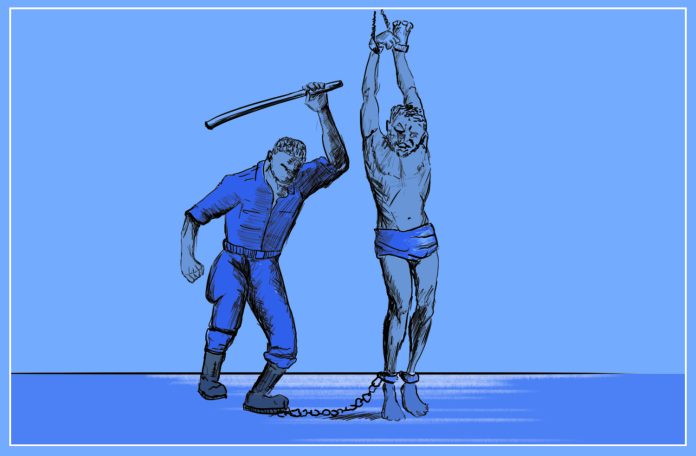
We are exhausted from being humiliated and stigmatized, beaten and left with visible and invisible wounds, sexually violated, and psychologically tormented because of who we are or what we represent.
We have lost pregnancies, fertility, and physical function. We have been left with temporary and permanent disabilities and chronic illnesses. We have been unlawfully detained, forcibly disappeared, and killed.
Our families have also suffered, waiting without answers, fighting for our lives and rights, and carrying the burden of our pain.
We are outraged that we have been subjected, by those in power, to the cruelest forms of mistreatment and crimes, in places of detention, during war and unrest, under authoritarian and oppressive regimes, in so-called wars on terror or drugs, in crowd control operations, while seeking safety as refugees or migrants, in situations of internal displacement and forced exile, and even in our homes, schools, and workplaces.
Our experiences are not isolated. Many of us have endured a lifetime of harassment, discrimination, and oppression, both before and after acts that can be legally classified as torture.
We have also suffered other grave violations of human rights and humanitarian law, including threats to our lives, enforced disappearances, arbitrary deprivation of liberty, unfair trials, hostage-taking, persecution, and genocide.
Our life paths have been shattered. We have lost years to pain and recovery, missed education and opportunities, and may never fully reclaim the lives we once envisioned.
We have endured physical, psychological, sexual, and reproductive torture, the ultimate abuse of power, which has fractured our ability to trust not only authorities but also those around us.
The long road we have walked in pursuit of justice, truth, reparation, and guarantees of non-repetition has too often led to silence and disappointment.
Too many of us have been branded as criminals or terrorists by those sworn to protect us. We have been threatened into silence, and when we have dared to speak, we have faced renewed persecution against ourselves and our families.
Our experiences will mark us for the rest of our lives, yet we remain here, standing, and continuing to fight for justice, for reparation, and for a world where no one else must endure what we have suffered. We demand accountability for perpetrators, and we envision societies grounded in dignity, the rule of law, and democracy.
No one understands the suffering caused by torture better than we do. We insist that this knowledge be respected by all those engaged in the global struggle to eradicate torture and ill-treatment.
United by our shared humanity and experiences, we demand the realization of our rights and the restoration of our dignity and futures through the following:
Article 1, Right to Live Free from Torture and Ill-Treatment
- We have the right to live free from torture and other cruel, inhuman or degrading treatment or punishment, and from all related violations of human rights and humanitarian law, including threats to life, extrajudicial and unlawful killings, enforced disappearances, arbitrary detention, unfair trials, hostage-taking, persecution, oppression, genocide, apartheid, and systemic discrimination that destroys families and communities.
- States must end these crimes in law and practice and take concrete measures to ensure that they never recur.
Article 2, Right to Truth and Accountability
- States must publicly acknowledge the truth about what has been done to us and our loved ones, assume responsibility for acts of torture and related abuses, disclose the full facts, and ensure that those responsible, including those who ordered or enabled such acts, are brought to justice.
- Non-State actors, including armed groups, terrorist organizations, organized criminal networks, and other violent actors, must also be held accountable through fair proceedings before independent courts.
Article 3, Right to Participation and Leadership
- We have the right to fully participate, as stakeholders and leaders, in all efforts addressing torture and ill-treatment.
- This right applies across all actors engaged in the fight against torture, including States, national human rights institutions, national preventive mechanisms, the United Nations, regional organizations, and civil society.
- This includes:
(a) Engaging victims and survivors as equal partners at all stages of policymaking and implementation
(b) Formalizing survivor participation in national anti-torture efforts
(c) Ensuring inclusive participation of women, children, minorities, Indigenous Peoples, and persons with disabilities
(d) Providing direct funding to survivor-led initiatives
(e) Recognizing survivors’ lived experience as essential expertise
Article 4, Right to a Victim- and Survivor-Centred Approach
- We have the right to be treated with dignity, with full respect for our humanity and autonomy.
- This requires:
(a) Safe, confidential, and accessible spaces to share our experiences
(b) Clear and timely information on cases and reparation processes
(c) Access to medical, psychosocial, and legal support services
(d) The ability to shape reparation measures
(e) Addressing structural inequalities linked to torture
(f) Strong coordination and follow-up by authorities
Article 5, Right to Justice
- We have the right to equal, accessible, and effective justice without discrimination.
- States must:
(a) Criminalize torture without limitation or immunity
(b) Protect victims, families, and witnesses from retaliation
(c) Ensure prompt, impartial, and independent investigations
(d) Guarantee judicial independence
(e) Provide free legal assistance
(f) Ensure trauma-informed and respectful interviewing
(g) Respect gender and cultural sensitivities
(h) Remove barriers to reporting sexual and gender-based torture
(i) Impose penalties reflecting the gravity of the crime
(j) Implement all judicial decisions without delay
Article 6, Right to Reparation and Rehabilitation
- Victims and their families have the right to full and effective reparation.
- Reparation must:
(a) Address individual and collective harm
(b) Include restitution, compensation, rehabilitation, satisfaction, and guarantees of non-repetition
(c) Acknowledge wrongdoing
(d) Remove barriers to access
(e) Ensure comprehensive healthcare
(f) Provide trauma-informed rehabilitation
(g) Not depend on criminal conviction
(h) Address socioeconomic impacts
(i) Support survivor networks
(j) Ensure State responsibility for funding and access
(k) Guarantee timely implementation of decisions
- Reparation must restore what torture sought to erase, dignity, agency, and the right to live without fear.
Article 7, Right to International Solidarity and Cooperation
- We have the right to live in a world free from torture.
- States must:
(a) Ratify and implement relevant international treaties
(b) Apply international standards and best practices
(c) Cooperate fully with United Nations mechanisms and bodies
(d) Allow independent monitoring of places of detention
- A single act of torture against one person is an attack on the humanity of all.
Final Declaration, Our Resolve and Commitment
We, the victims and survivors of torture and other inhumane acts, speak with one voice.
Our pain has too often been silenced, denied, and forgotten. Through this Charter, we reclaim our truth and our place in the world.
We stand together to demand justice, recognition, and reparation, not as charity, but as a right.
We call upon States, institutions, and all people of conscience to join us in ending torture in all its forms, everywhere.
We will continue to tell our stories, support one another, and transform our suffering into strength.
We will honour those who did not survive by ensuring that no one else endures what we have suffered.
Our voices will not be taken from us again.
هذه المقالة متاحة أيضًا بـ:

