
2026
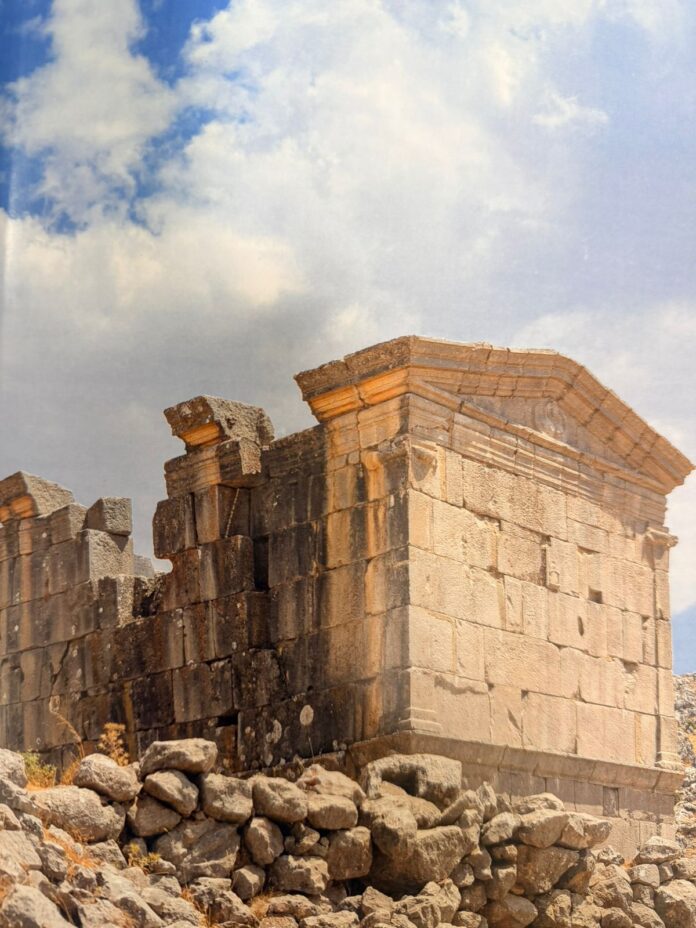
- Hermel Pyramid
- Beit Beirut Museum and Cultural Centre
- Depot Tahwita
- Lebanese National Library
- Bakka Temple
- Dakwe Archaeological Site
- Deir El-Achayer Temple
- Hammara Archaeological Site
- Kamed El-Loz Archaeological Tell
- Nebi Safa Archaeological Site
- Niha Archaeological Site
- Chhim Archaeological Site
- Arqa Archaeological Site
- Felicium Castle and Monastery of Our Lady of the Fortress
- Maqam El-Rab Temple
- Megalithic Tombs of Menjez
- Hasbaya Shehabi Serail
- Qabr Hiram Archaeological Monument
- Qana Cave Archaeological Site
- Shawakeer Archaeological Tell
- The Historic Centre of Saida: Audi Soap Museum
- The Historic Centre of Saida: Debbane Palace, Sacy Palace and Khan Sacy Cluster
- The Historic Centre of Saida: El-Kikhia Mosque Cluster
- The Historic Centre of Saida: El-Omari Great Mosque
- The Historic Centre of Saida: Hammam El-Ward
- The Historic Centre of Saida: Khan El-Franj and Terra Santa Convent Cluster
- The Historic Centre of Saida: Khan El–Qeshleh
- The Historic Centre of Saida: Saint Nicholas Church
- Barsbay Tower
- Tripoli: El-Burtassi Mosque
- Tripoli: El-Mansouri Mosque Cluster
- Tripoli: El-Tawba Mosque
- Tripoli: The Mamluk Madrassas Cluster
- Tripoli: Hammam El-Jadid Cluster
- Tripoli: Hammam Ezzedine Cluster
- Tripoli: Khan El-Askar Cluster
- Tripoli: Khan El-Saboun Cluster
- Tripoli: Souk Haraj
- Tripoli: Taynal Mosque
On 18 November 2024, at the request of the Lebanese authorities, UNESCO convened an extraordinary session of the Committee for the Protection of Cultural Property in the Event of Armed Conflict. This was held on Monday at the Organization’s headquarters in Paris. It resulted in the provisional inclusion of 34 Lebanese cultural properties on the International List of Cultural Property under Enhanced Protection, including the World Heritage sites of Baalbek and Tyre, near to which strikes have recently been recorded.
2024
- Adlun archaeological site
- Afqa archaeological site
- Ain Herche temple and Archaeological site
- Anjar archaeological site
- Baalbek archaeological sites
- Beiteddine Palace
- Byblos
- Chama’ Citadel
- Dakerman archaeological site
- Dubieh Castle – Chakra
- Hibarieh Temple
- Hosn Niha temple
- Jeb Jennine Roman Bridge
- Jiyeh – Porphyreon archaeological site
- Kaifun fort
- Kharayeb archaeological sites
- Majdel Anjar Temple
- Nahlé Temple
- Nahr el-Kalb archaeological Site
- Oum el‘Amed archaeological site
- Qalaat Al-Chakif – Beaufort Castle
- Qalaat Deir Kifa (Maron Castle)
- Qalaat Tibnin (Toron Castle)
- Qasarnaba Temple
- Rachid Karami International Fair-Tripoli
- Ras Al Ain Basins and Built Heritage
- Sarepta archaeological site
- Sidon’s archaeological sites
- Spring of Ain el Jobb archaeological site (Temnine el Faouqa)
- Tell el-Burak archaeological site
- The sanctuary of Eshmun
- Tyre archaeological sites
- National Museum of Beirut
- Nicolas Ibrahim Sursock Museum
Advantages
Cultural property inscribed on the International List of Cultural Property under Enhanced Protection benefits from high level immunity from military attacks as well as threats of making it a military target. Criminal sanctions may apply in cases where individuals do not respect the enhanced protection granted to a cultural property.
Enhanced Protection Emblem

This distinctive emblem was established to mark and to facilitate the recognition and identification of cultural property under enhanced protection, particularly during the conduct of hostilities.
It ensures the effectiveness of the provisions of the 1999 Second Protocol and, more particularly, the “immunity of cultural property under enhanced protection” (Article 12 of the 1999 Second Protocol). This emblem will be installed on the cultural property which is inscribed on the International List of Cultural Property under Enhanced Protection.
Enhanced Protection Emblem
Eligibility for Enhanced Protection
Any cultural property as defined in Article 1 of the 1954 Hague Convention for the Protection of Cultural Property in the Event of Armed Conflict is eligible for enhanced protection, provided that it meets the three following conditions:
- The cultural property must be of the greatest importance for humanity;
- The cultural property must beprotected by adequate domestic legal and administrative measures recognizing its exceptional cultural and historic value and ensuring the highest level of protection;
- The cultural property must not be used for military purposes or to shield military sites.
هذه المقالة متاحة أيضًا بـ:

