
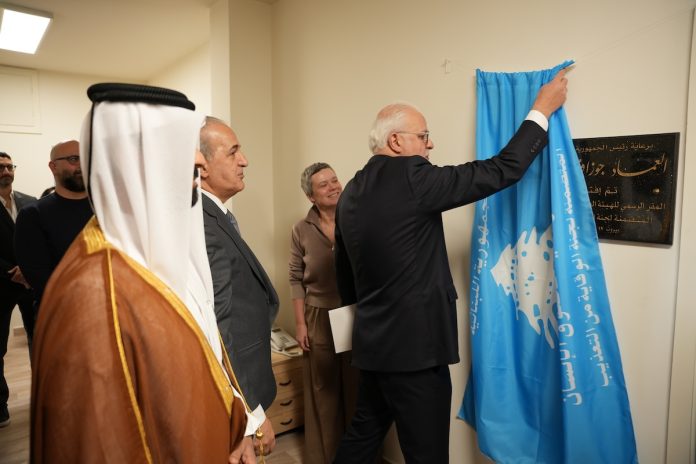
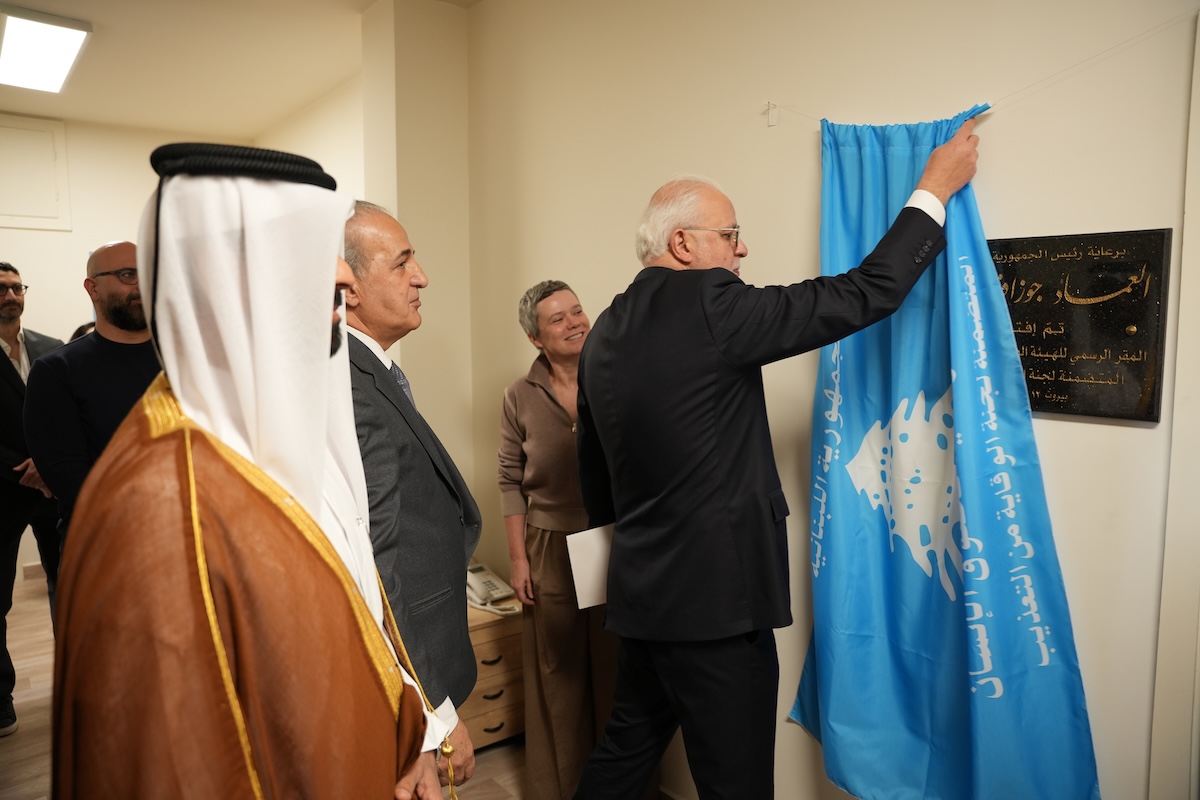
Under the patronage of the President of the Lebanese Republic, General Joseph Aoun, represented by the Minister of Justice, Mr. Adel Nassar, the official headquarters of the National Human Rights Commission, including the Committee for the Prevention of Torture, was inaugurated this morning at the Sarhal Building, first floor, Sami Solh Boulevard, Beirut.
The inauguration ceremony was attended by a number of official, diplomatic, and human rights figures, most notably: Minister of Justice Adel Nassar; Sultan bin Hassan Al-Jamali, Secretary-General of the Arab Network of National Human Rights Institutions, heading a delegation from the Network and the National Human Rights Committee of Qatar; MP Dr. Michel Moussa, Chair of the Parliamentary Human Rights Committee; Judge Mirna Klass, representing the Public Prosecutor’s Office of Cassation; Sandra De Waele, Head of the European Union Delegation to Lebanon; Mazen Shkoura, Regional Representative of the Office of the High Commissioner for Human Rights; Mr. Nino Karmoun, Head of Technical Advisors at the United Nations Development Programme; Judge Tarek Abou Nassar, representing the Supreme Judicial Council; Judge Joseph Samaha, President of the National Commission for the Missing and Forcibly Disappeared; Dr. Ali Badran, member of the National Anti-Corruption Commission; in addition to representatives of the diplomatic corps, UN agencies, human rights institutions, and civil society organizations.
Inauguration Programme
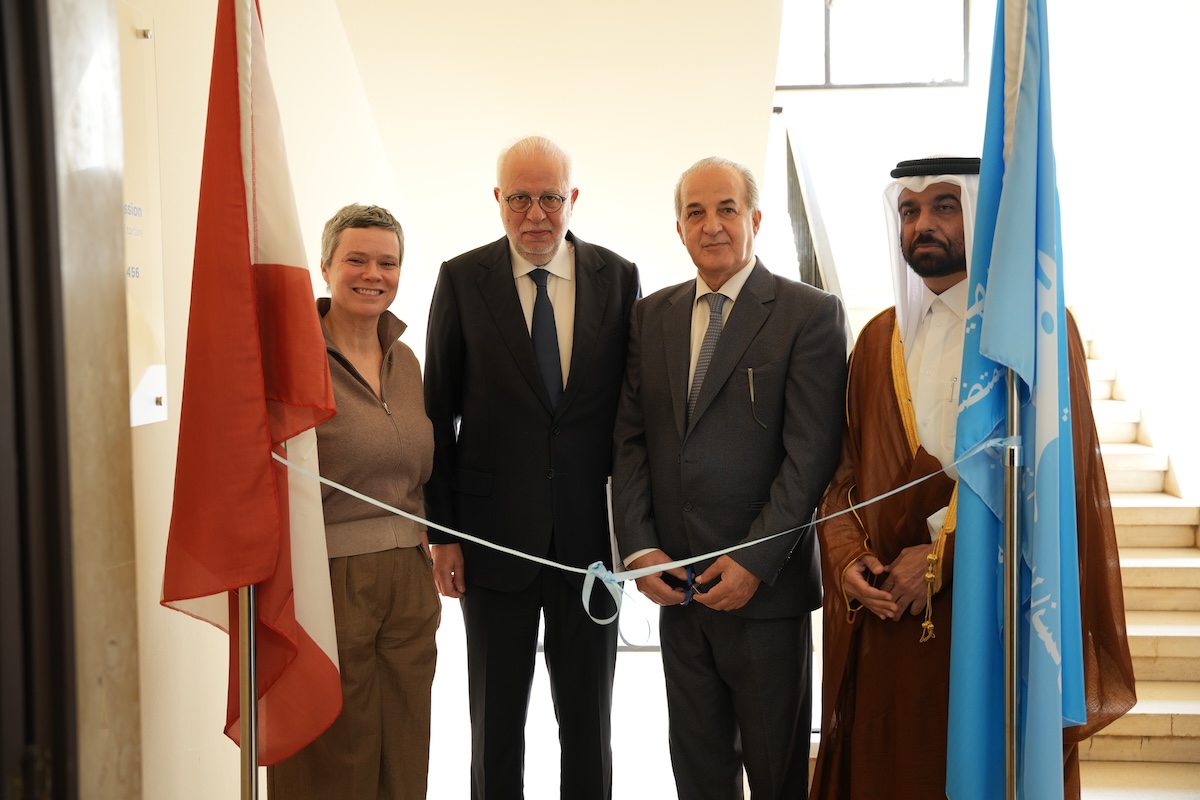
The ceremony began with the cutting of the ribbon at the entrance of the headquarters and the playing of the Lebanese national anthem. This was followed by a speech by the Commissioner for International Relations and Media at the Commission, Mr. Bassam Al-Kantar, who emphasized the symbolic and practical significance of the event, considering the opening of the headquarters a pivotal milestone in strengthening the Commission’s role as an independent and effective national institution.
He explained that “this headquarters we inaugurate today is not merely an administrative space, but a symbol of the Lebanese State’s commitment to protecting rights and freedoms, and an embodiment of the legislature’s will to establish an institution that serves as an ombudsman, a national reference for receiving and following up on complaints of violations, and for implementing Lebanon’s international obligations, particularly those arising from the Optional Protocol to the Convention against Torture.”
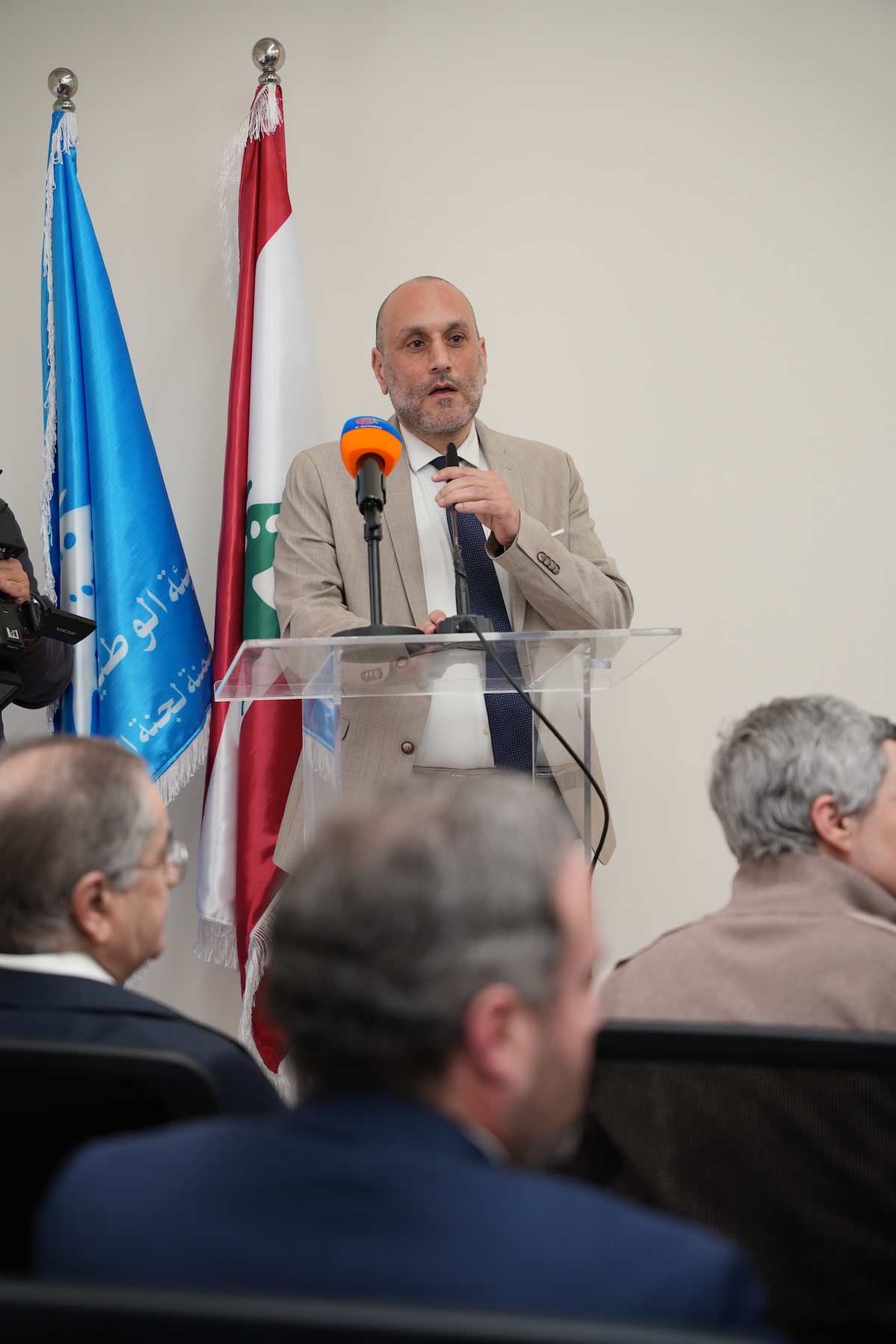
He noted that the inclusion of the National Committee for the Prevention of Torture within the Commission’s law reflects advanced legislative awareness of the importance of prevention, rather than merely addressing violations after they occur. He also pointed out that the opening coincides with preparations for Lebanon’s participation in the General Assembly of the Global Alliance of National Human Rights Institutions, expressing hope that the Commission’s membership application will be placed on the agenda, paving the way for obtaining “A” status, thereby strengthening Lebanon’s human rights standing regionally and internationally.
Address by the Chair of the Commission
The Chair of the National Human Rights Commission, including the Committee for the Prevention of Torture, Dr. Fadi Gerges, delivered a speech in which he affirmed that the patronage of the President of the Republic sends a clear message in support of the Commission’s independence and institutional role.
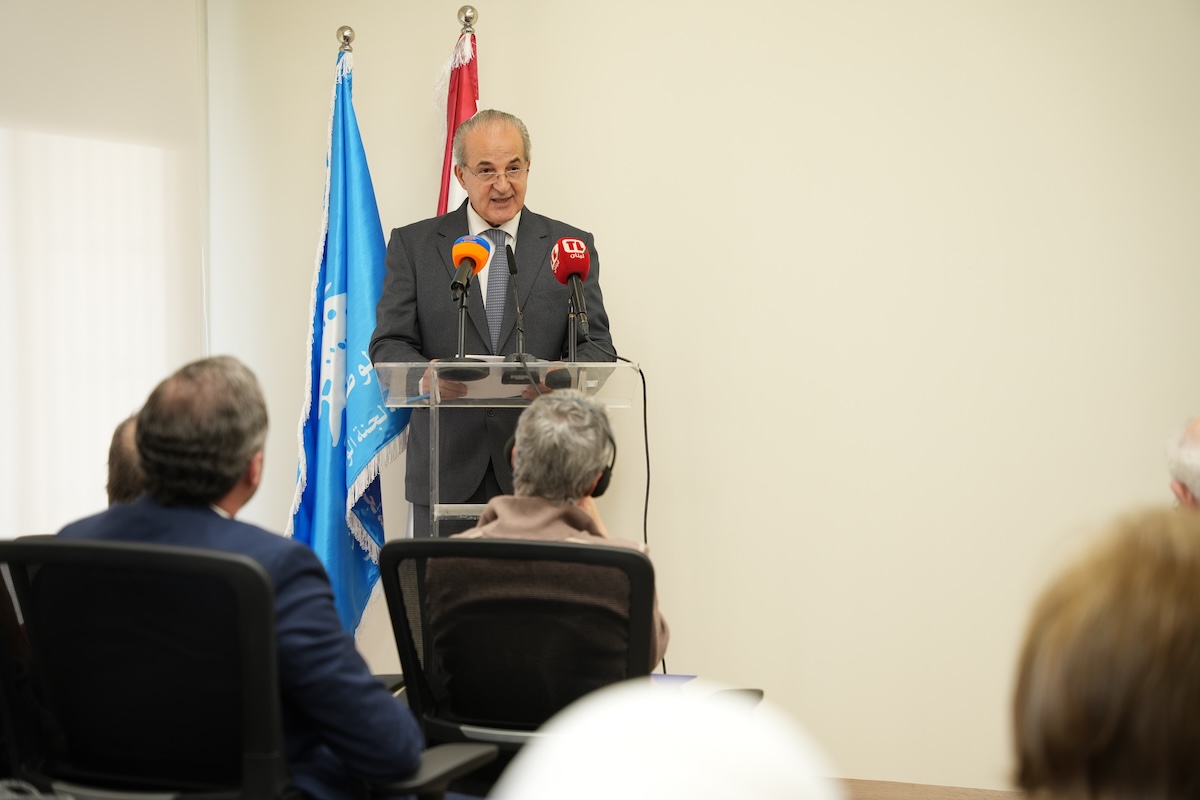
He stated that the inauguration represents a practical translation of the Lebanese State’s commitment to the Constitution and to the Paris Principles governing the work of independent national institutions, stressing the Commission’s role in monitoring, evaluation, awareness-raising, and accompanying public policies from a human rights perspective.
He also reaffirmed the Commission’s commitment, through the Committee for the Prevention of Torture, to protecting persons deprived of their liberty, combating torture and ill-treatment, and promoting responsible cooperation with the competent authorities.
Dr. Gerges highlighted the importance of adopting, as soon as possible, the decree on allowances for the Chair and members of the Commission, given its essential role in enhancing independence and ensuring the sustainability of its work. He also announced preparations to launch the strategic roadmap for 2026–2027, based on six priority pillars, supported by a monitoring, evaluation, accountability, and learning system.
In closing, he thanked all partners and supporters, in particular the National Human Rights Committee of the State of Qatar, the Arab Network of National Human Rights Institutions, the Government of Canada, the European Union, and United Nations bodies, especially UNDP and the Office of the High Commissioner for Human Rights.
Address by the Minister of Justice
Minister of Justice Adel Nassar, as patron of the event, delivered a speech in which he affirmed that the opening of the headquarters confirms that human rights are the foundation of justice and the source of state legitimacy.
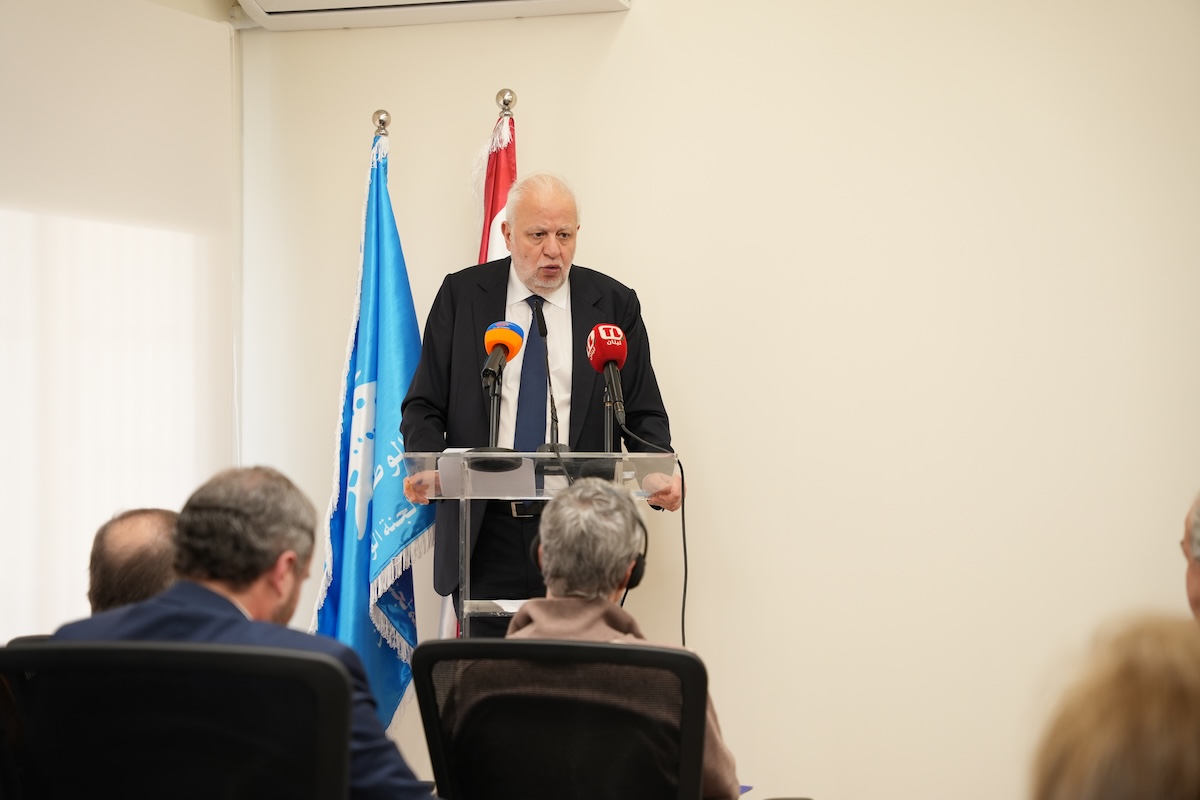
He stressed that the Commission is a key partner in developing public policies, monitoring challenges, and promoting a culture of rights and human dignity, noting the State’s commitment to protecting freedom of expression, children’s rights, combating human trafficking, and strengthening judicial independence.
He also reviewed measures taken to improve the administration of justice, reduce prison overcrowding, ensure fair trials, reactivate the Judicial Studies Institute, and entrench a human rights culture within the judiciary.
The Minister reaffirmed his personal commitment, and that of the Ministry of Justice, to providing the legal and institutional conditions enabling the Commission to perform its duties effectively and independently, noting the approval of the Commission’s internal and financial regulations by the Council of Ministers.
He concluded by emphasizing that this headquarters will be a genuine working space, a platform for truth, and an effective tool in the service of human dignity in Lebanon.
هذه المقالة متاحة أيضًا بـ:

